Even though the economy appears to be improving, corporate hiring is not reflecting it and we are all challenged to do more with less. That’s bad enough, but new things keep getting put on the “stack of stuff” you need to do.
Content Overload! It’s not just in the everyday workload of getting stuff done, but in all the new options of delivering your great content that needs to be reviewed to see if it’s appropriate for your audiences.
Here are a few things I do that might help you cope with all your marketing challenges.
Prioritize – You and your team can only do so much. Focus on the things that will get short-term results.
Focus on your USP – Focus on delivering your unique selling proposition to your target audience, whether it’s current customers or potentials.
Focus on your target audience – Have you ever asked your customers how they preferred, not only to be contacted by you, but how they get new info? This certainly will help you focus on those avenues.
Be realistic with expectations – Don’t over promise and under deliver. Better to do less, but do it right.
Be consistent – In both messaging and points of contact.
ROI – Monitor what you’re doing so you can focus on what’s working and what is bringing in results.
Hopefully these will give you some insight. What are you doing to deal with the overload?
My grandkids went back to school last month, and after having a very active summer, I asked them if they were looking forward to going back to school. They both agreed that they were, and when I asked why, some of the answers surprised me.
I expected to hear that they were looking forward to seeing old friends that they had not stayed in touch with over the summer. They were a bit apprehensive about meeting their new teachers and what the next grade had in store for them. But at the same time they were looking forward to learning something new.
I thought that their insights could be useful for all of us in business as teachable moments.
Going back to see old friends – When was the last time you called up a long-standing customer you haven’t talked to for some time to see how they are doing and thank them for their business?
Apprehension on meeting new people – What are your new challenges? Is it calling on some new key potentials or joining a professional group that would help improve your job skills?
New challenges – What are your goals to learn something new? Get active in a LinkedIn group, take an online course or go to a seminar that will help you do your job better.
I guess the key, to me, is we should never stop learning.
I know with all the things in both our personal, as well as professional lives, it’s sometimes hard, but I think we need to step back occasionally and re-evaluate what we’re doing.
Awhile back, we presented a webinar on social media for industrial manufacturers. Many in our clients’ industries wonder if social media is worth their time, and we typically say yes.
Social media is a broad and sometimes intimidating part of marketing. To simplify it just a little, we focus on the four areas where we see manufacturers receiving the greatest value:
We all have a list of customers’ emails in some assemblage of order. What are you doing with them? Let’s not assume just because someone is currently buying from you that they will continue to do so. You need to continue to reinforce why they should do business with you and it doesn’t have to be a sell piece. Give them something of value that they can use in their business. A quick installation tip. A calculator link to help them figure out how much product they need.
Besides the emails you already have from current, past and future customers, what are you doing with all the leads you’re getting from digital sources?
Digital media is a great way to build on to your existing database list and start nurturing them along your selling cycle. By using an email marketing tool, you can build silos by market or by where they are in the buying cycle so you can tailor messaging to each.
Here are a few tips in developing your lists:
Get their permission – send them an email that you’d like to keep them on a list to send out valuable info on a regular basis that would help them.
Ask questions – when sending out the initial request, give them options of things that might interest them, i.e., markets, product or applications that they would find useful.
Get them engaged – invite them to a webinar or send them a how-to video or an e-book if you have one.
Stay on topic – focus on what you do. You’re trying to build brand awareness and credibility.
Respect their time – experts say you shouldn’t send more than 2-3 emails a month. My recommendation is start with 1.
Monitor who’s reading them – by using an email marketing tool, you can see who opened and read your message. If they’re regulars, you may want to pass them on to the sales force as a soft lead for them to reach out to.
By developing a list and starting communication with them, you’ll be able to see response rates increase and hopefully sales as well.
With all the content marketing and social media options that are out there, where does a manufacturer start to ensure their brand gets noticed? What are you doing to build both your brand and your social media strategy?
Focus on one brand – This is especially true for smaller manufacturers with limited resources. You can’t be promoting both the company and a branded product line. Go with promoting the company. Use the same logo and description in all media channels.
Consistent messaging – Keep the message the same across all channels. Stick with the basics – who you are, what’s the product and why should I care?
Not all brands are equal – Depending on who you are and the audience you’re trying to reach, you don’t have to cover all the social media options. Cover the ones where your customers frequent the most.
Big picture – If you are in a bigger company with multiple people managing different silos, there needs to be someone overseeing the BIG picture.
Bigger is not always better – Don’t worry about the number of followers; be more concerned that they are the right ones. If they are, they will share your content with their peers.
Manage your content – Watch what engages your audience and give them more of the same.
These are just some of the things that will help you grow your brand.
Welcome to Big D — Dallas, Texas! They say everything is bigger in Texas. And that includes the fun. To help you with that, we’ve put together the Sonnhalter Insider’s Guide to Dallas. It’s our way of cutting through the clutter to let you know about the city’s biggest, bestest restaurants, shows and sights. We asked some of our Dallas pals for their recommendations on where to sample some of the local cuisine — and not just barbecue and Tex-Mex either. (’Cause “Big D” can also stand for “Delicious.”) We wanted those secret locales that only the locals know about. After all, at Sonnhalter, we not only like to get our hands dirty…we like to get them nice ‘n’ greasy too!
When you’re not convening at the Convention Center, make sure you get to see the sights in Dallas. And remember, some of the area’s attractions are in nearby Arlington and Fort Worth (which are closer than the length of some Texas ranches). Enjoy your stay in the Lone Star state!
The city of Boston (pronounced “Baahhs-ton” by Bostonians) has plenty to offer in terms of food and fun. But where do you begin? That’s where the Sonnhalter Insider’s Guide to Boston comes in. It’s our way of helping you cut through the clutter to find the city’s best restaurants, nightlife and sights. We asked some of our Boston friends for their recommendations on the best places to chow down on chowder without spending a lot of clams. (You know, those secret locales that only the locals know about.)
Because at Sonnhalter, we not only like to get our hands dirty…we also like to get our lobster bibs messy. So, when you’re not convening at the convention center during the NECA Show, take some time to enjoy a real taste of Beantown.
The 30th edition of IMTS (The International Manufacturing Technology Show) 2014 was the fourth largest IMTS in history and the largest six-day show ever with registration of 114,147 representing 112 countries. [Read the Press Release Here]
I was able to attend IMTS two days last week and the one main impression that I walked away with is that IMTS is a huge show. Although I made a point to visit all four halls at McCormick Place in Chicago (North, South, East and West), I regret that I could not see it all. I spent most of my time with one of Sonnhalter’s clients in the North hall and kept busy most of the time.
IMTS takes place every two years and the 2014 show stats are impressive:
2014 registration was 13.9% higher than 2012
2,035 companies exhibited
Exhibits covered 1.282 square feet
17,767 students, educators, administrators and parent chaperones (double the 2012 numbers)
I had the opportunity to talk with exhibitors, attendees and media at the show and all of them had similar comments on IMTS being an impressive and very positive show. Here were some of my personal highlights from the show:
Every client booth that I visited was busy and their teams reported gathering quality leads
There were a lot of students who visited the show and they asked excellent questions at the booths such as, “What does your company do?” “How does this machine work?” “Where would I see your products in my everyday life?” and many more. The exhibitors were more than happy to answer their questions.
Manufacturing growth and technology advances were evident everywhere I turned, from the world’s first 3D-printed car [more on that here] to highly advanced machines and robotics and many other areas that I’m excited to learn more about.
Having an Insider’s Guide to a trade show city is incredibly helpful. It can be intimidating to find a place to have dinner or grab a drink when a city, like Chicago, has so many options. The Insider’s Guide to Chicago definitely helped many IMTS attendees find some great places.
Did you attend IMTS this year? What were the highlights of the show for you? Will you be at IMTS 2016?
For those who follow me on a regular basis, you know I’m a big supporter of blogs. It seems that most companies now are at least considering doing a blog.
Here are a few good reasons you should consider a blog for your company:
Websites are mostly static – Once a contractor has been to your website, why does he need to go back? He knows who you are and what you do. If you don’t get him to follow you on an RSS feed or fill out a form to be on a mailing list, you basically have lost most visitors.
Thought leadership – One of the main objectives of a blog is to set you and your company apart. What better way to increase your brand awareness and generate new leads?
Keep your customers/prospects coming back – When you publish new content on a regular basis, customers and prospects keep coming back. It also allows for interactions with both categories.
Re-purpose content – You can take a current post and use it on Facebook, Twitter and LinkedIn to gain additional exposure.
Blogs can provide additional in-links – Once you establish yourself as a thought leader in a category, others will begin to link back to you and this will alert search engines that you must be saying something important.
Blogging is a collaborative process. You need and want to interact with your audience.
Here a few tips on writing a good post:
You need a catchy title – Like anything else, if you can’t spark an interest, folks won’t click on to read your words of wisdom.
Know your audience – Know what issues are affecting them on a regular basis.
Have an opinion – People follow you because you give them a unique insight. Set yourself apart.
Be yourself – Let your personality shine through. Write like you talk. Inject some humor when appropriate.
Engage your readers – Ask for opinions, or if the subject matter is somewhat controversial, ask for a counter viewpoint.
Blogs are a lot of work, but if done properly, can set yourself apart in your market and ultimately get you new customers.
Let’s face it, we’re all in this for the same reason.To talk with people who share the same interest and could possibly be or refer us a new client.
So in order to get them to give up their email, we better come up with some interesting and helpful stuff that will make them want to be in our book for future gems. It’s not only what you have to say, but how you say it. Beyond being potential customers, these contacts can be your best friend by sharing it with their peer group.
I recently read a blog post by Ramsay Taplin in Copyblogger, 5 Subtle Writing Strategies That Drive Email Signups that I thought had value for the B-to-B community. While all may not be applicable to your world, he raises some good tips for us to consider:
Use time-sensitive language – people are afraid to miss out on something. An example, for a webinar, space is limited, sign up now.
Standing out from the crowd – tell unusual stories to get your point across. This is especially true when talking about more technical or drier topics. Add a personal touch or a little humor. Everyone loves a laugh.
Include social proof – demonstrate that they won’t be the first. Put up comments from other subscribers as to what they are getting out of it.
Develop and test different landing pages – Yes, you will ultimately end up with the names, but how you might ask for them will bring different results.
Write for people and search engines – Yes, your message is ultimately for people, but search engines help spread the word to others looking for similar information.
Thanks to all that supported Sonnhalter’s 5th Annual Tool Drive to benefit Habitat for Humanity.
We recently completed our fifth annual Sonnhalter Tool Drive to benefit Habitat for Humanity. Thanks to everyone’s generous support, we received more than $35,000 in tools and building supplies. Since Sonnhalter began its efforts in 2010, it has collected more than $141,000 in donations.
We thought we’d share some highlights.
Organizing the donations that arrived at our offices to fit in the Habitat for Humanity truck on collection day.
Trade industry participants included Contractor Magazine, Council Tool Company, Gerber Plumbing, KNIPEX Tools LP, Lakeside Supply, Osborn, RIDGID, Samsel Supply, Sutton Industrial Hardware, WD40 Company, Welch Packaging, Wolff Bros. Supply, Woodhill Supply and Work Area Protection Corporation.
Work Area Protection’s donation of traffic cones.
Gerber’s donations of plumbing fixtures.
Loading the RIDGID donation during the round-up.
Community participants included the Berea Recreation Center, Café Ah-Roma, Cuyahoga County Public Library-Berea Branch, Edward Jones Investments, Perk-CUP! Café, St. Mary’s Church of Berea, St. Mary’s of the Falls, Sylvester’s Auto and Light Truck Service, Tony K’s Bar & Grille and many community members.
Pick up from one of our community drop-off locations at Perk-Cup Café.
Round-up stop at community drop-off location Berea Branch, Cuyahoga County Library.
It was a huge success and we are very thankful for the generosity of everyone that helped!
Sonnhalter employees are not afraid to get their hands dirty during the tool round-up.
Click here to read more about the Sonnhalter Fifth Annual Tool Drive.
There are all kinds of buzz words out there—integrated marketing, 360 degree marketing, etc. They all have the same goal in mind, and that is to take your marketing message and share it across all methods of communication. Place your customer in the center of your efforts and then deliver your information in various ways so they can get it in the format they prefer.
Heidi Cohen had an interesting post recently, 360 Degree Social Media Marketing, where she shared 37 different tactics that you can use.
Here are some highlights that manufacturers should consider:
Be consistent – Develop content on a regular basis so you can start to build a relationship.
Selective use of social media – Use the appropriate media to get in front of your prospects. Make sure you use photos and videos in making your points.
Utilize customer service – they are talking to customers all the time. Create a FAQ segment to share. Give your customers options on ways to contact you other than on social.
Collect customer feedback and input for research purposes. Hear firsthand their compliments and complaints on your products/services.
Utilize social in your PR efforts – We all have brand advocates. Work with them to help build your visibility. Start a blog to establish thought leadership.
I cringe when I hear someone say that phrase. Past actions will not ensure future success. Manufacturers who have this mindset are missing out on many opportunities. You literally need to think outside the box.
In today’s market, there are so many other options to consider. Some may not be appropriate for you, but you have to evaluate and pick the ones that might be useful for you. One basic change we all need to make is change how we reach out to potentials. If you’re trying to sell features/benefits to a prospect, you’re going to be disappointed.
Here are some tips to consider:
Take a different approach – Instead of talking about you, help your customer solve a problem. Always answer the question from your customer’s perspective of “What’s in it for me?”
Friendly website – If you count on your website as a way of selling your brand, come at it from a customer’s perspective and make sure that your site is responsive (have different versions for smart phones and tablets). Make it easy to find what they are looking for.
Limited social media – Most manufacturers don’t need to utilize all the options that are available to you. You should focus on those areas that will bring you the most bang for the time you have. You already may have existing things like how-to videos (YouTube) or Power Point presentations (SlideShare) on the best way to solve a particular problem. If you’re in specific market segments, join and participate in the conversations (LinkedIn). If you have the resources, starting a blog would be an ideal way of setting you apart from your competitors and putting you out as an industry expert. Places like Facebook and Twitter, for the most part, are not ways to communicate with contractors and professional tradesman.
The key is to do something different, and as I’ve shown you here, in most cases you don’t have to reinvent the wheel. You have valuable info and insights on how to solve your customer’s problems. Don’t keep to yourself – share it.
Each month we’ll be featuring a blog post from our friends at MAGNET (Manufacturing Advocacy & Growth Network). MAGNET’s mission is to support, educate and champion manufacturing in Ohio with the goal of transforming the region’s economy into a powerful, global player. You can visit MAGNET online at manufacturingsuccess.org.
SIFCO Forge Group found themselves with longer-than-desired turnaround and delivery times and needed a lean program to help them reduce these times and their costs. In partnering with MAGNET, SIFCO went far beyond a typical lean program and redefined their company culture with the SIFCO SMART program. In this video, you’ll learn more about MAGNET and SIFCO’s development of SMART and how it positively impacted not just SIFCO’s bottom line but every single member of its workforce.
Are you heading to Chicago this month to attend the IMTS/IANA, ASPE or NECA trade shows? If so, check out our exclusive Insider’s Guide to Chicago! Use this guide to help you get around town during your free time while attending the various trade shows being held in Chicago in September.
– Want to know where the locals like to eat and drink? We have the insider information from our friends in Chicago.
– Need tips on nightlife and sightseeing? We made a list of shouldn’t-miss recommendations.
– Have you ever driven in Chicago? We have you covered with taxi and limo services.
See you at McCormick Place…or at one of the great places in the guide!
The folks at the top got there, for the most part, because they know the industry and your customer base. Unfortunately, as they move up the corporate ladder, they spend less and less time with the customer and what’s really on their mind.
An interesting book Made to Stick by the Heath brothers talks about the “knowledge curse” of the C-S. Basically, it means that the better we get at generating new insights and solutions, the harder it gets for them to communicate those ideas clearly. In other words, once we know something, it’s hard to imagine everyone already knowing it and when we go on with the thought, we bypass an explanation and go on to make the point, thus losing the audience.
The key with blogging is giving people valuable info that can help them do their job. The challenge for most of us is how do we get that knowledge from between the ears of the big boys and into the hands of the actual user? So what can we do to help get the valuable info out of the C-Suite and yet make it understandable to our target audience? Here are a few tips:
Narrow the focus of the article
Give them only a few choices to write about
Give them a deadline
Be prepared to edit out buzz words and what I call corporate speak and put it in terms your audience will understand
Edit for readability
So don’t give up on getting valuable info out of the corner office and into the hands of your customers.
Let’s face it, in an ideal world we’d all want our customers to love us! We all know that’s not going to happen, but I’ll bet you might have more advocates for your brand than you think.
Why are brand advocates important? Studies show that people rely on peer recommendations and reviews before purchasing goods. Contractors are no different, especially if you’re introducing a new product or application they haven’t used or seen before. They certainly don’t want to be the first to try something.
Brand advocates are more than loyal customers. They are your ambassadors in the trades. I’ve seen contractors with tattoos of company logos. That to me is the ultimate.
Some brand advocates will surface on their own by commenting on your blog or website several times or talking you up on an online forum. Others might offer positive comments on a survey or warranty card. Don’t forget to ask your sales staff in the field who are calling on contractors, as well as your customer service department. They certainly should be able to identify a few. Hopefully a few will be high-profile folks within some associations that you are a part of.
One of our clients in the plumbing market was able to identify and nurture several advocates over the years. Once they brought the top 10 contributors into the main office and treated them like royalty for 2 days and then sent them home. They got a plant tour, a look at what was coming down the line as new products and met with customer service and technical people that they interface with on a regular basis on the phone or with emails. You wouldn’t believe the results of that effort. They became ambassadors on steroids!
Once you’ve found them, then what? You should set up a brand advocacy program that will give them ways to help you grow the brand. Here are a few ideas:
Ask them to write testimonials or reviews on new products. Then ask them to share them.
See if they would be willing to do a case history for you.
If timing permits and you can meet them at an association meeting or trade show, see if they would let you interview them both for a podcast and testimonial video.
Ask them for referrals.
Have them test and evaluate new products before they are brought to market.
Have them identify potential new products.
This needs to be an ongoing effort so you’re always adding new advocates to keep the message current and fresh.
Don’t miss a golden opportunity for your customers to help sell your brand.
Emily Bessell just wrapped up a summer internship here at Sonnhalter and before she left, she shared some of the things she learned during her time on our team. Here’s what she had to say…
With summer winding down and my senior year at Denison University just around the corner, I’m beginning to reflect on my internship experience here at Sonnhalter.
The first thing that came to mind was,
“Where did the time go? It seems like I just started yesterday!”
But I will save the familiar ‘time is fleeting’ conversation for another day.
The second and third things that popped into my head were more closely related to what I aim to communicate in this post. That is, the three most important things I learned as an intern.
1. Research skills are important.
One of my predominant projects this summer involved heavy research so effective skills were essential. However, I learned that research skills are important for other things too, like preparing for meetings with clients. During my time as an intern, I was included in client meetings and conference calls. While observing these meetings, I wanted to be well informed and if needed, participate in the conversation with confidence. To do this, I engaged in thorough research about the client and company prior to the meeting. With this kind of preparation, I was well informed and ready to learn new things.
2. Always carry a pen and paper.
This might sound obvious, but I learned never to leave my office without my black Sakura Gelly Roll pen and Moleskine notepad (equipment is important too!). These tools came in handy, as I am quite the note taker. Each day is full of new information and writing it down helped me commit it to memory. It is also important to take note of key projects so you can refer back when updating your resume and LinkedIn profile.
3. Ask questions.
Don’t be afraid to ask questions. As an intern, asking questions is important in learning how to do things the right way the first time. I found that co-workers with experience are excellent resources and are incredibly helpful in answering questions and providing feedback.
I’ve had a productive couple of months at Sonnhalter, in the northern part of Ohio, and while I still have a lot to learn and improve upon, I have gained important lessons and invaluable skills. During my time as an intern, I was able to see how and why the Sonnhalter team is excellent at what they do. It was a pleasure working with them and I am truly thankful for the experience.
With all the marketing trends and new things over the last several years, email still seems to be the “workhorse” for most people’s marketing efforts. Recent research from Gigaom reports that over 75% of smart phone users check their emails on their phones. What I find remarkable, if you look at the chart below, 5 years ago paid search, SEO and digital ads would have been at the top of the list. Oh, how the more things change, the more they remain the same.
When you’re on the job site, how many times have your conversations been interrupted when a contractor has to take a call or his email dings?
Email is considered in this research as the most effective in reaching their goals – awareness, acquisition conversion and retention. Pretty powerful stuff!
It’s not surprising then that most marketers are planning on spending more time and money on email marketing. The key is what are you doing? Here are a few things to think about and they aren’t costly to implement.
make sure your email is mobile optimized – most services like Emma and Constant Contact have that option
make an editorial calendar of email topics and schedule them on a regular basis
make sure you test and review results to make sure you’re getting the most out of them
give them a link to something of value that will help them do their job better
The key is to use email as an effective marketing tool to get your message across.
How many times have you seen an ad or read an article with a link, that when you clicked on it, it went to a page that was designed to be read on a full-size screen? Chances are you didn’t go any farther and clicked out of it.
Many B-to-B companies don’t realize that smart phone and tablets are increasing in usage as the primary source of getting on the web. Of smart phone users, over 25% use them as their primary device to connect to the internet. Tablet users show a higher conversion rate than desktop users. You should monitor your analytics to see how much activity is coming from these devices and act accordingly.
All your hard work of gathering valuable content won’t be read because it wasn’t optimized for the device it’s being read on. What a shame!
Bottom line is, deliver content to potentials in the way they use to access it. Responsive sites do that in that they recognize what kind of devices are trying to connect to them and react accordingly.
Right now we’re in the middle of our annual Tool Drive supporting the Greater Cleveland Habitat for Humanity. Since our efforts started in 2010, we’ve found amazing support from our clients, partners, friends and community members.
We talked with John Habat, executive director of the Greater Cleveland Habitat for Humanity to find out more about him, Habitat for Humanity and their efforts. Here’s the conversation:
Q. What is your position at Habitat for Humanity?
A. I’m the executive director.
Q. How long have you been there?
A. 3 years
Q. What are your responsibilities at Habitat for Humanity?
A. Everything imaginable and some things I never imagined!
Q. What’s your most memorable moment working for Habitat for Humanity?
A. There are many. But I think if you consider the dedications of our finished houses – these are really special. Happy kids running through their new home, selecting bedrooms, etc. Also, it’s the energy in the air – such a spirit of gratitude permeates and there are tears of joys amongst the family, the volunteers and staff. These are truly special moments.
Q. What does Habitat for Humanity need most from the community and businesses that wish to help?
A. Volunteers make Habitat happen, and money helps too. We always need volunteers, particularly in the ReStore.
Q.Tell us something that people might not know about Habitat for Humanity.
A. It is the fastest growing volunteer movement ever! In under 40 years, 100 million people across the planet have come together to make affordable housing a reality for more than 3 million families.
Q. How do tool drives like the Sonnhalter 5th Annual Tool Drive benefit Habitat for Humanity?
A. Our ReStore is a go-to used and new retail store for construction items, and tools top the list of desired products. New ReStore revenues are dedicated to Habitat’s affordable housing program; last year, the ReStore generated enough funding to fully rehab 8 houses.
Q.What’s your favorite part of your position with Habitat for Humanity?
A. The diversity of issues is incredible. I have a lawyer, lobbyist, CAO, CFO and marketing and journalism background (I am not as old as that collectively may seem!), and all of these skills are used in running Habitat.
Q. The Sonnhalter tagline is “Not Afraid to Get Our Hands Dirty.” What is your favorite way to get your hands dirty at Habitat for Humanity?
A. I love seeing the donations that come in the ReStore trucks as they are being unloaded on the dock… and I can’t resist getting involved. I also thoroughly enjoy working the sales floor in the ReStore.
Q.What’s your favorite way to get your hands dirty outside of work?
A. Gardening
Q. Is there anything else you’d like to add?
A. The annual Sonnhalter Tool Drive is a highlight of our ReStore donation year. It is amazing how many tools you folks collect.
If you’re interested in participating in the Sonnhalter Tool Drive, visit sonnhalter.com/tooldrive or contact us to find out more. Click here to read last year’s interview with Frank from the Habitat for Humanity ReStore.
Everyone knows that B-to-B marketing is serious stuff. Maybe sometimes too serious! We need to write white papers and do microsites that talk about all the features and benefits. All good and necessary stuff, but is it memorable to a prospect looking at your brand? Now I agree that not all things may be appropriate for a humorous take, but most are and there are plenty of companies reaching out and taking the leap.
The president of our agency earlier this summer attended the annual BMA Conference in Chicago where one of the presenters was Tim Washer with Cisco. His topic was humor and why it’s important to use it.
Here’s an example from Tim Washer on how Cisco used humor introducing a new router .
[youtube
Another example is Kinaxis who used the idea of a dating scenario to bring home the points on supply chain management.
Here’s an example of how Kinaxis puts humor into the use.
[youtube https://www.youtube.com/watch?v=0WLr3hxpYYY
The challenge to all you conservative folks out there is to keep an open mind. I’m not suggesting you drop all the traditional stuff, absolutely not. But it’s not bad to show folks you’re human.
These don’t have to be Hollywood productions.
The key is delivering a key message using humorous situations.
Keep it focused and under two minutes.
Take a risk and dare to be different.
Let’s face it, we’re all humans here, and with all the things going on in the world, everyone enjoys a laugh. Make your brand stand out from the rest.
It’s been two years now that Amazon decided to get into the industrial space and compete with the traditional brick and mortar stores. Google shopping even jumped in for a while (though they recently discontinued their pilot program).
I’ve written a few posts over the last couple of years asking you, the manufacturer, if you’ve jumped on the band wagon. For those that have, I’d be interested in what kind of results (sales) that you’re getting from this channel?
A bigger question is, are the big boys, Grainger, MSC, Fastenal, etc., becoming a bigger percentage of your sales number?
What’s your forecast going forward? Are the independents still going to be a vital part of your go-to market strategy?
I know these are lots of questions, but I’d like to get a feel for where folks are going to be focusing on in the future. Here are some of my thoughts Distributor Strategy: What’s yours?
I hope your answer is hosting (or attending) a Manufacturing Day (MFG Day) event.
Not sure what MFG Day is? Here’s the short answer:
MFG Day, started in 2012, addresses common misconceptions about manufacturing by giving manufacturers the opportunity to open their doors and show, through a coordinated effort, what manufacturing really is and what it isn’t. Manufacturers can address the skilled labor shortage, connect with future generations, take charge of the public image of manufacturing and ensure the ongoing prosperity of the whole industry.
If you’re planning to host an event for MFG Day in October, here are some tips for making it successful:
Set goals for your event. Do you want to improve your image in the community? Do you need to recruit new talent? Do you want to contribute to changing the image of manufacturing? Figure out what you want to accomplish with your event and then create your plan.
Identify your target audience(s). Based on the needs of your organization, some potential audiences to invite include local technical school and high school administration, faculty and students; local and regional politicians; local and trade media; family and friends of your employees and/or the local community as a whole.
Put together a simple agenda. Include time to introduce your company and tailor your event to the audience that you’re inviting.
Plan informative and interactive activities. Facility tours, brief presentations on different roles and Q&A sessions are easy to arrange and are effective.
Promote your event. Be sure to list your event with mfgday.com, use your network to promote, and personally invite your target audience and promote your event through your existing channels including on your website and social media.
October 3 might not be a good date for your company. No problem! Pick a day that works for you and invite the people you want to reach to an event or open house and talk to them.
The manufacturing sector still faces a myriad of misconceptions. Initiatives like MFG Day provide a great opportunity to dispel myths and shed some light on what the industry is really like.
Whether or not you have a successful event on October 3 (or another day) depends on your goals.
I had the opportunity to write a story on a highly successful MFG Day event that was planned on very short notice. Check out Production Machining Magazine to see what a successful MFG Day event looked like for Thuro Metal Products.
What are you doing October 3rd? Save the date for MFG Day!
So everyone knows what content marketing is. But do we know how to get the best results out of it? I know I’ve been doing this for over three years now and have hardly touched the potential of what is available. I’ve been to webinars, seminars and summits on the subject and continue to learn new ways to capitalize on content marketing.
I recently read Joe Pulizzi’s book Epic Content Marketing. As usual, Joe does a great job explaining how to use and integrate into overall marketing plan.
This is a good book for the beginner or for those already engaged to reinforce the right way of doing things. It’s easy to read, has lots of examples, from defining your strategy to developing and managing content to marketing your stories, and I’m sure you’ll get tons of useful tips on how to get more out of your content marketing.
We all work hard on developing content for your blog, but what happens after it’s posted? Yes, you optimize it for search and you use various social sites to promote it, but is that all?
Repurposing is taking an existing piece of content and communicating your ideas in different ways using different media (i.e. SlideShare, infographic, podcasts) to deliver the same message from several different angles. Not all content should be repurposed though. You should stick to your core message that’s not time sensitive.
We are all focusing on the next greatest product or making sales numbers for the month, but often overlook the very source of those sales.
Consistent contractor feedback is a key in establishing a long-term partnership. Let’s face it, we all have competition and contractors have choices. I think we are missing opportunities to cement relationships and differentiate our brands. When was the last time you talked to a contractor that didn’t have an opinion?
It doesn’t have to be a complex program and your field sales people can certainly help in this regard. Here are a few questions they should ask:
What’s working – Find out what you’re doing right. Are they getting the tech support they need? Is customer service taking care of them in a timely manner? It’s a great way of finding out their level of satisfaction with you.
What’s not – Here is your opportunity for you to find out ways of things that need to be improved. After talking with several contractors, you will find out rather quickly if a pattern is emerging.
What can we do to improve our relationship – Show them that you are proactive. It might surprise you. Together you may identify new opportunities.
Of course, the info you collect will be worthless unless sales and marketing compile a spreadsheet of all answers to review, action items and process improvements. If you’re not ready and open to making changes, don’t waste your time or the contractors. When talking with tradesmen, there’s not a one of them that would love the opportunity to share insights. Wouldn’t you rather they share them with you instead of your competitors?
We hear a lot today about content marketing and how we all need to start producing more meaningful content to share. I’m OK with that, but most of us have the cart before the horse.
Instead of starting to develop content, we first do a content strategy. Lots of us do this by taking a look internally to see what content might already exist and identify topics and resources for future development.
But here’s where most of us stop—we don’t take a look at your competitors and see what they are doing. Doesn’t this make sense? If we were going to launch a new product, don’t we do our homework to see what’s already out there so we can figure out what to develop that will give us a competitive advantage?
Content – what are they doing, do they have a blog, how are they talking about themselves and the industry?
Setup – what does it look like, how are they promoting it?
Blog – does it have a consistent theme, how often are they posting, what kind of topics are they writing about?
Evaluation – are they solving problems for their audience, where do you see opportunities for your company?
So bottom line is to avoid the ready, fire, aim strategy, vet your competitors and identify things you can do that would add value to your target audience.
John and I presented a webinar awhile back, at the request of a client, about blogs. When it comes to blogs, the most frequent question we get is:
Should we start a blog?
It’s important to analyze the goals of your organization’s overall marketing plan to see if a blog fits into it. A company blog, like any other communication initiative, is a commitment. Blogs overall take time and energy to run, but they can provide a great payoff if they’re done well.
Here are 5 key questions to ask when thinking about starting a blog:
Who is my audience?
Who else is competing for my audience’s attention?
What will be the blog’s focus?
What are the goals for the blog?
How will these goals be measured?
If you have those answers established and decide that a blog should be a part of your marketing plan, check out the presentation from our webinar below, or watch it on YouTube to get more information on the ins and outs of getting a blog going. And of course, our team is happy to help you get a blog off the ground as well!
When we think of utilizing social media in the marketing mix, SlideShare is probably the most overlooked and underutilized tool. There are over 60 million unique visitors a month to SlideShare sites with over 215 million page views.
Users are not only looking for good content, but also shared insights and SlideShare gives you a platform for both. Plus, you get the added bonus of using the other social media tools to promote your Power Points.
Lots of marketing departments, even if you tell them how great a tool it is, their push back very often is we don’t have time to develop one. My position is that between sales, marketing and the C suite, there are plenty of Power Points already existing that highlight and focus on issues that help differentiate you and help set you up as an industry expert. Here are some places to look:
Industry or association speeches that a C suite executive have given regarding an important issue or trend and their position on it.
Presentations to key customers on ways you can help solve their problems.
General positioning Power Point on what makes you different.
Distributor-focused Power Point that talk about ways you support them.
Contractor-focused Power Point of the tools available to them from you to help them do their job.
New products with features and benefits.
I recently read an article by David Waring in Social Media Examiner –7 Ways to Use SlideShare for Your Business, that I found to be very useful. He gives tips and examples on things as basic as creating well-designed slides, to how to work to get high rankings with key words and phrases by using key words in the file name and tag names. He also gives you tips on how to grab attention using how-to guides and list titles.
The long and short of it is if you haven’t tried it, you have nothing to lose. You may be surprised what kind of views and leads you may get. I’d like to know your thoughts after you’ve tried it.
Interesting question, isn’t it? I think everyone thinks because they built one, everyone will like and trust what you have up there.
I read an article from the Content Marketing Institute written by Dianna Huff entitled, Why 55% of Potential B2B Buyers Might Not Trust Your Website that highlights some interesting findings. These findings were from a KoMarketing Associates usability report and are worth discussing. The key in a B-to-B relationship is that trust and credibility be established up front. The more transparent you are, the better. Here are some highlights:
It’s the little things that can either make or break the next steps in the process. Their study showed that lack of phone number or contact info was the biggest stumbling blocks in building trust (55%). That one made me wonder. The next few were expected – lack of a true message, do it yourself sites and tiny texts were no surprises.
Content assets that helped establish credibility were lead by thorough contact and about us page. So I guess we need to carefully look at what we say about ourselves and give them several options on getting in touch with us. Email was the most preferred way (no surprise there) and phone came in second. The reality is vendors source suppliers online and if you don’t have a clear cut message and contact info, you’ll be passed over.
Here are a few key takeaways:
Remove all barriers from people contacting you
Include email and phone number on each page for easy access
Include info about the people behind your company
Consider the strategic importance of the “about us” page
Industry trade shows are much more than just a chance to get out of the office and mingle with prospective customers, answering questions about the newest product launches with aching feet and dry mouths. Industry trade shows are actually terrific opportunities for connecting with industry trade editors who are attending the trade shows to report on the latest and greatest happenings in their markets.
Here are a few ideas to take advantage of the editors’ presence:
1.Schedule editor meetings at your booth. Contact the trade show management a couple of months ahead of time to obtain its list of registered media. Review the list and identify editors who are key to your industry or who are unfamiliar with your products and services, but should be familiar.
Contact the editors to determine if they are interested in meeting with a company representative. Chances are they will be. Editors want to make the best use of their time at trade shows to gather information that they can share with the readers of their publications, e-newsletters and on their websites, to showcase the latest industry trends. Make sure you are prepared to walk the editor through a short presentation and demonstration of your company’s products or services at the booth and then leave them with a thumb drive or a link to follow-up press materials.
2. Press events. Have a worthy product introduction or key company news? Depending on its newsworthiness [see below], a press event, in the form of a media breakfast, media luncheon or media cocktail hour, is an extremely effective method for conveying important company information and building favorable media relationships.
Depending on the trade show’s rules and regulations, the event can be held at your company’s booth before or after show hours, or at a nearby hotel or restaurant venue. A short presentation by company executives, demonstrations, networking, socializing and the all-important leave-behind press materials can make for a very valuable hour and a half event for key media contacts.
3. Press conferences. Reserved for only the most important of company announcements, it is recommended that press conferences be planned judiciously. While we like to believe that our company’s product improvement is extremely important to the industry—in perspective, it may not be perceived as quite that important to busy editors that are shuffling through multiple invitations and parceling out their precious time.
Make sure a press conference is warranted, because an empty press conference room will be a disappointment to not only the team that planned it, but also the company executives.
Are you taking advantage of these trade show opportunities with industry trade media? If you’re not, you should be!
Content curation is the process of sorting through the vast amounts of content on the web and presenting it in a meaningful and organized way around a specific theme. The work involves sifting, sorting, arranging and publishing information.
Why is it important to Manufacturers who want to reach the Professional Tradesman?
Chances are you have lots of bits and pieces of information on your products/services. They are scattered all over from catalog, tech sheets installations sheets, presentations, etc. We as marketers are so focused on creating content, and in most cases, your first priority is to consolidate all relevant info on a product or service in one place. Once you see what you have, it will be easier to identify the pieces that are missing and need to be created.
Professional tradesman are always looking for help in solving problems, and it benefits both you and them if they can go to one source and get all their questions answered.
Wouldn’t it make sense for a potential customer who is interested in left-handed widgets to find one source that could:
help evaluate your situation and options available
give you an independent industry perspective on possible solutions
give you guidelines on what products to consider for the project at hand
give you tips on installation
give you troubleshooting suggestions
give you tips on maintenance
So if the number-one challenge to marketers is lack of time, doesn’t it make sense to organize first, then prioritize how you’re going to fill the holes?
it provides a variety of perspectives which helps increase its credibility
positions you as a thought leader in your field
good content will be shared leveraging other people’s audiences
builds your brand
content can be segmented for social media and drive folks to your curated site with more information that they requested
So don’t take the ready-fire-aim approach to developing content. Take an inventory of current assets before developing new ones. Also don’t try to do everything at once. If you have products that serve several markets, pick one, do it well, document results and then plan the next one.
Hopefully, as part of your strategy to move prospects along the selling cycle, you are using landing pages in order to deliver on what you promised. It’s also a great way to track responses. It could also be a way of losing a potential customer.
Here are some tips that might help results:
Keep it simple – Deliver on what you promised to get them there in the first place.
It’s not about you – How can you help them with a problem that got them there in the first place.
This is not an ad – They’re not looking for a sales pitch, but answers to specific questions.
Powerful content – Keep it relevant. Don’t focus on key words. Instead, make what you say useful and valuable.
All too often folks want to talk about 5 different things and give them additional links. It won’t work. Just ask yourself – why did they click on a call-to-action that got them here? Then deliver what you promised.
If you want to learn more, you might want to read:
Sonnhalter is deeply involved with the professional tradesmen. We recently completed an updated overview of the Electrical market. The purpose of the document is to give the reader a quick snapshot of the industry, its players and trends for 2014.
Highlights include association and buying group contacts, trade shows/meetings, training industry information and media publications. A free copy for download is available. Click here to sign up.
In the B-to-B world that I live in, manufacturers have to balance their time and efforts when dealing with distribution, between the big boys like Grainger ($9.4 billion), Fastenal ($3.3 billion) and MSC ($678 million), and the independently owned small local distributors.
Here are a few facts about the independent distributors (ISA) that you might not have known:
They collectively represent about $153 billion in sales.
AD (Affiliated Distributors) members do about $25 billion and NetPlus Alliance more than 5 billion in sales.
Now I realize they need to sell both. The strategy and support for a big player is much different from that of the local independent distributor. Let’s look at the different personas of both.
Big Boys.
Sell lots of stuff.
Beat you up on price and delivery.
Are more order takers than problem solvers.
Most are high maintenance from a customer service perspective.
Sales staff turnover high – most use sales as a stepping stone either inside that organization or for a position elsewhere.
Because of the high turnover, it’s hard to train and build a relationship with them.
Independent Distributors.
Collectively they sell more than the big boys.
Usually you can make more margin.
Are usually problem solvers not order takers (that’s their value proposition).
Lower maintenance from a customer service perspective.
More stable sales staff.
Have actual relationships with local customers
Able to train and build relationships with sales staff.
Logic and sometimes management says that we need to focus more time on the big boys as that’s where the biggest potential is.
Here’s a challenge for you.
Let’s take Fastenal for example. They have over 2,000 branches in North America. Besides calling on corporate, how many of the branches are stocking your product? What’s the average sale per year per branch?
Now look at the number of independents you sell to and what is the average annual sales for those that stock your product?
I think what you might find is that the independents will be outselling the big boys.
Now the next question is, what percentage of your sales teams times are being spent on both groups.
For those of you who do the exercise, I’d be interested if your results are similar to what I’m suggesting.
Many contractors have trouble navigating the digital scene. Here are some tips that can be forwarded on to them to help them get noticed and sell more of your stuff!
Guest post by Lachezar Stamatov, a regular contributor to the Work N’ Gear blog.
Contractor’s Online Success Strategy: Get Listed on These 4 Websites
ToolStop / Flickr / CC BY
For service-providing businesses, like contracting companies, greater online visibility can almost immediately bring more business. People’s primary way of finding somebody to do a job for them is by doing a quick online research. In order to increase your chance of being found online, one of the things you can do is get listed on websites for contractor services. Here are some websites worth considering.
HomeAdvisor
HomeAdvisor.com
With over 56,000 likes on Facebook and more than 14,200 followers on Twitter, HomeAdvisor is one of the most popular websites for home service professionals.
HomeAdvisor’s web platform is extremely user-friendly. There is a very wide array of home improvement categories to choose from. Homeowners pick one, describe their needs and they get matched with up to four professionals. They can also read reviews of a particular contractor’s services.
Perks of the site include the Home911 app, which homeowners can use to find contractors willing to take emergency calls and do immediate repairs. Another great benefit of registering with HomeAdvisor is that you will also get listed on other popular websites such as 1-800-Contractor, Realtor.com, Build.com and more.
CraftJack
CraftJack.com
CraftJack is a very versatile web tool which allows you to do a lot more than just get listed in a search directory.
CraftJack works much like a social network but one geared exclusively towards contractors. Each contractor has a unique profile page, which they can use to promote their business. You can use it to showcase your finished work by posting photos and videos. Plus, the page will display your overall customer rating.
CraftJack comes with a feature called Lead Manager, which can help you get more leads and referrals. You can even get discounts on the leads you win (e.g. by contacting a lead within 30 minutes of receiving the notification).
ACCA
Acca.org
ACCA stands for the Air Conditioning Contractors of America. But that doesn’t mean that only HVAC contractors can get listed. The website also works for contractors in refrigeration, plumbing, home and building performance, etc.
The way the website works is very simple. There is a search engine which homeowners, builders or building owners can use to find a contractor based on a variety of criteria, such as proximity, the kind of work they perform and the market segment in which they operate – commercial, residential or government. Site visitors can also find instructions on how to choose the most suitable contractor and see a list of questions they may want to ask the contractor before the work begins.
While you can get listed even if you are not a member, becoming one will grant you some extra benefits, such as opportunities to network during ACCA events or discounts on accreditation programs.
Angi’s List
Angi’s is for contractors who work in the areas of home and yard improvement, as well as auto and health services. The website claims to be used by more than 2 million US households.
There are two ways your business can get listed in Angi’s List’s search directory. The first one is if a customer that is really pleased with your services adds you there and recommends you as a professional. The second one is if you create your own free profile where you can list your areas of expertise, follow your ratings and respond to customer feedback.
If you receive a negative review, Angi’s List will give you the opportunity to talk to the reviewer and hopefully have the review removed. Bear in mind that you should have a valid license, because Angi’s List gives homeowners the option to check if you are licensed and bonded.
Some Additional Advice
These four websites will give your business great visibility and increase your chances of getting more business. But there are two other things you should also do. First, get registered with Google Places, so your business can appear in the “sponsored ads” column of Google search results. Second, try to get listed in the .gov website of your state, as this will give you some extra credibility.
What steps are you taking to advertise your business and make sure you are visible online?
Pictures are incredibly powerful marketing, PR and social media tools. Every single project that I work on for Sonnhalter’s clients involves some form of visual element… which is also one of my biggest challenges as a public relations professional.
Trying to wrangle high-resolution images for a project is tough because sometimes the photo well is just not deep. In our digital age, it doesn’t make sense to not have photographs of basically everything. There is no concern regarding wasted film because everything is digital.
Here are my tips on making sure you have an ample supply of good photos to accompany your marketing communications programs:
1. Think that everything your company does is photo-worthy.
If you host or attend an event, you should take pictures. That includes: Trade shows, customer events, employee events, seminars, etc. [Tweet This]
2. Take a lot of photos.
Not all pictures will turn out great, some will be blurry, someone will have their eyes closed or being making a horrible face. Take several pictures to make sure that you have useable ones. For example, for last year’s Sonnhalter Tool Drive, we took 50 photos and a couple of videos and only used 13 of them in our Facebook album from the event.
For events and trade shows, don’t limit your photos to just the pre-event set up. Capture some action, get people in your photos, both candid and posed. After events, people love to go back and see if they were caught on camera.
3. Assign someone to take photos.
Chances are there is someone in your organization who is pretty good at taking photos. Find that person and leverage their abilities. If you aren’t sure, ask for a volunteer to run around and capture photos. They don’t have to be a professional or even use a DLSR camera (although those will yield higher quality photos). It’s also okay to duplicate photos, so having more than one person taking pictures is fine.
4. Equipment doesn’t have to be complex.
For any photo or video needs, you don’t need professional-grade equipment to capture events. (If you’re putting together something like a commercial or instructional video, that’s a different story, and you should definitely engage a professional). For catching your company picnic three-legged race, an iPhone will do fine. Want some candids from a trade show? These days, most smartphones can yield high-resolution images or bring along a “point-and-shoot” digital camera.
5. Get high-resolution.
When I’m writing something for a print publication, high resolution images are often the biggest challenge. The standard for an image being “hi-res” is 300dpi (dots-per-inch) or greater. That means when supplying photos to your marketing team, agency or an editor, do not just click download from Facebook. Send them the original(s), even if you have to use a file transfer or sharing service such as DropBox or HighTail (formerly You Send It).
6.Use the photos you take.
Upload photos to your company’s social media accounts, provide them to your agency or editors for stories, share them with your staff on your intranet, etc.
Here are some general tips for getting good photos and videos:
Keep your finger off the lens (also remove smudges)
Don’t use the front-facing camera on a mobile device, these cameras typically take lower quality photos
Take at least three photos for one group or individual pose
Avoid shooting photo/video through windows or screens if possible
Hold smartphones horizontally or in “landscape” to video instead of vertically, it provides a much better viewing experience later
Be courteous to those around you when photographing for example, turn off flash for performances and speeches, and be extremely mindful if you must take pictures using an iPad or tablet as most who photograph with them block others’ views and are more disruptive (I highly recommend that you use a smartphone or camera and not a tablet)
Try to avoid photographing/videoing people at an upward angle (it is unflattering to the subject) or with light behind them (try to have the main light source behind you and not the subject)
Since marketing is being held more accountable, it’s important to make sure the tactics you’re using are getting you the best bang for your buck.
Here are some tips:
Define your value proposition – Why are you here? What makes you different? If people don’t know why you exist, how will they know if you can help them?
Before doing something new, determine what’s working – You don’t have to keep reinventing things. Look at what’s working and do more of that instead of trying something new.
Understanding the sales process – and supporting the sales team with useful content that will help them keep a potential prospect engaged.
What are you doing to make sure you’re getting the biggest bang for the buck?
If you like this and want to read more, you might like:
Your company has a strategy. Your sales force has a strategy. Your marketing department has a strategy. Why doesn’t your content have one?
We all are busy creating content for various purposes, but do we ever ask the question of why are we creating it, and once it’s created, what are we going to do with it? I recently read an article by Joe Pulizzi, Founder of Content Marketing Institute where he reminded us that content without a strategy is just stuff.
To be not only efficient, but also effective, we can’t take a ready, fire, aim approach. Joe pointed out that a well-thought-out strategy not only gets us more traction in the market, but we also might be able to do more with less by utilizing content in several different places.By understanding your customers and what they want, you can put a strategy together that will not only create content, but have it tied with other similar content that your user will need as they go down the decision process.
If we want users to share our content, it has to have value to them and address the issues straight on. Don’t publish content for the sake of content. Have a plan in place before you start to write. By having a strategy and good user content, you’ll have a winning combination for users to keep coming back to you for more useful info.
If you’re interested in learning about a particular topic related to your profession, many publications, groups and associations offer webinars, or webcasts, for free or for a minimal charge, or they are included in association membership fees. Some may also be eligible for CEU credits.
Webinars are usually one hour or less in length and can be accessed with a computer or mobile device. Most webinars are presented live on a particular date. If you are unable to attend the webinar on the date it is scheduled, most webinars are housed for a period of time after the event and are available on demand, where you can watch it at your leisure. All webinars require the attendee to register with name and contact information, and a few questions related to the topic of the webinar may be asked as well.
The topics vary greatly, and depending on your interest, there are numerous sources for webinars and webcasts. You can easily do an internet search for a topic, or if there is a particular publication that you read every month, check out their website for any webinars that you would be interested in attending. You may even be able to get on a list to be notified of upcoming webinars. Or, if you belong to an association, watch for announcements of future webinars in any newsletters.
Following are some links to webinars that may be of interest to you for the plumbing, HVAC, electrical, industrial MRO and construction markets:
Following is a guest post from Maggie Cook, Ecommerce Analyst at Lorman Education Services.
Businesses are constantly working to stay ahead of the latest trends, techniques, law changes, regulations and developments. In a world where technology is continuously evolving, there are more and more options for business professionals to stay up-to-date in this ever-changing environment. But as a business professional, do you take advantage of these opportunities? Do you find value in continuing education? Regardless of industry, seeking out some sort of further learning can prove crucial to not only your own professional development, but to your overall organization’s success.
For the majority of industries, continuing education becomes a necessity to staying up-to-date and informed on the latest techniques, trends and technologies affecting their respective fields. Additional training can also offer up the benefits of increased productivity, reducing your liabilities for errors or omissions with updated knowledge of laws and regulations, increasing morale and job satisfaction, as well as reducing employee turnover.
A number of professions simply require continuing education in order to maintain licenses or certifications. Some of these professions include engineers, architects, attorneys, paralegals, controllers, accountants, contractors, presidents, vice presidents and beyond. For some of these professions, especially those within the legal, medical and construction industries, continuing education and development is a necessity.
What Questions Should I Ask When Selecting a Company for Training?
Once you’ve realized the benefits of continuing education for your particular profession, industry and organization, what should you be looking for in a training program? Some points you may want to consider include: what continuing education credits or certifications are offered, are there programs in multiple learning formats, do they include reference materials or manuals with their programs, who are the speakers and what level of expertise do they hold.
How Can I Convince My Company Training is Necessary?
Getting buy-in from your superiors and others in your organization may be another step in the continuing education process for you and/or your organization. Review what value your training will serve the company, how will it benefit you in your specific position, how can this additional training protect the company from liability and lawsuits and finally, would a group training or company training be possible.
Lorman Education Services endorses the pursuit of lifelong learning, and seeks to serve a wide array of business professionals and industries by providing a variety of continuing education programs for credit and overall professional development.
I don’t know about you, but referrals are a great source of leads and customers for us.
It takes you down the sale funnel much more quickly if someone says something nice about you and recommends they talk with you.
Now we may all do this in person by networking and asking for referrals from people who now like and trust us. But have you taken that to the next level with your online contacts?
Referral marketing engages people online through daily interactions on the web. By recruiting customers to help drive new business using online is more relevant because you share the same interests and values as your existing customers.
I recently attended the Business Marketing Association (BMA) global conference which was held in Chicago May 28-30, 2014. The largest B2B marketing conference in the world, BMA14 was attended by a record 950 B2B marketers from 450 firms, 33 states and 12 nations.
The 2014 BMA conference also deployed two digital platforms—Livecube and ISEBOX—to enable speakers to take polls and attendees to ask questions, follow tweets, share photos and access conference content. If you are in charge of planning live events/conferences, I would suggest checking out these two resources.
The 3-day conference was jam packed with content – featuring 79 speakers and presenters leading 41 sessions—three pre-conference programs, nine panels, 12 keynotes and 17 firestarters. These sessions covered a wide array of topics and trends of critical interest and importance to B2B marketers today. Someone at the conference referenced the amount of information presented was like drinking from a fire hydrant!
Here are a few themes I saw throughout the entire conference:
Big Data
It’s becoming more and more difficult for marketers in today’s environment and I thought one illustration that did a great job of representing our challenge was the Marketing Technology Landscape graphic by ChiefMartec.com. We are surrounded by data, but starved for insights; that is, data does not automatically equal insight. Today’s marketers need to solve both analytical and creative issues as we continue to trend toward extreme personalization…segments of one.
Mobile
Since mobile devices are the predominant way people globally access the web and information, mobile is a critical factor when planning future marketing efforts. Here are a few stats from the conference that help reinforce the importance of mobile:
Mobile data usage doubled in 2013
In the US, 1 of every 5 minutes spent on mobile are on either Facebook or Instagram
More Facebook users globally now engage the site via their mobile device compared to their desktop
78% access Twitter via a mobile device
Social Media
Social media continues to be a key component of the B2B marketing mix, with Facebook, LinkedIn, Twitter and YouTube still being the main ones utilized by B2B marketers. There was a great session by Tim Washer from CISCO on “How to bring humor to B2B storytelling.” Just because you work in B2B marketing does not mean you need to be devoid of humor…check out some of these examples shared by Tim:
Traditional marketers are still, for the most part, selling the features and benefits of their products and why they are better than the competition.
Look at any trade magazine for example, and look at the headlines. I’ll bet 80% of them are promoting just that fact.
To stand out in the crowd and really get some traction in the market, we need to put the WHY before the HOW. The reader wants to know or is searching for solutions to his problems. Ways to make his life better. Here’s an example of someone doing it right (disclaimer, they are a former client of ours).
Osborn is a global manufacturer of surface treatment solutions. In other words, they make stuff to remove and polish metal parts. They are one of the major players in the world, but like everyone else, they have a ton of competition.
A typical method of selling these types of products is on price since most users can differentiate the different levels of quality. It’s hard to make any margin if price is the topic of conversation. So what Osborn did was ask the WHY question to find out what kind of pain points their users are having. One identified they can help in the production process to get the most productivity out of their processes. Whether it’s in their facility or Osborn’s test lab, they can help find a solution.
It’s ironic that many of the performance issues aren’t with the product, but how they are running it on the equipment.Even though they are in the brush business, their ultimate goal is to help the customer. Thus their value proposition isn’t selling grinding wheels, but selling solutions. Do you think price comes into the selling equation now? Nope.
Their program identifies and talks to different end-user groups as well as a different message to their distribution partners. All directing them to specific landing pages.
So if you put the WHY before the HOW, chances are you’ll be noticed more, get more interaction and sell more stuff with price not being the leading topic of conversation.
I recently did a series of interviews and podcasts of contractors. The main focus was on what manufacturers could do to better support them in the field. These contractors were electricians, plumbers, HVAC and general contractors. There were some common issues from them that I thought would be useful to manufacturers:
Quick response to questions – access to knowledgeable tech people for problem solving.
Regular site visits – have your salesman make regular visits. Most contractors say they very rarely see the manufacturers. Great way to build relationships and identify possible product problems or shortcomings.
Application training – quick tips on doing a process better/quicker. If not in person, via email.
Best way to communicate with them – mobile phone or email.
Don’t use/look at social media (Twitter, Facebook).
Recognize that they are professionals.
It looks like there are some opportunities for manufacturers to up their game. There wasn’t a contractor I talked to that would turn away a visit from you. That sounds like an opportunity to me.
I think we all struggle with understanding ways to match content with the sales process to help the prospect through the sales funnel.
I recently read an article byPaul Gustafsonabout mastering effective B-to-B content. His points are thought leadership, content that’s easy to consume and the ability to listen to what the customer is saying.
B-to-B audiences can be demanding and we need to help the prospect through the sales funnel. At each stage we have the appropriate content to move them down the line.
Thought leadership – you need to focus on 3 components:
Expertise
Original
Comprehensive
Teaser content – pique the interest to refine audience, and then when you have them hooked, you can engage them with more meaningful content.
Listening and engaging– give your audience an opportunity to respond. Then listen and react. More comments mean more discussions.
Paul leaves us with a final thought:
“Effective B-to-B social content starts and ends with thought leadership. The resulting social engagement can refine that voice, strengthen your future content and expand your audience base.”
Business-to-Tradesmen marketing communications firm creates podcasts sharing contractor perspectives on the contractor-manufacturer relationship.
BEREA, Ohio – June 2014 – Sonnhalter, a communications firm marketing to the professional tradesman in the construction, industrial and MRO markets, releases two new podcasts interviewing professional tradesmen on their interaction with manufacturers.
The first podcast, released May 7, features a conversation with Glen Ailport, owner of BSB Plumbing. Ailport has more than 30 years of plumbing experience and shared his thoughts on what would make relationships between contractors and manufacturers better, touching on the topics of supporting contractors, product training and how to connect with plumbing contractors.
The second podcast, released June 3, features a conversation with Angelo Ferrante Jr., owner of A&F Home Improvements. Ferrante has nearly 40 years of home improvement experience and shared his opinions on improving manufacturer’s relationships with contractors, including the field support he’d like to see, application training and how manufacturers can better connect with home improvement contractors.
“One of the best ways to know what your audience wants is to actually talk with them,” said Matt Sonnhalter, vision architect at Sonnhalter. “The point of these two new podcasts is to hear from contractors about their own interactions with manufacturers.”The podcasts are available at: http://sonnhalter.com/tradesman-insights/podcasts/
About Sonnhalter
Established in 1976, Sonnhalter is the leading B2T marketing communications firm to companies that target professional tradesmen in construction, industrial and MRO markets. Sonnhalter’s brand identity highlights its expertise in marketing to the professional tradesmen. Its tagline, “Not Afraid To Get Our Hands Dirty,” promotes the employees’ willingness to roll up their sleeves and dig deep into clients’ businesses, also, it refers to the market it targets: the tradesmen who work with – and dirty – their hands every day. Sonnhalter developed the acronym “B2T,” which stands for “business-to-tradesmen” to capture the essence of its specialty. Sonnhalter is listed as a BtoB Magazine’s Top Agency for 2013 and has received the honor annually since 2009. For more information, visit the company website at www.Sonnhalter.com or visit the company blog at www.TradesmenInsights.com.
National Safety Month kicks off next week with the start of June.
The National Safety Council identifies topics for each week of National Safety Month, giving companies like yours a framework for refocusing on safety practices and helping equip employees for safe behavior both on and off of the job.
Here are the weekly safety topics for June:
Week 1: Prevent prescription drug abuse
Week 2: Stop slips, trips and falls
Week 3: Be aware of your surroundings
Week 4: Put an end to distracted driving
Bonus Week 5: Summer safety
Safety is a top priority for everyone serving the construction, industrial and MRO industries, whether you’re a manufacturer, contractor, distributor or marketing communications agency. You’re probably already aware that safety is important and should be practiced all year long, but take June to refocus and improve your safety initiatives.
To follow or join the conversation on social media, use the hashtag #NSM14.
Check out nsc.org to learn more or request materials.
As manufacturers, we have to serve two masters, the distribution network we sell through and the ultimate end-user. Sometimes we can take these relationships for granted. Remember, they have other options. Here are a few thoughts on how to nurture the relationships:
Distributors
Distributors do have a choice in what they carry. Chances are they have your product as well as several competitors on their shelves. So let’s assume for the sake of this exercise that product performance is comparable.
What makes their counter guys and sales force sell more of one brand over the other? Yes, you can offer SPIFs, but that at best is a short-term solution to increase sales.
I’d say things like ease of ordering and timely delivery might be helpful.
What about knowledgeable factory people available for product training and troubleshooting?
How about making end-user calls with their sales force?
Here’s a unique thought – thank them for their business instead of hammering them to help you make your numbers this month.
Most distributor/manufacturer relationships have a long history. Don’t take them for granted. Sales will come, but distributors are looking for more than a quality product at a competitive price.
My grandmother used to tell me you’d catch more bees with honey than vinegar.
Contractors
Many of the same tactics work at the contractor level. But here’s a place where you can make a brand difference:
If you have their back and they know they can count on you for product/technical support, you’ll make a friend for life.
Contractors-like elephants-have long memories, and if you drop the ball too many times, they will find alternative products. Trust me, I’ve seen it.
Contractors want to be recognized for the trade professionals they are. Something as simple as sending them an email for example, on National Plumber’s Day, recognizing how hard they work. Wouldn’t you think that would have a positive brand experience?
You know, this stuff isn’t rocket science, it’s more common sense. And it doesn’t have to cost more money, just use good business practices.
My golden rule is to treat people the way you expect to be treated. It works and it makes life a whole lot simpler.
We all are working hard to create content in various forms, but what can we do to create the demand for it? If we build it, it will come philosophy won’t work.
In the b-to-b space where selling cycles can be long with numerous folks involved, you need to address several different issues along the way down the sales funnel, but do you know what they are?
I’ve long been a proponent of sales and marketing working closely together. After all, the objective of both is to sell more stuff.
I’m amazed that folks in the marketing department spend little or no time in the field talking with customers. I always recommend marketing folks spend time with the salesmen in the field, and I don’t mean a day or two. Spend a week or so and you’ll see customers in various stages of the buying process.
More importantly, you as a marketer have the unique opportunity, while in front of a prospect, to ask some really relevant questions that the salesman might not ask.
Questions like:
What other types of info would be helpful in your decision-making process?
What triggers a buyer to start the process?
What kinds of concerns do your colleagues have that we might address?
Focus on customers needs and concerns.
Why do I keep harping on getting in front of the customer? Let’s be honest. Most companies don’t know their customers well enough. They don’t know or understand the buying process well enough. They don’t have content framework to communicate with the potential buyer.
I read an interesting article recently by Jay Hidalgo in the Chief Content Officer magazine that outlines 3 steps to create a process to create demand for your content.
His User’s Guide consists of 3 things:
Developing a buyer’s persona (know your customer)
Define their buying process
Developing a content framework for communicating with a buyer
He takes you through a process that engaged the combined efforts of sales and marketing resulting in a well-thought-out strategy, and content that will be on target that users will want to pass it on. You can read his entire article here.
The Content Marketing Institute (CMI) and MarketingProfs recently released their fourth annual report on the content marketing practices of business-to-business (B2B) marketers working in the manufacturing industry.
In this report you’ll find answers to questions such as: What percentage of manufacturing marketers have adopted content marketing? What tactics are they using? How does their approach to content marketing differ from that taken by other B2B marketers?
This report also looks at how manufacturing marketers approach content marketing when compared with a wider group of B2B North American marketers representing a range of industry segments.
Here are some key highlights from this most recent study on manufacturing marketers and their content marketing efforts:
86% have adopted content marketing
Only 30% say they are effective at content marketing
Use the same number of tactics (13) as other B2B marketers
81% use YouTube to distribute content and rate it as the most effective social media platform
Cite different goals for content marketing when compared with other B2B marketers
Top challenges faced for their content marketing programs: 1. Lack of time, 2. Producing the kind of content that engages and 3. Producing enough content
46% plan to increase their content marketing budget over the next 12 months
Click here to read more details and download the full report.
When was the last time you responded to an ad, e-blast or other form of communications about a new product and never heard from the company after they got you what you requested? Or if you did hear from them, it was weeks or months after the original inquiry.
I bet it’s more the rule than the exception, especially in the B-to-B world. What I can’t figure out is why. Unless your product is so unique, wouldn’t you want to let the prospect know why dealing with you is better?
Yet I see many manufacturers still today that have no formal plan to follow and nurture leads. If they are not going to follow-up the lead, then why are they promoting the product in the first place? It’s a waste of time and money.
Many pass the lead on to their distribution network before qualifying them as to what stage in the selling cycle they are.
Wouldn’t it make sense to follow-up with the prospect…
to see if they got the info they requested?
to see if you can answer any questions?
to direct them to a local distributor?
to possibly offer them some other help or info once you determine where they are in the sales cycle?
A lead that has been qualified and then passed on to either rep or distributor gives them a little better feel for what the prospect is looking for and the application. The lead doesn’t stop there; it’s only the starting point.
There are several CRM programs out there that can help you manage, track and nurture the leads. What I don’t understand is why folks are using them. One reason I found is that lots of sales folks don’t like lead tracking and nurturing programs because it identifies some weak links in the selling cycle. In the world of ROI, I would think Sales and Marketing would want to know where new business is coming from so you can do more of the same.
It makes sense if you qualify the lead before giving it out to follow-up with. You’ll get better results and salespeople might even call on them.
The sales cycle is only as good as its weakest link.
Today we have a guest post from Jason Schultz, former Director of Marketing for Great Lakes Integrated, a former strategic partner of ours.
Multi-channel marketing coupled with marketing automation is a powerful approach for manufacturing companies. Manufacturers have a unique opportunity to create interest and trust for their products by communicating with their customers and prospects through different types of media and employing automated responses to actions they take.
With manufacturer’s customers and prospects being both in the business to business world and also the business to consumer world messaging and responses need to be different. The automated responses need to be different as well.
Using multiple-channels has proven to increase response and desired actions being taken. Consider using any combination of print, mobile, email and landing pages to engage your customers in meaningful ways. The key is to link all messaging to personalized or static landing pages.
Using landing pages then allows you to gather additional information on the customer or prospects, solicit feedback, allow for registration, set meetings or start a conversation just to name a few. By utilizing a digital engagement you can gather information, analytics and automate the marketing process.
An automated response can come in the form of an email, physical collateral or product being sent, a text message or even an automated phone call. The automated response takes the initial follow ups off of sales and marketing and is a way to ensure your company is responding to the actions of customers or prospects in a timely manner.
Taking this process further, you can implement lead scoring to pre-qualify customers and prospects based on business rules and point values determined by their interactions with certain parts of your communication. Then, only the customers or prospects with the most potential get contacted by sales people to garner new or additional business. Time is not spent on those customers or prospects that have not shown an interest in what you are promoting.
Key takeaways are:
to utilize multiple channels to increase the likelihood that customers and prospects will take the desired actions you want.
design and messaging need to be appropriate, relevant and meaningful.
digital components also need to be in place that allow customers and prospects to interact; allowing you to track those interactions to determine what is working, what is not and ultimately ROI.
use marketing automation to efficiently and effectively respond to customers and prospects; increasing the likelihood of your ultimate success in adding or increasing new business.
The notion that a multi-channel approach with automation is difficult to execute and maintain is just the opposite. Today’s technology allows marketing support partners to take your campaign and feed it into the system. The system/technology then handles the deployment and execution of the different types of media and the automatic responses to customers and prospects (not to mention the gathering of all data and analytics). If you are new to this method of marketing, try a small test campaign and compare it with current efforts. Then make the determination for yourself.
You’ve probably heard the word “viral” in relation to online marketing before. If you’re not quite sure what it means, here’s a very brief definition:
Vi-ral:
Adjective
: becoming very popular by circulating from person to person, specifically on the internet.
If something “goes viral” that means it has been shared a great number of times; there is no threshold number of shares to be reached before something can be considered viral, but in general you know when something has gone viral by the way it is talked about.
So here’s the secret to going viral:
The one aspect that every viral thing has in common is that it is a quality piece of content that resonates with your audience. Content that goes viral is often in the form of blog posts, pictures or videos.
Content can resonate with your audience in many ways, most of the time viral content resonates through humor. Content that is controversial or sparks a debate, as well as timely, helpful information will also resonate.
In our industry, content doesn’t often achieve viral status, but that doesn’t mean it hasn’t resonated, sparked conversation or been effective.
As marketers, we cannot make content become viral. Content can only be made viral by your audience(s) – they have the power. Marketers and brands do not have the power to make anything viral.
Image via Scott Cresswell
If you’re disappointed that you know the secret to viral but can’t do anything about it, don’t lose heart!
The goal in any marketing initiative should not be creating viral content; it should be on creating quality content.
Marketers and brands have the power to create quality content that will resonate with audiences. If that content goes viral, then that is just a happy side effect.
Most of us try not to be all things to all people, especially in the B-to-B world. For those of you who are, I feel bad for you.
If part of your criteria for new business is “anyone with money” or “I hope to get paid,” I have to believe you’re not running a growing or profitable business.
We’re in the competitive niche of marketing and have taken the position of not being all things to all people. We have defined our niche as helping manufacturers who want to reach the professional tradesman and promote it appropriately.
Here are some tips that have helped us grow and prosper in our competitive space:
Hire us to be effective, not efficient.
We help clients become profit leaders, not market leaders.
Category knowledge – intellectual capital.
Don’t be afraid to focus – be afraid of mediocrity.
Make your value proposition clear because relevance and differentiation do matter.
You and your company only have so much time. Why not spend it on clients you choose? Remember, bad clients can drive out good ones! If you stay true to your positioning, new clients will find you.
Interesting question, isn’t it? Back when I started in the ad business (back in the stone ages), the full line catalog was not only your bible, but one of your largest marketing expenses. It would take months to develop, and as soon as it was printed, some items were either added or deleted from the line thus making the catalog obsolete. Sound familiar?
Of course the web changes all that, and with the advent of databases, it’s easy to keep your catalog current and for users to search for the products they need. I’d say that over the years, as companies added a digital catalog, print runs started to decrease on average of 25-30%.
Recently though (last 7-10 years), printed catalogs have been declining even more. Think of all the trees we’ve saved and the number of printers we’ve put out of business.
I recently read an article in Industrial Distribution magazine’s online edition that cited a study done by United Stationers that shows that end users preferences have changed to online.
Now you may ask what does a study by an office products company have to do with the industrial and construction market. Well let’s not forget that they also own ORS NASCO in the industrial sector and Lagasse Sweet in the Jan/San sector. I have to believe the office products trends are not so much different from the markets we play in.
The study also showed that smaller, more single-category-focused printed pieces are on the rise.
Contractors and MRO professionals – they are/were still apprehensive about giving up printed material. I think that’s changing a bit. Let me clarify my statement.
Yes, the old timers (55 and older) probably prefer a printed book. But you might be surprised, at even that age group, they want current info and aren’t afraid to go on the Internet to at least find something. Let’s face it, you don’t have to be a rocket scientist to use Google.
Now distribution might be another story. Countermen, for sure, prefer the printed piece for day-to-day inquiries. If you don’t believe me, next time you’re in a distributor look at some of them.
Most of these contractors not only have access to computers, but have tablets and smart phones on job sites where they can access info immediately. So I’d feel safe in saying that most of us have some sort of online presence.
So if you buy into my premise, here are a few things you can do:
Create a digital strategy and fund it with the money you save from not printing all those full line catalogs.
Create single category pieces whether they are product or market focused.
Create good meaningful direct mail pieces that will inform and inspire your target audiences.
Do I think the print catalog is dead? No, but it’s on its last legs.
I’ve been blogging for over three years and learned from the best, Michael Gass. Michael is a consultant who helps agencies like ours get into social media. And he’s very good at what he does. Here’s a guest post from him on best practices when you’re writing a post. Enjoy!
Guest post from Michael Gass.
The inverted pyramid style of writing works as a guide to consistently produce appealing online content that creates new business leads.
A framework for writing meaningful, properly constructed and search engine optimized posts will allow you to write faster and more effectively.
Over the past seven years, I’ve worked with over 170 agency owners to help them create a niche blog and write meaningful content. I ask every client to write a post a day, thirty posts over a thirty-day period. The tight time-frame for writing an initial “base of content” helps them develop a custom writing process. Once they have a process, it’s easier to write on a realistic schedule of one to two posts per week and remain consistent, even when the agency is at its busiest.
I’ve developed a template for writing an effective blog post from my experience training and coaching others.
My blog post template consists of eight parts:
1. Blog Post Title
You need to think about search. Clever titles can create interest, but not at the expense of search-ability.
Fuel Lines has been ranked among the top 150 marketing blogs in the world according to Ad Age’s Power 150. Search engines provide the most traffic to my site. I own the first position in organic search for “ad agency new business.”
When I first started writing for Fuel Lines back in 2007, I didn’t know a lot about SEO. All I knew was Google wanted people to be able to find what they were searching for. That’s why they periodically change their search algorithms to offset those who try to use “black hat” tactics to game their system.
I created a niche blog that was written to a very specific target audience. It was naturally optimized for search. Consistently using “ad agency new business” in almost every post title helped accelerate my ranking in organic search. I discovered this practice also works well when repurposing content through social media channels such as Twitter, Facebook and LinkedIn. Including my key words provided targeted traffic to my blog because it identified to the intended audience.
I also recommend concise titles of less than 40–50 characters. This helps when posts are re-shared in Twitter that limits a tweet to 140 characters, including the URL.
2. Lead with the Conclusion
Attention spans are very short online. Most people tend to scan rather than read word-for-word. I always lead with the conclusion. In a single sentence, I tell my readers what their benefit or takeaway will be if they commit the time to read my posts. The practice of creating a summary sentence also provides focus for writing a post.
3. Introductory Paragraph
An introductory paragraph is essential in preparing your readers for the information they’ll gain from your article. You shouldn’t begin your main points without properly setting them up in an introductory paragraph. My readers also prefer that I get to the point quickly instead of using a lengthy story or example that takes too much time.
4. The Main Body
I’ve found the “reader’s digest” or executive summary type content is always appealing to my readers. They enjoy bullet points and numbered lists. It’s proven through my post analytics.
When I write, I always imagine how busy my readers must be. I try to do a lot of work on their behalf and to be as concise as possible. The shorter the post, the more work that goes into it.
I recommend to clients that they keep their initial content between 400 to 500 words. From my experience, they will get the most return on their time investment if they stay within this range. You can always link posts together, create a white paper or an eBook by combining individual posts around the same subject for a more comprehensive piece.
Also create short paragraphs of only 3–4 sentences. If it’s more than this, the content looks too daunting and you’ll lose your readers.
You should use simple words when creating your content. Readers are not impressed by your use of complex words. Your choice of words should be based on what will be clearer. The use of complex words and jargon will frustrate your readers because it slows them down and interferes with their comprehension.
Newspaper reporters are trained in writing in the inverted pyramid style, a metaphor used by journalists to illustrate how information should be prioritized and structured in a text such as a news report. The most important information is always located at the top of the article. This style works extremely well when writing online content.
I’ve found that Copywriters tend to have the most difficulty making the transition from writing for print to creating content for the web. They tend to forget search-ability, scan-ability and brevity.
6. Use Images
The use of an image or photo will help to pull in readers to your content. I either use my own photos and screenshots or use Photo Pin as an image resource library of Common Licensed images. I’ll also embed video, infographics or a SlideShare presentation.
Be sure to make your images searchable by taking the time to include an Alt tag. It’s generally recommended to be concise when creating alt tags. Keep them around 150 characters, and written in the context of your post.
7. Make it Personal
I always write my own content. It provides my professional enrichment, my own customized continuing educational program.
Writing also helps me to make an emotional connection with my audience. Readers get to know me, warts and all. I’ve found the more transparent I can be greatly improves the appeal of my content.
My writing accelerates “relationship building” with my readers and provides a steady stream of new business opportunities because people want to work with other people that they know trust and like.
8. Before You Publish
Here are a few things that I consistently do before publishing a post:
Add internal links: I don’t try to say everything in a single post. I take the time to add internal links of relevant content that I’ve written to the bottom of almost every post. This practice has greatly increased my page views and the amount of time readers stay on my site.
Include Tags and Categories: Content management systems like WordPress use tags and categories to help readers find the information that they are looking for. I try to be selective in the tags and categories that I add to a post and not overuse them. Categories is the primary way that readers will navigate my content so I have a drop-down category list in my sidebar at the top of the fold.
Disperse Content: To give a new post a jump-start, I will either automatically or manually post it to my Twitter, Facebook, LinkedIn, Google +, Pinterest and StumbleUpon accounts. I will also use HootsuitePro to re-post it several times a day for the first week in Twitter. This practice also helps boost a new post’s ranking in search.
No two projects that we work on at Sonnhalter are the same. Scheduling multiple projects for one client can be a juggling act. Scheduling multiple projects for all of our clients can be a whole circus!
Clients and agencies work together as one team and have the same goals in mind.
Here are some points to keep in mind when it comes to project schedules and deadlines when you’re working with an agency or any external resource:
Preplanning on both sides when possible makes things run more smoothly. There will always be last-minute, rush projects that can’t be planned out in advance, but advanced planning not only makes projects run more smoothly, it makes it easier to handle the rush ones as well.
Understand the main components of each project: client info, agency copywriting and agency art creation. These may sound pretty simple, but they require everyone following the schedule to complete.
Interruptions to project schedules will happen and schedules will change hourly, daily, weekly, etc. Being able to adjust to the changes is imperative.
Business-to-Tradesmen marketing communications firm releases website for all screen sizes.
BEREA, Ohio – April 2014 – Sonnhalter, a communications firm marketing to the professional tradesman in the construction, industrial and MRO markets, released its new responsive website. The leading B2T (business-to-tradesmen) firm’s newly designed website is located at Sonnhalter.com.
The website is designed to allow for smooth navigation on any desktop or mobile device without any change in URL. The website’s format is both mobile- and touch-friendly, for easy navigation with a tablet or smartphone.
“Mobile internet use continues to grow and when we refreshed Sonnhalter.com, we decided not to create a separate mobile website,” said Matt Sonnhalter, vision architect at Sonnhalter. “Instead, our website will look and function well on any device, whether it’s a laptop, tablet, smartphone or even wearable devices like Google Glass!”
Responsive websites are flexibly designed to detect a user’s screen size and orientation and change the layout accordingly, optimizing the website for use on any internet-enabled device.
Sonnhalter.com showcases the agency’s work and client experience, along with testimonials. It is also a resource for B2T intelligence including market overviews, industry white papers, relevant links and more.
About Sonnhalter
Established in 1976, Sonnhalter is the leading B2T marketing communications firm to companies that target professional tradesmen in construction, industrial and MRO markets. Sonnhalter’s brand identity highlights its expertise in marketing to the professional tradesmen. Its tagline, “Not Afraid To Get Our Hands Dirty,” promotes the employees’ willingness to roll up their sleeves and dig deep into clients’ businesses, also, it refers to the market it targets: the tradesmen who work with – and dirty – their hands every day. Sonnhalter developed the acronym “B2T,” which stands for “business-to-tradesmen” to capture the essence of its specialty. Sonnhalter is listed as a BtoB Magazine’s Top Agency for 2013 and has received the honor annually since 2009. For more information, visit the company website at www.Sonnhalter.com or visit the company blog at www.TradesmenInsights.com.
I guess in a perfect world, all videos would go viral and thousands of people would be flocking to your website. Don’t get me wrong, that would be nice, but that’s not my strategy.
I guess I take a different approach. I’d rather have hundreds of the right people see my videos and act on them as opposed to millions who may see them and do nothing. The purpose, in my mind, is to get people to notice and then engage with us because of what we said (content). In other words, bigger is not always better.
In my opinion, you’re better off making a series of very short videos (keep each to one thought or idea). Ideally under 2 minutes is what I tell folks to shoot at.
Here are some thoughts on content.
Focus on a problem your customer might have from their perspective (what happened if the problem isn’t resolved?)
Provide tips to solve it.
Utilize the video medium to show examples or illustrate a solution. Here’s your chance to be creative.
Make sure they know your company has the solution to solve their problem.
So don’t worry about becoming famous with a video that goes viral. Set your sights on videos that reach your target audience and addresses a solution to one of their problems.
I don’t know about you, but we go to lots of trade shows during the course of a year, and I sometimes scratch my head as I walk by some of the booths and say,“What were they thinking?”
Either they haven’t had a new message in years or they are talking so much about me, me, me that I wonder why anyone would walk into their booth. I’m not talking about small companies either. I’m sure some of them have seven-figure trade show budgets. I always wonder what kind of metric they use (or are forced to report to management to justify ROI)?
So let’s step back for a minute and assume that you have a great product, customer service to die for and a sales staff that understands and can articulate your value proposition. My question is, “Does your trade show booth tell a compelling story of why folks should be doing business with you?” If that value proposition doesn’t stick out and scream at potentials, then you may be wasting valuable time, talent and resources that can be put to use elsewhere.
Your pre-show checklist should include:
Defining the show objective based on the target audience that is attending the show. Highlight what’s in it for me, the customer.
Defining the types of leads you want to come out of the show with. (Remember, quality over quantity.)
Defining how to qualify them as to where they are in the sales funnel.
Communicating your trade show objectives with the folks that will be working the booth. Let them know what is expected of them.
Have post-show follow-up all ready to go before you go to the show so it can be implemented as soon as you get back. Thank you note, phone scripts and who’s doing what.
Review the content you’re sending out after the show so it corresponds with what the prospect is looking for (product info, distributor, local contractor).
When sending something, make it be something of value – a copy of your latest e-book, a competitive crossover chart. Something that will help them do their job better and make them feel good about you. Sales will follow.
Trade shows are so expensive, and to make the most out of them, you need a plan.
What kinds of things are you doing to maximize your trade shows?
April 25th is set aside each year to honor plumbers. At Sonnhalter, we have a great appreciation for plumbers and the work that they do.
We salute the ones who keep everything flowing, and not overflowing. We’re thankful for the dedicated plumbers who answer the call and don’t recount the tales of what they’ve pulled out of pipes. In honor of National Plumber’s Day tomorrow, we thought you’d enjoy checking out some plumbing history, compiled by Roto-Rooter.
Following is a guest post about Construction Safety Day from James White from Maxwell Systems.
We all know that safety comes first, but sometimes that isn’t enough. In construction, safety should come first, second and third. That is what the 7th annual Construction Safety Day is all about. One of the most important aspects of the construction industry is understanding the dangers involved and knowing how to remain cautious and safe at all times. During Construction Safety Day, that understanding and knowledge will be at the forefront of every activity and discussion. If we want to make the construction industry safer, the insight that can be gained during Construction Safety Day is a great place to start.
Who, What, When, Where and Why
On April 23, this year’s Construction Safety Day is taking place at the Washington State Fair Events Center in Puyallup. With the priority of keeping everyone in the construction industry safe, this conference will include exhibits, equipment displays and demonstrations among other activities. Just like last year, Construction Safety Day is being put on by Washington’s Governor’s Industrial Safety and Health Advisory Board. And in the name of making the entire industry safer, many construction companies are sponsoring the event, such as the following:
Korsmo Construction
Hoffman Construction Company
Teknon
Lakeside Industries, and more
What to Expect
With construction picking up again, learning how to prevent injuries is becoming more and more important. That is why we can expect this year’s Construction Safety Day to be an extension of last year’s event. The 2014 Construction Safety Day will introduce and explain the newest injury-prevention techniques, as well as demonstrate the safest ways to utilize new equipment and vehicles. Attendees will also learn proper leadership and communication behaviors to further protect everyone involved within the construction industry. This year’s Construction Safety Day is also likely to include a catered lunch and prize drawings.
Safety in the Construction Industry
The first step in making the construction industry safer is to understand what the biggest threats to everyone’s health are. That is why Viewpoint wants to remind people within the construction industry of the dangers of the job. For instance, the Safety in the Construction Industry graphic breaks down the “fatal four” reasons for deaths within the industry by showing falls were the sole reason for 36 percent of all construction deaths in 2012. Understanding that danger and knowing the risks can encourage people to both be cautious and create new ways to prevent falling.
Another key point of the Safety in the Construction Industry graphic is that nearly 20 percent of all work-related deaths came from the construction industry. Making that shocking number more well-known is the best way to get more people involved in taking action to lower it. The graphic also breaks down the most dangerous types of construction. Gaining the knowledge that 48 percent of construction industry deaths occurred within specialty trade between 2003 and 2012 is the most by far can help people understand where we need to attack safety ignorance in order to prevent deaths. While becoming more educated on the dangers of the construction industry will not automatically make it safer, it is a great first step that has the potential to spur action and raise necessary awareness.
I recently read an article in eMarketer.com that dealt with sales stats in 2013, and that almost 40% of the sales forces weren’t making their numbers and it floored me. I sure wouldn’t want to be running a company based on sales of XXX and then the sales force under-delivers by that large of a difference-Yikes!
2013 wasn’t a bad year for the economy (we’ve seen a lot worse), and I can’t help but wonder what their issues were in closing the sale. One of the biggest reasons given was the sale ended in a “no decision.” What does that mean?
Here’s an interesting graphic:
It sounds to me like either the leads weren’t qualified correctly or the salesman didn’t do his homework in determining where the prospect was in the sales funnel. It also sounds like there were multiple decision makers in the process and possibly they all were not included in the sales pitch. A few other things bother me as well:
What I can’t understand in this report is that 31% were unable to effectively communicate value to a prospect – yes, you heard me right.
26% had content that wasn’t aligned with the buyer
20% didn’t have the necessary content or resources for selling
This sounds like a great opportunity for marketing to step in and help fill the content voids they are talking about. It also begs the question of whether these results were from a traditional selling model versus that of one using social media as part of the mix.
If you had good content that was searchable on the internet, chances are the right people will find that info long before they identify themselves to you as a prospect and get a lot of their basic homework done first. You’d be able to show your expertise in a market segment so they think of you as an industry expert, which will help set you apart (value of your brand) when they finally decide to contact you. Marketing can help answer those questions ahead of time if we know the different stages of the selling cycle and what’s important to address at each level.
Today we have a blog post from Rosemarie Ascherl, PR Foreman at Sonnhalter, discussing tips for successful media interviews.
Do you ever pick up an industry trade journal and wonder why your company’s perspective hasn’t been included? Editors often rely on “round-up” articles, which entail interviewing several manufacturers’ spokespeople to develop an industry trend story. The trick to getting your company included in these stories is to portray your company as a thought leader.
Proactively developing and leveraging relationships with the media to make sure your company is included in round-up articles is fairly easy to do. Your marketing communications firm has these relationships and can facilitate the media interviews with your company spokesperson.
Once an interview is scheduled, what do you need to do?
If you don’t know the editor, familiarize yourself with the editor by reviewing past issues of the publication and checking out the editor’s LinkedIn profile.
Make sure your calendar is blocked for the interview and you are in a quiet office where you will not be interrupted. Most interviews are conducted in a simple 15- to 30-minute phone conversation. Editors are always working against deadlines, so cancelling or postponing an interview could mean you’re not included in the article – or worse, your competitor gets included instead!
Request questions prior to the interview. Editors sometimes provide you with questions to guide the conversation. Make sure you review the questions before the interview and give them some thought. It doesn’t hurt to talk them through with a colleague that may have additional input.
Sometimes the conversation will veer from the questions, but know what you want to tell the editor. The editor should be able to walk away with three to four main points regarding the subject.
Follow up, or have your public relations representative follow up, with appropriate press materials or graphics that you reference in your conversation.
Do not tell the media anything you don’t want to see in print. Be honest. If the editor asks you a question you aren’t prepared to answer, tell him or her you’ll get back to them with an answer [and then be sure to follow up].
Do not expect to see the article before it is published. Some editors will provide you with a chance to review your comments; however, this is merely a courtesy and should not be presumed. If given the opportunity to review the article, stick to checking the facts you provided and don’t attempt to alter the editor’s writing style.
Thank the editor for the coverage. And of course, offer your assistance and time for future articles that the editor might need help with.
Once the editor knows you’re a well-prepared, reliable source, they will be inclined to request your opinions for future articles—resulting in more valuable editorial content for your company!
I’m amazed by the stats that more than half of those on social media don’t have a plan to respond to negative social media posts. Social media isn’t new, isn’t going away, and if you’ve followed or read anything about this space, you know there have been numerous posts about the subject.
The February 2014 research from Social Media Marketing University substantiates the notion that people still aren’t taking this seriously.
Negative issues need to be addressed and what better way to hear about issues than on social platforms. Don’t you want to know what customers are saying about you? You’d better be monitoring them and jump in with a plan to respond. There are several monitoring options out there will help you. Here are some free ones – Social mention, Google alerts, Hootsuite and Tweetdeck.
I recently had an experience with a major faucet manufacturer about a replacement. We had to get a new tub at home and my wife wanted to update the faucets, which we did. The manufacturer sent the wrong spout and it took our plumber almost 2 months to get the replacement for it. They weren’t good at customer service, just making excuses. I made mention (by brand name) on a tweet what my frustration was, and true to form, heard nothing back.
In the short run, ignoring me may not be a big deal to them since I had already purchased the tub set, but in the long run, my wife is planning to replace all the faucets in our 3 bathrooms. Guess who isn’t going to be considered for that purchase?
In a world where we have alternative plans for everything, don’t overlook social responses to negative posts. It’s better to address them straight on or they will fester and come back to bite you when you least expect it. Have a plan in place.
When you’re planning your next new product launch beyond your traditional media lists that you send to, are you utilizing the Influencers in the market you’re going after?
Most times you don’t think about those bloggers out there that have big followings in the markets that you’re trying to reach.
An Influencer is someone who is able to mobilize options and create reactions when talking about a specific market or topic. They are the kinds of folks you want talking about you and your products. For example, if your target is mechanical contractors, you should be talking with John Mesenbrink from mechanical-hub. His blog is known throughout the industry and he’s a respected source of information.
Beyond getting them samples to try, they are looking for material you can provide so they can produce their own content. If possible, some exclusive little tidbits are always helpful. They can spread the word to a large number of your target audience in a short period of time…that’s the good news. The potential bad news is you can’t send them a press release and expect them to run it as is. Influencers make and have opinions, and we always run the risk that they may not be as kind as you would in evaluating the product. They will always be fair, but to some marketers, that’s a relative term.
Long-term strategy would be to identify and start-up a conversation long before you launch that new product. Get to know them and they you. Again, it’s about relationships.
No, I’m not trying to delegate the social media tactics and implementations to the sales force, they’re too busy selling. But if you aren’t getting them involved to a degree, you could be missing some opportunities for prospecting, research, networking and branding.
Let’s face it, your sales forces are in the trenches every day solving customer’s problems. Chances are other folks are having similar problems. Why shouldn’t you share those solutions with other customers and potential new ones?
Don’t Overlook One of Your Best Resources for Great Content – Your Sales Force
Here are four things salespeople can do that will help marketing by using social media:
LinkedIn – Make sure all your folks are on LinkedIn and their profiles include a uniform and concise description of the company. The marketing department can help with the wordsmithing. Messaging should be on your business and the solutions your company offers. Don’t forget to include links to appropriate videos and websites. Have your salespeople join and be active in LinkedIn groups. Chances are that one of your trade associations or users have groups already set up. Have them monitor and participate when appropriate, but make sure they aren’t selling. Have them put on their problem-solving hat and offer solutions.
Social media training – We’re not trying to make them experts, but to give them an overview of what social media is and how you are using it as another tool. Once they understand the why and how, they can be a great resource for you. The training could be a 30-45 minute “go-to meeting” with refreshers possibly at the annual sales meeting. This could pay off big time with the next two items.
Company blog – If your company doesn’t have one, maybe you should consider doing one. The biggest challenge is writing good content, and if you train your sales force, they will give you plenty to write about. Make sure they know you have a blog. Make them read it and make suggestions on future topics. First ask them for ideas on articles that would benefit the users. Once you get a list, identify those within the sales force that has the most experience/expertise in that product or market. In some cases, they might want to take a stab at writing it, but I’d suggest someone in marketing interview them, write a draft and get it back to them for approval. It would be ideal, when possible, to get an actual customer involved and quoted in the post.
Content Generation – Your sales force is or should be the experts in the field. Are you taking advantage of their problem-solving expertise? Why not have them write down the problem and solution. Then they could do several things with it.
Get it to marketing to be put on a FAQ section of the web, and it also could be used for other social content down the road.
Share it with the other salespeople who may have customers with similar problems.
Share it with other clients/prospects of theirs via email that might benefit from the outcome.
One of my more astute colleagues here at the agency suggested that I might share with you my thoughts on new communiqués of today versus yesterday. She, being a millennial, didn’t consider that I was chosen moreover because I, given my age, probably also created those “old” ads. Apologies accepted.
via Abdullah AlBargan
Driving into the creative cave today I was behind a Cadillac CTS 4. Jet black, LED lights, looking…bad (as in good, you know). Anyway, I was thinking about my former favorite caddy, from those bygone days; The 1959 Cadillac Coupe de Ville. I would look ridiculous in either. Dissecting them both is how I offer up my opinion on today’s ads versus yesterday’s—to groans within (another Scott metaphor), here goes. The cars. Both, the new one and my ‘59, appear to us purely as style statements. Underneath, they both have a drivetrain, steering mechanism, wheels. Internally, both have seats, a steering wheel, pedals to make it stop and go and if we’re lucky, a subwoofer! So, they both did/do their jobs. In its day, the ‘59 was kick-ass no doubt. Radical and (insert 50’s adjectives here). Today the CTS is held in high esteem also. Both are powerful and comfortable modes of transportation for their times.
Ads. Stripping away the “art” and “design” of most of today’s communication vehicles, yes, even those obnoxious banner ads, like the cars mentioned previously, “underneath” they too must have something in common, and usually always do—the message.
What do you want to say to me? What would you like me to do or know? Whether it was an old ad or a new one, at their core is the message. They might date themselves by the language they use—dated colloquialisms and such. And like that last sentence, how much unnecessary BS they contain. Let’s retry that: They might show their age by their use of words and phrases popular with the people of the day. So, common to both is the message. Then, like those cars, we stylize a body for our “vehicle” so people will notice it. Ads from “back in the day” looked like it. Ads of today, at least the professional ones, look like it. Understand too that most all the ads from yesteryear were done by professionals. Back then, they didn’t have desktop publishing. Amateurs or wannabes weren’t charged with constructing the latest ad with the latest anyone-can-use software.
So, my comment about communications of yesterday versus today is they both did/do their jobs effectively in that they communicate to the viewer a message. The good ones, then and now, do it cleanly and thus clearly. The best ones get your attention and are memorable. The ones that ad managers claim were totally their own creations are the ones that get you to act and follow through. Or better yet, place an order—immediately.
I recently returned from a trade show in Vegas. From the time I got off the plane until I got back on, I was inundated with noise. From the one-arm bandits in the terminals, to the larger than life videos in baggage claim, I started to get a headache. So I was looking forward to a quiet cab ride to the hotel – WRONG! As soon as I got in, there was a TV screen in my face with speakers behind my head blasting away on all the cool things I could be doing while in town. I was actually looking forward to going to the show for some peace and quiet.
Thankfully I don’t have to spend a lot of time in Vegas, but it got me to thinking of my daily routine and all the noise that surrounds me in my business life. My wife complains that I’m an email Junky (and I guess I am since I’m in a service industry) because I’m checking emails 18 hours a day. I sleep with my smartphone next to my bed, and I certainly wouldn’t be caught dead without it during the day. A sad commentary.
Technology is great and I know our society is an “I want it now” mode, but we really need to get a life. I think we need to decompress and I’m going to start by limiting my time on the internet for business purposes on the weekend. Hopefully that will help me free up some time for something more quiet and relaxing.
What are you doing to wind down? Certainly I’m not alone in this, am I?
Sometimes we’re so focused on the digital and social options out there that we forget about what we used to use before these new ones were available. Direct mail is and has been a tried and true method of generating leads and business from contractors.
Yes, I know direct mail is expensive compared to email and e-blast types of tactics. I’m not saying to do mass mailings, but rather targeted ones. Think about what I call the noise on the electronic side of things. How many emails do you get a day? The answer is plenty, and if you’re anything like me, you delete far more than you open.
Here’s something to try. On your next new product introduction, send out the same amount of direct mails as you would an e-blast to the same list criteria. Send them both to a landing page so you can track results. I think you may be surprised that the old fashioned direct mail campaign will outperform the electronic one.
Here are three tips on delivering a successful direct mail program:
Target Audience –Quantity isn’t important; quality of a list is. Ideally you start with an internal list of prospects. If you’re going to purchase a list, make sure it’s from a reliable source. I usually prefer to get one from a trade publication that serves the industry I’m targeting. They usually have several select options that will help you define and refine who you are looking for.
Targeted Message – Keep the mailer focused on one subject and don’t try to squeeze 10 pounds into a 5-pound bag. Mailers don’t always have to be about selling something, but they always have to achieve something. Put yourself in your potential customer’s shoe and come up with messaging that will help him, not you. Are you addressing a possible concern and giving them an alternative solution?
Targeted Offer – Define your call-to-action based on the message. This could be a link to a technical piece on how to do something or an offer for a demo or sample of a product. The objective is to stop and engage the potential, and if the message is on target, get them to do something.
If your message is on target to the right audience, you will get measurable results.
The World Wide Web turned 25 years old on March 12. Do you remember life before that, when you wanted to get the latest news and information, magazines and newspapers were only available in a print version?
How times have changed, and the options to get information are numerous now. These days, if you have time to read the latest issue of your favorite trade magazine, but don’t have the printed version readily accessible, you can read the digital version on your smartphone, tablet or computer. When you subscribe to your favorite trade magazine, most of them offer a digital edition, so if you prefer to get your news and information digitally, you can. And in some instances, trade publications also offer an app that feeds information from those publication’s issues and websites for your reading pleasure.
Click here for a link from Trade Press publications that allows you to download an app for either their Building Operating Management or Facility Maintenance Decisions publications. If you’re in the facility maintenance field, check it out. And keep your eyes open for other trade publications that offer an app as well.
Progressive contractors, I believe, are changing the way they are interacting with their manufacturers. When I ran across this research recently, it verified in my mind that it holds true.
HVACRBusiness recently released a new research study, “HVACR Contractors: Trends in the Adoption of Products/Systems & Management Approaches,” (download here), that highlights new trends on their involvement with manufacturers. I did a podcast interview with Terry Tanker, the publisher, to talk about the results of the research.
Here are some highlights.
They define a “High Yield” contractor as being more active in managing their business, have substantial revenues and are experiencing significant growth. In other words, The “A” players in the field.
93% get involved in the early stages of the selection process of new products.
Contractors have even greater expectations for products/systems than 5 years ago.
Contractors are expecting manufacturers to do more to help them compete and operate efficiently.
The selling environment has become more business like and competitive.
The bottom line is that these “High Yield” contractors have made significant changes in their relationships with their manufacturers and expect more out of them. Among them the top three are:
Making manufacturers more accountable for their products/systems.
Offer more support.
Make more objective decisions about products/systems/brands.
Bottom line – 70% are more likely to evaluate additional manufacturers and their products. You can’t depend on your sales rep going to see them personally to introduce a new product. By the time they get there, the contractor may be well down the selection process. Contractors, no matter what kind, are looking for good information, not a sales pitch, but information that can help them do their jobs. If you can do that, it will help keep you in the game.
If you’re active on Twitter, you probably have received a “thanks for the RT.” Saying “thank you” helps build brand loyalty and brings a conversational aspect to your tweets. We all struggle on what’s the correct etiquette for thanking someone on Twitter. Do you always have to say thanks? Are there other ways to show your gratitude?
Angie Schottmuller from Interactive Artisan did a guest post on Jay Baer’s Convince and Convert that was right on target with helpful do’s and don’ts regarding etiquette. Here are some highlights:
DO’s
Follow the user – Review their profile and if they are a good fit, follow them.
Reciprocate – Scan their tweets and see if one is applicable for you to RT.
Retweet a Retweet – This is a good way to recognize the user and put quality content back into the stream.
Conversational Mention – Reply with a conversational response about the post to get a discussion going.
DON’Ts
Don’t put numerous RT’s back-to-back.
Avoid peak content hours.
Don’t put out a generic thanks. Always include a hashtag.
HVACRBusiness released a research study, “HVACR Contractors: Trends in the Adoption of Products/Systems & Management Approaches,” that highlights new trends on their involvement with manufacturers. I did a podcast interview with Terry Tanker, the publisher, to talk about the results of the research.
Photo courtesy of Brennan Industries – www.brennaninc.com
I recently returned from the 2014 Con/Agg Show in Vegas #CONEXPOCONAGG. As some people call it, the Disneyland for contractors. All exhibit hall, parking lots and staging lots were filled to the brim with equipment. Contractors were like kids in a candy store.
I’ve been going to that show for several years and it’s good to see that they are getting back to pre-2008 levels. In talking with exhibitors, distributors and contractors, they all seemed upbeat on what the future holds. Let’s hope their optimism is well founded.
No matter what kind of promotion you’re doing, when going after the professional tradesmen, the bottom line is you want them to ask for more info and ultimately a sale. You can’t do that in an ad (print or digital) by itself. You need those that are interested in whatever it is you’re selling to go somewhere to get more info. Effective landing pages make it clear what the visitor is going to do/get for the site.
A landing page is ideal for a next step in the lead process. A good landing page will target a particular audience using a unique page that allows visitors to download the appropriate content (you wouldn’t have the same offer for say a tradesman and for a design engineer). They also help you track and monitor activity by offers so you know what works and what doesn’t.
Landing pages help segment markets, capture leads and make it possible to monitor advertising effectiveness.
By directing them to a specific page with an offer and the appropriate form to fill out, it makes it more likely that they will complete the form and convert to a lead.
If your visitors decide to download your offer, why not invite them to share your content?
Lead nurturing is a very important part of the process. 50% of those who respond aren’t ready to buy just yet.
78% of sales that start with a web inquiry get won by the first company that responds.
By sending a follow-up thank you to those that downloaded material, you have the opportunity to offer them additional info and downloads, as well as asking them to share this with others via social media.
I attended the NAHB International Builders’ Show in Las Vegas (February 4-6, 2014). This was the first time that IBS and NKBA’s Kitchen & Bath Industry (KBIS) were colocated under the Design & Construction Week umbrella. With over 1,700 exhibitors combined, covering more than 650,000 square feet of floor space, these shows delivered more than 75,000 residential construction and design professionals.
Courtesy of Oscar Einzig Photography
Here are three reasons why I thought this year’s show was a success compared to recent years:
IBS/KBIS Combination – Since both of these shows had been struggling in recent years, it was a no brainer to combine these two shows under the same roof. The synergy of this marriage helped drive renewed energy for both of these shows. Exhibitors benefited from attendees they wouldn’t normally see; that is, KBIS attendees that normally would not have attended IBS and vice versa. It is much easier to walk down to a separate hall than to plan a trip for a separate show. Each show had its own dedicated app to help navigate the vast array of booths, educational sessions and speakers. Although I wished you could search exhibitors for both shows within each respective app.
Stronger 2014 Outlook – The 2014 forecast for the residential new construction market is the strongest it has been since the 2008/2009 housing collapse. This helped drive overall attendance from the number of exhibitors to the building and design professionals crowding the aisles.
Las Vegas – Like it or not, Vega is still one of the best places to have industry trade shows of this magnitude. Especially this year, given the terribly cold Midwest/Northeast winter and Polar Vortexes, everyone was more than happy rushing to the sunny and warm desert!
BEREA, Ohio – March 2014 – Sonnhalter, a communications firm marketing to the professional tradesman in the construction, industrial and MRO markets, offers a B2T (business-to-tradesmen) marketing checkup to help companies improve their marketing programs.
The thorough marketing checkup allows companies to have an independent examination of their current marketing programs and advice for improvement. Sonnhalter’s B2T Marketing Checkup takes four to six weeks to complete and consists of three steps. First, the organization fills out a questionnaire featuring a variety of questions in up to 20 different marketing communications topic areas. Second, Sonnhalter’s team, with more than 100 years of combined marketing communications experience, reviews the completed questionnaire. Finally, Sonnhalter provides a diagnosis on the marketing program along with advice and recommendations for making it healthier.
“We go to the doctor for checkups in order to stay healthy; marketing programs sometimes need the same treatment. Sonnhalter’s new B2T Marketing Checkup is about prevention,” said Matt Sonnhalter, vision architect at Sonnhalter. “Companies that market to professional tradesmen will be able to get an independent opinion on their current program’s vitals and get advice and guidance on making it healthier.”
Established in 1976, Sonnhalter is the leading B2T marketing communications firm to companies that target professional tradesmen in construction, industrial and MRO markets. Sonnhalter’s brand identity highlights its expertise in marketing to the professional tradesmen. Its tagline, “Not Afraid To Get Our Hands Dirty,” promotes the employees’ willingness to roll up their sleeves and dig deep into clients’ businesses, also, it refers to the market it targets: the tradesmen who work with – and dirty – their hands every day. Sonnhalter developed the acronym “B2T,” which stands for “business-to-tradesmen” to capture the essence of its specialty. Sonnhalter is listed as a BtoB Magazine’s Top Agency for 2013 and has received the honor annually since 2009. For more information, visit the company website at www.Sonnhalter.com or visit the company blog at www.TradesmenInsights.com.
I spend about 90% of my time in the office writing something – news releases, feature articles, testimonial stories, ad copy, social media updates, blog posts, emails, etc.
When you’re writing anything from a formal proposal to a memo or a social media posting, the best advice to keep in mind is: Choose Your Words.
When choosing your words, make sure that your message is clear and concise. Why would you write 50 words when you could write 5?
Keep it short and clear. Make your point and let your busy audience move on.
I had some time this week to reflect on almost 40 years in this crazy B-to-B marketing communications business and realized not much has changed.
Let me explain. In our business someone wants to sell something, so they ask us to help to communicate why they should be talking with them about product X as opposed to one of their competitors.
35 years ago, we didn’t have many options in the B-to-B space to get their message out. There was direct mail, trade shows, referrals (today we call it networking) and a newfangled machine called a fax that we could send messages out on. With the exception of referrals, we pretty much had control of the message, when it went and the frequency. The only thing we couldn’t control was when someone actually referred a customer to you.
Today we have so many other alternatives of getting our message out with digital offerings and social media. Some of these tactics we can still control what is said and when it goes out. Others, like social media, we have no control over messaging or when people decide to look at your info and better yet, contact you.
The point being in both cases is that we either identified a prospect or they identified us and the sales cycle started. No matter which scenario you chose, what comes next is the same.You need to talk with the prospect, listen to what they need and give them a reason to buy from you instead of your competitors. For most B-to-B items, unless they are considered a commodity, there are value-added benefits for doing business with one company over another. It could be a unique feature or a great support team after the sale.
I’ve always said an ad or blog post won’t sell anything. People and companies do, and they do it by interacting with each other in person on the phone or email. You can’t take the human element out of the equation in most cases, and I’ll guarantee you when you lose a sale that you thought you had, it could be because they liked what someone else said better.
My point is, you can use all the marketing tactics in the world, but if you don’t have good qualified sales to back it up, the sale won’t happen. That’s why it was important 40 years ago as it is today – sales and marketing need to work together as a team.
Like I said, the more things change, the more they stay the same.
Most folks are familiar with mobile apps, but I think we associate them more with retail/consumer applications instead of the B-to-B world. The key to a good app is no different from any other piece of content you develop. It has to answer and be helpful to your customers. To have an app for an app’s sake doesn’t do anyone any good. You need to be customer centric.
The reasons for having an app are pretty simple:
How many contractors do you know that don’t have a smart phone?
Mobile represents over 5.3 billion mobile subscriptions worldwide.
Mobile devices are on the way to surpassing PCs as the first screen for all web usage according to a study by Grant/Morgan Stanley.
eMarketer had a post, Mobile Apps Help Lure Customers, Spur Loyalty, that I thought had some great points that would spill over into the B-to-B world for manufacturers to consider. The survey was done by Forbes Insights to executives of companies with revenues over $250,000. Most common reasons were: customer communications, customer service and product information. No real surprises here other than the way it’s accessed and delivered.
Apps can definitely play a role well beyond branding to both support existing customers, but to help potentials through the buying cycle. Potential apps that you might consider would be:
Product information
Installation and troubleshooting instructions videos
Productivity tools
Competitive cross reference charts
Ability to check current inventory levels
Distributor locator with direct links
These are only a few ideas. The point is, with mobile being the fastest growing segment, you need to have a presence there. Make sure your interfaces are user friendly and make sure they fall within the requirement of the app stores.
Producing and using video content effectively has been a popular conversation topic around the Sonnhalter office. I had the opportunity to attend a presentation on storytelling with video by Chris Miller, director of the Akron Digital Media Center and editor of the Akronist.com.
I asked Chris if he would be willing to share some ways that video helps tell a story or some tips on using video, here’s what he said:
Because we live in such a visual culture, video has become a crucial means to communicate a message.
Make sure your video is short and to the point – under three minutes is ideal – and be sure to focus on your audience and your message.
The more personal you can make your video, the more effectively it will reach your audience. We relate to personal stories about everyday people. Profile a client or end customer – tell their story in their own words.
Keep mobile on your mind when creating your video. Many people may watch it using mobile devices. So, again, shorter is better. Also consider posting Vine and Instagram videos with succinct messages.
A compelling story is much more important than technical aspects (like special effects). A well-told story will transcend a lack of resources.
Use B-roll (supplementary footage that helps alleviate the “talking head” interviews) and plan out your video by listing shots and locations ahead of time. A little planning will save you a lot of time in the editing process.
About Chris:
Chris Miller is the director of the Akron Digital Media Center and Akronist.com, as well as a community investment officer at Akron Community Foundation. Chris has more than a decade of digital and print journalism experience
For those of you that are heading to Las Vegas for the CONEXPO-CON/AGG Show, we put together an Insider’s Guide to Las Vegas by asking friends and business associates about gems in the city that you might not be aware of. It includes Restaurants, Nightlife, Events and more. It’s available here.
We all get caught up with having to do more and more, especially when it comes to developing content and deploying it through various media channels. We get pressure from our bosses (clients) to be on every new thing that comes down the road. I recently read an article by Joe Pulizzi, the founder of The Content Marketing Institute, that addresses this actual issue – Do less, not more.
So here’s a novel thought, Don’t worry about quantity and start focusing more on quality. Let’s be realistic, we don’t have the time, resources or possibly content to do all things. Joe cites examples of great brands that started out by dominating one channel consistently over time. What a novel idea. Doesn’t it make sense to focus on and own the primary space you’re in? It doesn’t mean you can’t branch out into other means of getting your message out, but just take it slow.
So what does this mean for the manufacturers? It means do some homework to find out where your customers get their information. If it’s blogs, forums or LinkedIn groups, then start there. Create a blog, for example, that addresses your niche. Make sure you regularly contribute to it so you attract followers. Make sure topics are about solving customers’ questions/issues, not trying to sell them something. Engage them in a dialog of ways you can help them do your job better. Make whatever you do so good people can’t wait to read what’s coming next. In other words, over time, become the go-to resource for whatever specialty you offer.
I think you will find that by focusing on few things and doing them well will not only make you feel better, but will actually accomplish some of those marketing goals of becoming the industry expert.
Today we have a guest post from Hal Stata of Stata Productions sharing how to make your manufacturing operations jump off of the screen by using professional photography.
There has been a recent trend of Ohio’s manufacturing companies jumping on the website bandwagon. In the last few years, I’ve seen quite a few local companies investing time and money into having an online presence. Their need to reach out and show and tell fellow businesses and the general public about what they do, what they produce and who they are has been a growing desire.
My job as a professional photographer is to show these products, people and applications in the best light. Showcasing these images to grab the attention of potential buyers is a process of troubleshooting and experience. Don’t make the mistake of trying this on your own with an iPhone. Making manufacturing locations jump off the screen takes wide angles, and lighting.
Keeping assembly lines running, people working and still getting great shots is the mark of a professional.
Typically a walk through a week in advance will make everything flow smoother the day of the photo shoot. I’ve been asked to recommend how much clutter needs to be removed to should we repaint markings and rails. The more pre-work a company wants to do the better; but if that is not possible I’ll work with the creative director to find an angle or a crop that eliminates less than desirable areas.
I typically like to work with scheduled start times and work around break times, moving equipment to the next location during these breaks.
You would be surprised how many images we can produce in one day of shooting. Sometimes we have to wait for the perfect day for exteriors. These shots are based on building direction and weather.
As the year gets under way, we are all completing our plans and strategies for the upcoming year. Last fall, ExactTarget completed a survey of over 2,500 marketing executives who gave their insights on what they will be doing this year. You can download the full report.
The main takeaways are:
Increasing conversion rates
Improving brand awareness
Collecting, measuring and using behavior-based data
Other points of interests:
Acquiring and developing strong relationships with new potentials.
Email is not dead, on the contrary, it will be a core driver in ’14.
Responsive websites will be the norm moving forward.
Mobile is big – there are now more mobile devices connected than there are people in the world.
The key is to develop a strategy, implement it and evaluate it. If some things are doing well, try something else. Make sure you use both the traditional, as well as some of the newer digital options in your mix.
I just saw a stat this week that over 90 percent of B-to-B companies are now using content marketing. I wonder if you asked them why, what the answer would be. Hopefully it’s not because everyone else is using it! If you’re using content, you know how much time it takes you and your team to develop and place good content.
Whether it’s content marketing or any other tactic, there should be good reasons for using it and a detailed plan of action – what to say, where to use it and how to measure it. I recently read an article by Heidi Cohen, Why Use Content Marketing – 7 Reasons that I thought would help us all in not only reviewing what we’re doing, but more importantly, evaluate and possibly refocus our efforts on those activities that are working.
We all have different reasons and priorities, and from a manufacturer’s point of view, here are three things you may want to consider when using content marketing:
Build your brand – this should be true in any type of promotion, but building good content helps set you apart and builds your reputation.
Attract new customers – Give customers what they want pre- and post-information that will help them through the sales cycle. Good content will sell itself.
Support existing customers – with updated product/installation information, handy apps or other tools that will make doing their job easier. Remember, existing clients are your best repeat customers, so continue to engage them.
Why are you using Content Marketing and what tactics are working best for you?
As marketers in the industrial B-to-B space, I think we all recognize that our potential customers have several options beyond the traditional ones we’ve used for years. The challenge for us is to identify where they are getting their info and to make sure we’re there when they start looking. That means we need to embrace the digital world, and a recent study by IHS GlobalSpec shows that only about 35% of industrial marketers are satisfied with their online efforts.
Almost half of the industrial professionals visit 10 or more work-related websites each week.
Top four resources for these professionals are search engines, online catalogs, supplier websites and GlobalSpec.
56% of buyers don’t contact a vendor until the research phase is done, and 19% wait until they are ready to buy.
What does that mean to us who don’t want to miss these opportunities?
It means that we need to identify the channels that our customers use to gather info. The best way to do that is ask them.
Once you identify the channels, you need to develop content for the different stages in the buying process for your product.
Implement and monitor a program. The beauty of digital is we can immediately get feedback on what’s working and what’s not.
Don’t let digital scare you. It’s just another way to communicate with customers. Don’t worry about reinventing the wheel on content. Chances are you already have great stuff, you just need to identify it and maybe change the approach of features/benefits on how your products can help customers with their issues.
When was the last time you reviewed your blog’s progress? What, you don’t have anything to review it against you say? If you’re going to take the time to blog, then let’s make sure your time and talents are being put to the best use. Well, let’s put a list of things together for you to evaluate:
Goals – what were yours… thought leadership, lead generation, social media support?
What content drew the most attention – look at your top posts for the year and write more around those topics.
Are you maximizing your reach – is the content being utilized in all your marketing efforts including social media? Are you participating in forums and doing guest posts?
Metrics – have you compared this year’s results to last year’s? Is one time of the year better or a day of the week pulling more hits?
I attended the 66thInternational Air Conditioning, Heating, Refrigeration Exposition in New York City (January 21-23, 2014). For those not familiar with this trade show, it is the largest HVACR show in the United States, endorsed by 33 leading HVACR industry associations and co-sponsored by ASHRAE and AHRI. This year’s attendance was once again very strong, with more than 61,000 people attending and more than 1,800 exhibitor booths.
Here are five of my observations from the show:
Strong 2014 Outlook – in addition to the positive sentiment of almost everyone I spoke with at the show, the recent ASHRAE/AHR Expo survey forecasts a pretty good year for the HVACR business. Of the 1,000 HVACR manufacturers worldwide surveyed, 79% of the respondents said their prospects for business were either “excellent” (19%) or “good” (60%) for the coming year, 90% of the HVACR manufacturers believe sales will increase and hospitals/healthcare, light commercial and data/telecom centers were the top three market segments identified to be the most promising for 2014.
Trade Publications Are Not Dead – 35+ publications had a presence at the this year’s show, each with their army of sales people combing the aisles for new and potential advertisers; there also seemed to be an increase of international publications covering both Latin/South America as well as Asia.
Technology Continues To Play Strong Role – it seems every year at this show more and more technology is introduced to the products and services showcased, whether it is the software driving these products or the tablets used to control and monitor them. Again this year, there was a dedicated AHR Expo app for the show which not only helped you find your favorite booth, but also had valuable information about the speakers, educational sessions, transportation and local NYC attractions.
Growing International Attendance – exhibitors from more than 30 countries attended the show. Asian manufacturers have been coming to this show for a number of years and 2014 was no different; however I did notice an uptick of Latin/South American as well as European exhibitors and attendees this year.
“Efficiency” Is Still The Buzzword – with the way the economy has been over the last few years I think we have all gotten used to “doing more with less.” In the HVAC market that is nothing new, no matter which aisle you walked down during the show “efficiency” rang out in booth messaging, product benefits and sales pitches.
These are just a few of my observations, but if you attended, I would love to hear any key takeaways you had from the show.
Although sales and marketing are getting better at working together, there is always room for improvement. Together they can make sure they deliver the right content to the right people at the right time.
But in order to accomplish this, they need to work together. Here are some tips to help maximize the results of the collaborative efforts:
Know your audience – different people buy for different reasons. By sales and marketing working together, they can define the different personas and identify the prospects’ perspectives and content needs.
Have a sales retention plan – We’re all so focused on getting a lead and making a sale that once that’s completed, we forget about them until the next sale. Now that they are a customer, it’s easier to help them. Start a nurturing program and engage them, and with appropriate content, that will help with the next sale.
Have a plan – By working together with sales, set objectives to get the right content into the hands of your customers. Realize the one-size-fits-all approach isn’t going to work.
By working together, sales and marketing can determine the right content, whether it’s for leads, brand awareness or thought leadership.
Everyone is so focused on how to tell a story or where it needs to be instead of backing up and asking some real important questions. So, let’s slow down a bit and get back to some basics. Let’s focus on:
Why – The first question you should ask yourself is why are you doing what you’re doing? Hopefully you have a written plan with strategy and tactics that are woven into your overall marketing plan.
Who – What are your targeted audiences by industry or product line?
What – What do we want to communicate to these targeted audiences?
How – Based on your audiences, how are you going to tell your story? What tactics will you use?
Where – Where’s the best place to reach that targeted audience – offline, online or both?
For those of you that are heading to Las Vegas for this International Builder Show or Kitchen & Bath Industry Show, we put together an Insider’s Guide to Las Vegas by asking friends and business associates about gems in the city that you might not be aware of. It includes Restaurants, Nightlife, Events and more. It’s available here.
All too often we focus so much on getting new customers that we forget about who’s supporting us now! I believe the rule of thumb is it takes 5 times as much effort to get a new customer than it does to keep an existing one.
Customer satisfaction is the main force in developing loyal customers. Why are Loyal Customers so important?
Repeat business.
More open to try new products from a reliable source (you).
They become Brand Ambassadors.
There are several things you can do. A loyalty program, special incentives on certain products and giving them the first chance on buying a new product line before it hits the street are just a few examples. How about a simple thanks via an email or postcard. When was the last time one of your vendors thanked you for your business? Probably not many, and if they did, you’re sure to remember them.
Have you ever calculated what a customer’s worth is over time? Say you have a 30-year old contractor that usually buys $5,000 worth of your stuff a year. Doesn’t sound like much, but if you keep him happy, you probably will have him for 30 years before he retires. So assuming he doesn’t grow his business or you don’t come out with anything new for him to buy over the next 30 years, he would have spent $150,000 with you. Is he worth keeping? I’d say so. So what are you doing to keep him happy? Unless you’re selling a proprietary product, your competition is knocking on his door every chance they get. Give your customer a reason to stay.
I know many of you who follow me don’t buy shoes online, but I’d bet that if you asked your wife if she’s heard of Zappos, she’d say yes. I picked them as an example and even wrote a post on their book, Does Customer Service Deliver Happiness, where they show that by even selling name branded shoes online, they could, in many cases, outsell the brand itself in the online arena. The way they did it was with customer service.
So here are some points for you to consider when evaluating your Customer Service department:
Try to keep the personal touch (human being) as the initial touch point if you can.
Empower your CS people to solve a problem immediately without having to go through 3 levels of supervisors.
Reward customers with a loyalty program as a way of saying thanks.
Customer surveys are a great way to get feedback, not only on how you’re doing, but for getting ideas for future products.



 Here are a few good reasons you should consider a blog for your company:





 Right now we’re in the middle of our


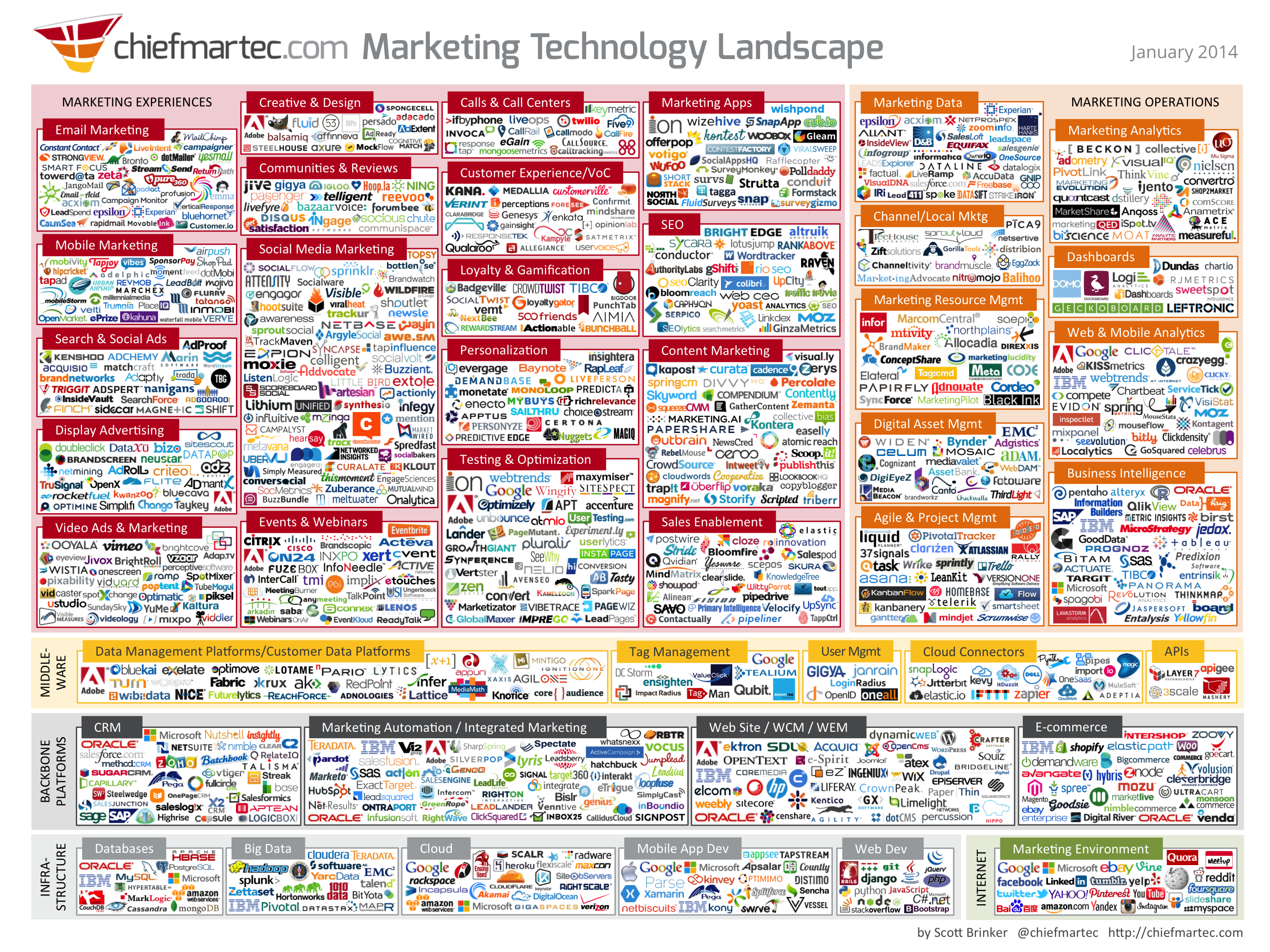








 IEEE GlobalSpec offers a white paper,