The city of San Antoni—Remember the Alamo! But don’t forget about everything else there is to see and do in San Antonio. The old mission/fortress in the center of town is the most visited site in Texas, but it’s not the only destination here. From the towering Tower of the Americas to the city’s famed River Walk, you’ll find plenty of entertainment options in tony San Antone.
For the upcoming trade show, we’ve put together the Sonnhalter Insider’s Guide to San Antonio. It’s our way of helping you cut through the clutter to find the city’s best restaurants, shows and sights. We asked some of our friends in the Lone Star state for their recommendations on the best places to sample some of the city’s cuisine—and not just its delicioso Tex-Mex. We wanted those secret locales that only the locals know about. Because at Sonnhalter, we not only like to get our hands dirty…we also like to get them greasy. So, when you’re not convening at the convention center during the show, make sure you get out and get a real taste of San Antonio.
The city of Phoenix—cultural center of the Valley of the Sun and well known for its “dry” heat. Incorporated as a city in 1881 when a few chuck wagons could still be found, today, food has taken a more permanent role. Phoenix has plenty to offer in terms of great restaurants—none of which are on wheels anymore. So, where does one begin? That’s where the Sonnhalter Insider’s Guide to Phoenix comes in. It’s our way of helping you find the city’s best restaurants, nightlife, the sights and of course, places to cool off.
We asked some of our Phoenix friends for their recommendations on the best places to sample some of the local cuisine—and not just the rattlesnake steak. We wanted those secret locales that only the locals know about. Because at Sonnhalter, we not only like to get our hands dirty…we like to get them greasy! When you’re not convening at the convention center, make sure you have a little fun in the Valley of the Sun.
Welcome to New York, New York (the city so nice they named it twice). Here in the Big Apple, you’ll find the biggest and best of everything. The catch is, there’s so much of everything, where do you start? Well, your friends at Sonnhalter are here to help. We’ve put together this Insider’s Guide to New York. We’ve cut through the clutter to let you know about where to go for a night on the town in the city that never sleeps.
We asked some of our Gotham friends for their recommendations on places native New Yorkers prefer. Those secret locales where the locals like to hang. Here, you’ll find everything from fine dining to fine deli. You see, at Sonnhalter, we not only like to get our hands dirty…we like to get them good and greasy too! You’ve made it here. So make sure you get out and enjoy the sights and sounds of Uptown, Downtown, all around the town. See why more than 50 million people visit New York, New York every year!
Welcome to San Francisco—the City by the Bay! S.F.O., cable cars, hilly streets and beautiful vistas—a great place to live— an even greater place to live it up. To help you find some of the city’s finest in dining and entertainment, we’ve put this guide together and cut through the clutter to let you know about the best places to eat, drink and then eat some more.
We asked our Bay Area friends for their recommendations on where to sample the local cuisine. The result is a list of those secret locales only the locals know about. After all, at Sonnhalter, we not only like to get our hands dirty…we like to get them gooey too! When you’re not busy with business, be sure to head up—or down—the street to sample some of the many hangouts and hideaways. And make it a point to check out the famous landmarks, but most of all, enjoy…there’s no place like San Francisco!
By John Sonnhalter, Rainmaker Journeyman at Sonnhalter
To keep our sanity in trying to keep up with and engage potential customers, it makes sense to use some sort of marketing automation tools to help the process. And there are plenty of options out there: Marketo and Hubspot being two of the better known.
We all know nurturing improves lead quality and moves them through the famous sales funnel. The problem is most sales funnels aren’t simple straight lines.
Here’s the reality – the typical sales funnel isn’t as straight forward as we’d like to think especially in the B-to-B world. The Forrester graphic below is probably more accurate.
The challenge for me is determining messaging for each level to get them to the next step. We need to make them as personal and to the point as possible, but you can’t have 20 different e-mails.
Depending on what you’re selling (engineered product), the selling cycle is longer, and in many cases, there are multiple decision makers, all of which have different hot buttons. How do you handle them? Ideally you want to send leads to sales that are sales ready.
Here are some tips:
Try to identify where they are in the sales funnel so you don’t lose them on messages that are already past.
Give them something to download that will help them in their job (i.e. calculator, configurator, relevant case study).
Make them aware that CAD files are available for downloading.
Try to initiate a question that will want them to talk with one of your application engineers.
What are you doing to better qualify leads before sending them to sales?
By John Sonnhalter, Rainmaker Journeyman at Sonnhalter
Are we living up to our customers expectations? As consumers, we know that through the improvements in technology that most of us want fast, cost-effective and personalized levels of experience. And most are getting it, but at what cost?
Is this any different for the manufacturing world and your customers? Have your distributors and contractors become more demanding? My guess is yes, because remember, they are consumers too and they expect the same from their business dealings.
I read an interesting article in eMarketer recently that companies in general are having trouble meeting customer expectations. 93% of business leaders worldwide said technology has changed the customer experience in the last 10 years.
How does that stack up with what you’re experiencing?
What are your biggest challenges? Are they in this chart?
What are you doing about it?
Customer service. We all say we have it, but what is it? Where does it start?
Unless you are offering something you can’t get anywhere else, then you’re going to have competition from someone. So what makes your customers or potentials want to do business with you instead of them?
Assuming you have a good product, then I’d say the customer experience would be the major deal sealer or breaker. Customer service starts the moment someone from your company answers the phone, through the sales process and follow-up with your customer service department if a question or problem arises.
I guess what I’m trying to say is your company’s customer service should start with every employee. Those that are on the front line (be it a CS or delivery man), they have the one-on-one contact with the customer and can sway future purchases by their actions or inactions. We all build our business around repeat sales so everyone in the company needs to be goodwill ambassadors. The challenge for all of us is to find the friction in our process and smooth it out.
Do you know what a customer is worth to you? Think beyond this quarter or even this year. Think about the last 5 years. How much stuff have you sold them? More importantly, if you come out with something new, where are your best chances of selling it? To someone new, or to someone who knows, likes and trusts you?
Here are some insights on how we can make the customer experience better, resulting in better loyalty and ultimately more sales:
Deliver outstanding quality – from a great quality product to courteous customer service and user-friendly literature.
Understand what your customers want – don’t assume to know what they want – ask them.
Connect with them – direct relationships are the most important and the most challenging. Always think WIIFT (What’s In It For Them). Be sincere and upfront with them. When communicating with them, don’t always be selling. Try to help solve a problem even though it might not, in the short-term, result in a sale to you.
Under promise and over deliver – exceed your customers’ expectations, then do it again!
Don’t sit on your laurels – yes, you have some neat products, but instead of sitting there and just doing the same old same o, innovate. If you don’t, someone else will.
Now these points probably aren’t a revelation to you, but when was the last time you focused on your customers and said THANK YOU!
CLEVELAND – July 2015 – Sonnhalter, a marketing communications firm to the professional tradesman in the construction, industrial and MRO markets, announced the recent appointment of Andrew Poulsen to public relations technician. In this role, Poulsen develops content and implements public relations programs for Sonnhalter and its clients.
Prior to joining Sonnhalter, Poulsen worked as a writer for various print publications. He was previously an intern for Billboard, and his work has appeared on Billboard.com and in Ohio Magazine, Cleveland Magazine, Fresh Water Cleveland and many other publications. Poulsen is currently a member of the Greater Cleveland chapter of PRSA.
“We are always excited when we get a chance to add new talent to our team,” said Matt Sonnhalter, vision architect at Sonnhalter. “Andrew is a talented young writer, and we look forward to having him continue to develop his skills here at Sonnhalter while working with our B2T clients.”
Poulsen earned a bachelor’s degree in journalism from Ohio University, located in Athens, Ohio.
About Sonnhalter
Established in 1976, Sonnhalter is the leading B2T marketing communications firm to companies that target professional tradesmen in construction, industrial and MRO markets. Recently, Sonnhalter moved from its original office in Berea to a new space in the historic Brownell Building, located in the heart of downtown Cleveland. Sonnhalter’s brand identity highlights its expertise in marketing to the professional tradesmen. Its tagline, “Not Afraid To Get Our Hands Dirty,” promotes the employees’ willingness to roll up their sleeves and dig deep into clients’ businesses, also, it refers to the market it targets: the tradesmen who work with – and dirty – their hands every day. Sonnhalter developed the acronym “B2T,” which stands for “business-to-tradesmen” to capture the essence of its specialty. For more information, visit the company website at Sonnhalter.com or visit the company blog at TradesmenInsights.com.
Do you use a creative brief to guide your marketing plan?
In the most recent Marketing Minute video from Sonnhalter, Matt explains what this useful marketing tool is and the 11 elements that Sonnhalter’s creative briefs include.
By John Sonnhalter, Rainmaker Journeyman at Sonnhalter
I’m amazed by the stats that more than half of those on social media don’t have a plan to respond to negative social media posts. Social media isn’t new, isn’t going away, and if you’ve followed or read anything about this space, you know there have been numerous posts about the subject.
Customer service departments are usually the place where traditional issues are handled. But when it comes to social media, most don’t know how to find complaints and have a process of responding in a timely manner. Customers especially on the internet want a response and want it now (42% want to be responded to in an hour or less).
I recently read a great article by Jay Baer from Convince and Convert on Why You Need a Customer Service Response Road Map that highlights ways to identify, prioritize, assign responsibility and set deadlines that’s well worth reading.
Negative issues need to be addressed and what better way to hear about issues than on social platforms. Don’t you want to know what customers are saying about you? You’d better be monitoring them and jump in with a plan to respond. There are several monitoring options out there that will help you. Here are some free ones: Social Mention, Google Alerts, Hootsuite and TweetDeck.
I recently had an experience with a major faucet manufacturer about a replacement. We had to get a new tub at home and my wife wanted to update the faucets, which we did. The manufacturer sent the wrong spout and it took our plumber almost 2 months to get the replacement for it. They weren’t good at customer service, just making excuses. I made mention (by brand name) on a tweet what my frustration was, and true to form, heard nothing back.
In the short run, ignoring me may not be a big deal to them since I had already purchased the tub set, but in the long run, my wife is planning to replace all the faucets in our 3 bathrooms. Guess who isn’t going to be considered for that purchase?
In a world where we have alternative plans for everything, don’t overlook social responses to negative posts. It’s better to address them straight on or they will fester and come back to bite you when you least expect it. Have a plan in place as negative reviews will affect your SEO.
Unless you are offering something you can’t get anywhere else, then you’re going to have competition from someone. So what makes your customers or potentials want to do business with you instead of them?
Assuming you have a good product, then I’d say the customer experience would be the major deal sealer or breaker. Customer service starts the moment someone from your company answers the phone through the sales process and follow-up with your customer service department if a question or problem arises.
I guess what I’m trying to say is your company’s customer service should start with every employee. Those that are on the front line (be it a CS or delivery man), they have the one-on-one contact with the customer and can sway future purchases by their actions or inactions. We all build our business around repeat sales, so everyone in the company needs to be good will ambassadors. The challenge for all of us is to find the friction in our process and smooth it out.
Here’s a good test. Make a complaint on social media about one of your products (under a name they won’t recognize) and see what kind of response you get.
By John Sonnhalter, Rainmaker Journeyman at Sonnhalter
In today’s world, trust is a more important marketing asset than the product or service you’re trying to sell. Think about that for a minute. Would you buy something off of someone you don’t trust? Chances are, the answer is no.
Trust is something that’s earned and it’s always been important. But in today’s world, you can’t BS your way through it. People want to see proof. With the internet and social media, the potential customer has several options to gain access to you and how you’re actually performing in the market.
That’s why building trust should be a long-term goal.
What do others say about you – These third-party comments say a lot about how you really do business. Customer reviews impact SEO.
Who are you connected with – Who do you hang out with, how do you add value, who do you collaborate with? All help shed a light on who you really are.
How do you react – How do you react to questions or negative comments? People are watching.
Are you easy to do business with – Convenience has become a value proposition. Actually go through your own process to see how easy it is to really do business with you.
By John Sonnhalter, Rainmaker Journeyman at Sonnhalter
LinkedIn certainly is the most popular social site for professionals with over 347 million people participating. Certainly there must be someone in that mix you’d like to talk to. It’s a great resource for product and industry knowledge, especially if you identify, join and participate in groups that share your same interests.
It’s easy to do … just go to the search box at the top of the page and type in some key words about the groups you’re looking for. The groups will come up in rankings according to size. Look and see if any are appropriate and join. Some groups are open (anyone can join) and some are closed and you have to apply.
Once you’re in, you should monitor the conversations and jump in when you have something to contribute. The key is to contribute good content, not a sales pitch. You want the others in the group to recognize you as an expert eventually (it takes time).
If you have an issue or want to share something relative with the group, do so. Most groups review content to make sure it’s relevant. Once it’s posted, it doesn’t stop there. Make sure you respond to those that make comments and get a conversation going. After all, that’s the real end game here, that is to start relationships that might lead to business down the road.
What if you can’t find a group that covers your interest? You always have the option of starting a group. It’s a lot of work, but a great way to distribute content and identify like-minded people. Content Marketing Institute had a post outlining 17 tips for starting your own group. The post gives you guidelines on how to start it the right way, ways to promote and manage it and what to do if it’s not working. It’s worth the read if you’re thinking about starting your own group.
By John Sonnhalter, Rainmaker Journeyman at Sonnhalter
Distributors in general are their own worst enemies when it comes to the value they bring to the table and charging customers for it. As their customers are asking for more and are willing to pay less, the distributors’ margins are being reduced and they don’t know how to change the momentum.
If you’re a general line distributor, I wish you the best of luck as you are destined to go out of business if you continue to follow this path.Most distributors who have a specialty like cutting tools/abrasives, power transmissions, bearings, etc. have a distinct value to the proposition, but many aren’t taking advantage of it.
Traditional brick and mortar distributors can’t compete with online catalog sites on price, but what if there’s an on-site production problem? Over the years, I’ve been on several joint end-user calls where the distributor and manufacturer are going in to solve a production problem.
Long ago, the distributors just solved the problems and didn’t charge for it (by the way, it wasn’t usually the product the distributor sold them; it was how the customer was or was not using it correctly).
I recently read an article in Industrial Distribution by Bill Moore from SKF on how distributors can put a dollar sign on the valuable services they offer. Here are some highlights:
Understand your value stream – Are you taking advantage of all the support your manufacturing partners are offering such as training or engineering assistance? All can contribute to a cash value at the customers.
Understand the customers’ challenges – Instead of selling him cutting tools, find out what type of production issues they’re having using the tools. Help him solve that. Add value they can’t get somewhere else.
Valuate your services – What do you bring to the table that they’d have to hire an outside consultant to do? What price can they put on not having to shut down a production line?
Bottom line is, take advantage of what your supplier partners have to offer. They can help you improve your value and add $ to your bottom line.
By John Sonnhalter, Rainmaker Journeyman at Sonnhalter
We all want to get our message in front of contractors. In order to get more out of your content, you need to tie it to your strategy.
We’re all concerned on getting the message out that we sometimes miss other opportunities to use the same content (message) and deliver it differently.
I read a post by John Jantsch, 10 Ways to Use One Piece of Content, that brings this into perspective. Contractors get their info in several formats. Have you tried any other ways of delivering your message?
Here are some highlights from John’s post:
Turn your post into a series of videos that the sales folks can send out on an individual basis
Do a webinar and feature it on your website
Use a Slideshare deck that you can use both on Slideshare as well as on your LinkedIn profile
Develop an infographic and send it out in an e-blast
Testimonials. Get contractors who are already happy customers to give you testimonials, either written or on video.
John’s point is that it’s not the amount of content, but its intention.
By John Sonnhalter, Rainmaker Journeyman at Sonnhalter
I don’t know why folks think that more is better. Better than what? Why do you have to focus on the latest and greatest new thing that comes out? From a marketing perspective, I think we’d be better off if we focus on some key initiatives and do them extremely well.
We can’t be all things to all people so identify your USP (unique selling position) and focus on a marketing strategy that addresses your points of differentiation.Once that’s in place, identify 2-3 key initiatives that you can focus on to show your thought leadership in your area of expertise.
Think outside the box when identifying ways to promote your USP. Identify where your business is coming from. Is it from presentations or referrals? If so, you need to nurture them. Do blogs or e-blasts perform better for getting your message out? Then make sure your content is strong and spot on.
By limiting the number of tactics, you can spend more time doing less but doing it better. Not only can you focus on good content, but you can also measure your ROI.
By John Sonnhalter, Rainmaker Journeyman, Sonnhalter
One of the biggest challenges we all face is getting more out of our marketing budgets. Most of us, when thinking of developing content, think of it as a new task that we have to start with a clean sheet of paper.
Some overlook the fact that you may be sitting on a gold mine of existing content, but have you maximized your existing content (content curation)? Heidi Cohen’s post, Internal Content Curation: What Most Marketers Miss, shows how to give new life to content you’ve already published.
By changing headlines, graphics or focusing it on a specific industry or application, you can get more mileage out of it. Or utilize the content in a different format, i.e. SlideShare or an infographic. It’s a great way to get more content out there to incremental audiences without spending lots of money.
Heidi lists 10 steps to maximize your internal content curation. Here are a few that caught my eye:
Audit existing content – This is low hanging fruit. Look at the gems that get the most attention. Are there content sections missing or that are weak and need to be bolstered up?
Gather content from across the organization –Look outside the marketing department for relative content. Don’t overlook customer service, tech service and engineering as good resources. Collect questions they get from customers on a regular basis and make sure you address them.
Monitor content analytics – What kind of content attracts the most traffic? What keywords do best? Is one platform outperforming others?
What are you doing to maximize your ROI on content?
By John Sonnhalter, Rainmaker Journeyman, Sonnhalter
Industrial marketers who are targeting design engineers need to practice the virtue of patience when communicating with them. I know Sales wants low hanging fruit to sell now, and the C suite is looking for results sooner than later.
The truth is, nothing moves fast when dealing with designers. According to IHS Engineering 360, 70% of new business comes from long-term leads. You don’t know whether they are just fishing for options, have a real project and need help in determining options, or are ready to download CAD files to put in their drawings.
Very rarely does the conversation start at the download CAD drawings. Being spec’d in can take 6 months to several years. Is it worth it? Long term, I think the answer is yes.
As an industrial marketer, our jobs are to identify where they are in the sales funnel and engage with them as they move toward a sales. Your company needs to be top of mind so when the purchasing decision is being made, you have an advocate inside promoting you.
Here are the four cornerstones of a nourishing campaign:
Nourish – provide them healthy servings of relevant, useful information.
Protect – keep their interest so they don’t abandon you for a competitor.
Support – stay in regular contact and always meet their needs.
Encourage – give them offers to help them through the sales funnel.
Respond to inquiries in a timely fashion – if you don’t respond for a month or so, chances are they will have forgotten why they inquired in the first place.
Respond appropriately. Define your audience segments so the messages will be meaningful.
Offer value, not sales pitches.
Create a call to action and objectives. Engage a prospect and monitor results.
Build a schedule of multiple touches over a period of time.
By John Sonnhalter, Rainmaker Journeyman, Sonnhalter
We’re in a service business, and I always say our assets walk up and down the stairs every day. The key to any good company is great people. This is especially true in smaller companies where every “body” needs to be the right person.
Don’t put jerks in management just because they’ve been around for a while; it doesn’t mean they are ready to manage others. No matter who you put there, they need to be able to think out of the box and come to the table with new and fresh ideas.
Hire for the future, not the past – Choose talent that has a broader perspective on life and can adapt to the world of today.
Measure results, not hours –unless you run a factory. Focus on the end game, not how they got there. There’s plenty of ways to get to a goal; be open to new ideas.
Mix old with new – If your company is big enough, include different generations on teams to get a better perspective on solving a problem. A good idea can come from anywhere and the Millennials have a lot to offer and are willing to learn.
Formal training program – No matter how big or small your company is, if you want them to move up the ladder, you need to get them exposed to different aspects of your business. Someone in sales may need to do a stint in customer service or production scheduling to have a greater appreciation of the bigger picture.
Empower your team – The best way for anyone to make good decisions is have all the facts. Don’t hoard info or rationale on why you want to do something.
By John Sonnhalter, Rainmaker Journeyman, Sonnhalter
Long before Grainger, Fastenal, Home Depot and the thing they call the Internet, the local industrial distributor was the backbone to local manufacturers and businesses. My, how things have changed over the past several decades.
I believe the small guy still has a chance to compete on a local level, but they need to change the way they do things. They need to know what their value proposition is, and most importantly, know their customers and what they want.
Source: Industrial Distribution magazine
If they can’t add value, then what’s the point? At the recent ISA Convention in Cleveland, one of the breakout sessions, “Looking Ahead at Distribution: The Future Impact of Size and Value Content 2015,”revealed some interesting issues. Mike Hockett, Associate Editor of Industrial Distribution magazine, did a good job summarizing both the results of the study, as well as the subsequent panel discussion.
Here are some highlights:
Service sales represented only 5% of their total sales.
Buying groups represented the best support.
Manufacturers relied on small local distributors for customer loyalty and technical expertise.
It’s no surprise that cutting tools and abrasives remain the top two product categories that industrial distributors sell. Both require technical knowledge to support and troubleshoot problems. The question is, are the distributors going to charge for this expertise and are their customers going to be willing to pay for it?
So what do smaller industrial distributors need to do to stay in the game? Here are some thoughts:
Embrace Technology – get an online sell site, integrated supply services and electronic billing for customers to order easily.
Value Proposition – need to define so they can focus on the things that matter most and where they make their money.
Buying Groups – need to get in one or more so you can stay competitive and make more money.
Technical/Engineering Expertise – set yourself apart from the pack.
Agency’s donation adds to longstanding relationship with trade professionals
CLEVELAND – June 2015 – Sonnhalter, a marketing communications firm to the professional tradesman in the construction, industrial and MRO markets, donated $2,000 toward Cuyahoga Community College’s (Tri-C) “Construction Program Scholarship.”
With more than 3,500 students enrolled, the construction apprenticeship program at Tri-C is one of the largest of its kind and helps students learn a valuable trade within the construction industry through quality assurance, drawings, project management, scheduling, problem solving and communication.
“We are happy to have the engagement of Sonnhalter and their support of scholarships for students enrolled in Tri-C’s construction programs,” said Gloria Moosmann, vice president, development and Tri-C Foundation. “Through their gift, we are able to assist students with tuition as they continue their educational journey. Support for our students is critical in growing the region and providing a stronger economy for our community.”
Students receive up to 250 hours of classroom instruction, as well as up to 8,000 hours of on-the-job training. During their apprenticeship, students have the opportunity to earn wages and learn from experienced union workers and vocational instructors. Students who complete certification in the program will have the skills to take on careers that include cost/quantity estimating, project scheduling and CAD technician work.
“As an agency that works closely with professional tradesmen, supporting this program is a perfect fit,” said Matt Sonnhalter, vision architect at Sonnhalter. ”We’re proud to provide a scholarship for a college located in our own backyard that teaches a skill so essential to our target audience and also gets more young people involved in this lucrative market.”
About Sonnhalter
Established in 1976, Sonnhalter is the leading B2T marketing communications firm to companies that target professional tradesmen in construction, industrial and MRO markets. Recently, Sonnhalter moved from its original office in Berea to a new space in the historic Brownell Building, located in the heart of downtown Cleveland. Sonnhalter’s brand identity highlights its expertise in marketing to the professional tradesmen. Its tagline, “Not Afraid To Get Our Hands Dirty,” promotes the employees’ willingness to roll up their sleeves and dig deep into clients’ businesses, also, it refers to the market it targets: the tradesmen who work with – and dirty – their hands every day. Sonnhalter developed the acronym “B2T,” which stands for “business-to-tradesmen” to capture the essence of its specialty. For more information, visit the company website at Sonnhalter.com or visit the company blog at TradesmenInsights.com.
Today, we have guest blog from Julian Groneberg of AEG Powertools, who will be discussing some of the top benefits of entering the trade business.
Working as a tradesman has more than its fair share of perks. From being your own boss, to having valued skill sets that will always be in demand, there are many reasons why people turn towards the blue-collar trades for a rewarding career. If you have thought about living the dream as a tradesman, read on for five of the biggest reasons why working as a tradesman offers plenty of benefits.
1. Trade Skills Are Always in Demand
As a tradesman, your skills are always in demand, and these skills are becoming increasingly required due to skill shortages in many areas, particularly in the more specialized trades. Many trades, including plumbing, mechanics and electric work, are considered recession proof, with their tasks unlikely to be performed by robots or computers in the future. The high level of technical skill required in most trades means there will always be demand, which means greater job security compared to many other industries.
2. No Lengthy Study or Massive Student Debt
Instead of a massive debt for a degree that may or may not guarantee you a job when you graduate, tradespeople often wind up with quite manageable debts because they learn a lot of their skills while on the job. This means they can start earning money right away and avoid the stress of repaying sizeable student loans while they look for employment. The on-the-job training tradesmen receive makes them very employable and opens up lots of options, even during the early stages of their careers.
3. Be Your Own Boss
A large percentage of tradespeople work for themselves, setting their own hours and deciding which contracts they want to take. Tradespeople also have the potential to grow their own business (and their income) as they become more established, with greater earning potential than other fields where incomes remain static.
While there are costs associated with running what is essentially your own business, including insurance and having to purchase tools from specialty suppliers, the flexibility of being your own boss is something that’s too good to pass up. This flexibility makes it a very appealing career option for many who like to be in charge of their own destiny.
4. High Sense of Satisfaction
As a tradesman, there’s a high degree of self-satisfaction getting your hands dirty creating something that people will use and developing solutions that will make lives better. Every day as a tradesman is a challenge, but you’ll never be bored sitting idly behind a desk watching the clock. Whether it’s the construction of a brand new home, installing an eco-friendly lighting design in a new office building or creating a seamless kitchen perfect for cooking, the projects that tradesmen work on can be extremely varied with a very tangible finished product. This variety and sense of purpose offers a high level of satisfaction for any tradesperson.
5. High Earning Potential
While the income ceiling for white-collar workers may be higher, the reality is that the average white-collar worker salary sits at about the same or lower than that of a skilled tradesperson. For tradesmen who show management potential and entrepreneurial ability, their earning potential can be virtually uncapped and will outperform those in many other industries.
Julian Groneberg is a Brisbane-based freelance writer for AEG Powertools. When he’s not bashing away at the keyboard writing engaging content, he’s out eating his way through as many local food establishments as is humanly and financially possible.
What other reasons are there to be a tradie? Share your insights in the comments below.
If your company currently has a print advertising program in the trade publications, did you know that many of these publications offer ad readership studies at no additional cost to the advertiser? These studies are usually completed once or twice a year, on ads half-page or larger in size. A sample of the publication’s readers are invited to respond to the questions, and are encouraged to give feedback on the various ads in the issue being studied.
The average ad readership study will tell you:
If your ad is attention-getting
If your ad is believable
If your ad is informative
You’ll also get verbatim comments on your ad – actual quotes from the readers that let you know what message they received from your ad.
Comparing your ad’s results with other ads in the issue, both higher and lower scoring, will give you an idea of the creative approach that can best reach that particular audience, and you can adjust your creative accordingly.
Another type of ad study offered by some publications, also done at no additional cost for advertisers, gives scores based on whether the reader recalls seeing the ad or recalls reading the ad. While the results represent a small sampling of the magazine’s total circulation, they do reflect the opinion and commentary of readers who are the most active, providing insight into how the general audience may react to the advertising.
So if you’re interested in learning how your ads are performing in the markets you’re active in, consider placing a print ad in those issues offering the readership studies. If you’re not sure if the publications you advertise in offer these studies, be sure to ask your agency or magazine sales rep to find out for you.
Following are links to the advertising pages for just a few trade publications that offer these types of studies:
By John Sonnhalter, Rainmaker Journeyman at Sonnhalter
I always like stories of the little guys who take on the 800-lb. gorilla and win the battle. One of the benefits of social media and content marketing is you don’t have to be an 800-lb. gorilla to succeed.
In my opinion, it’s the one who is consistent on providing good content and responding in a timely matter that really counts.
All too often larger companies need to go through a “process” that is very time-consuming for both posting content and answering questions. They may have a bigger staff, but do they know your target customer? They may be able to outspend you, but can you out-market them?
Smaller companies, for the most part, have closer and more frequent contact with customers and know what’s on their minds.Customers don’t care how big you are, they just want solutions/answers to their questions, and if you can offer them more and better content, then you win.
So what constitutes a good Content Marketing Strategy?
Here are some tips:
Know your customer
Know their pain points
Anticipate their questions
Know where they look for info and be there
Timeliness of responding to questions
Be consistent and post content regularly
By following these simple guidelines, you will get the recognition you’re looking for, create engagement with potential customers and become a brand leader. Companies large or small need to focus on customers’ needs and always answer the question, “What’s in it for me?”
By John Sonnhalter, Rainmaker Journeyman at Sonnhalter
I understand the concept of what Big Data is, but truthfully, I’m having a hard time getting my arms around whether it’s worth the time, money and effort to track everyone’s movement.
Most studies, when citing companies that are using Big Data, are usually big consumer brands for the most part. But is it the right thing for the small- to medium-size company, or is there a better way to invest time and money?
Everyone is concerned about the customer experience. Wouldn’t it be just easier to ask them?
This might work for consumer behavior, but in the B-to-B world and especially in construction and the trades, it’s not all that complicated. In the world of design engineers, the process is a little more complicated, but the crucial piece of info we need is where are they in the buying cycle and what kind of info can we supply to help them make a better informed decision.
I’m not saying tools that will help you identify activity levels of potentials are not helpful, but where it fails is in the assumptions we make based on that criteria.
I’m of the opinion that if we think we really know our customer base and their pain points, why not give them good content to solve their issues and make their life easier? In my world, those folks would be top of mind when it comes to the actual purchase process.
CLEVELAND – May 2015 – Sonnhalter, a marketing communications firm to the professional tradesman in the construction, industrial and MRO markets, announced the recent promotion of Rachel Kerstetter to public relations architect.
In this role, Kerstetter manages public relations programs for Sonnhalter and its clients.
She joined Sonnhalter in 2011 and served as public relations engineer prior to her promotion. Kerstetter is an active member of the Public Relations Society of America, serving on the board of directors, and is chairperson of the young professionals committee of the Greater Cleveland chapter of PRSA.
“It was obvious early in her career at Sonnhalter that Rachel would be a great asset for the company,”
“It was obvious early in her career at Sonnhalter that Rachel would be a great asset for the company,” said Matt Sonnhalter, vision architect at Sonnhalter. “We’re very excited for this next stage in her professional career and her continued growth here at Sonnhalter.”
Kerstetter earned her bachelor’s degree in communications from the University of Mount Union, located in Alliance, Ohio.
About Sonnhalter
Established in 1976, Sonnhalter is the leading B2T marketing communications firm to companies that target professional tradesmen in construction, industrial and MRO markets. Sonnhalter’s brand identity highlights its expertise in marketing to the professional tradesmen. Its tagline, “Not Afraid To Get Our Hands Dirty,” promotes the employees’ willingness to roll up their sleeves and dig deep into clients’ businesses, also, it refers to the market it targets: the tradesmen who work with – and dirty – their hands every day. Sonnhalter developed the acronym “B2T,” which stands for “business-to-tradesmen” to capture the essence of its specialty. For more information, visit the company website at Sonnhalter.com or visit the company blog at TradesmenInsights.com.
By John Sonnhalter, Rainmaker Journeyman at Sonnhalter
Everyone is getting better at resisting all the interruption-driven ads and promotions. Your customers are taking control of what they want to read or look at.
So what’s the answer? Quit selling and start giving them what they want (helpful content), where they want it and when they want it.
I recently read a post by George Stenitzer on Content Marketing Institute that talked about when more people are saying no to ads, what options do we have to get your message in front of them?
He cites some amazing stats:
Mobile has taken over as the first screen to view content
Over 50% of Americans record TV shows and don’t watch commercials
91% of consumers unsubscribe or unlike brands for which they once opted in for
George gives us some helpful ways to make sure your content is seen and read.
Permission is golden – If someone allows us to share info with them, make sure you give them good relevant content (it’s not about you).
Give them what they want – A small percentage of your content will outperform the rest. Use your analytics to give them more of the same.
Earn their attention in 7 seconds (23 words) – In the battle for attention, you need to answer the question quickly of what’s in it for them. Use images where possible.
Keep customer info up to date – If you’re trying to be more personal and have the wrong info, you’ve lost the battle before it started.
These tips are not earth shattering, but a good reminder of what sets good content apart from the other self promotions.
Today we have a guest blog post on behalf of WIA (Welding Industries of Australia) on four trades that are crucial for the construction industry.
Whether you live in a small town or a large city, you rely on the construction industry to provide infrastructure. From large corporations to modest family households, the construction industry is responsible for creating buildings that shelter you. But while we may depend on this industry for many things, the industry itself relies on several specialized trades. Here are four of the trades that are vital to the field of construction.
1. Electricians
Reading at night, keeping cool in the summer, using computers at work or cooking a meal, there’s a seemingly endless list of day-to-day activities that are made possible by electricians. In our modern society, there’s no doubt that any building without electrical wiring would be virtually useless; the construction industry wouldn’t get very far without the skills of electricians. And while these tradespeople generally get paid well (U.S. News puts the average salary for electricians at around $50,000), there are certainly drawbacks to this profession. Aside from limited promotion opportunities and a lack of flexibility, electricians also face the very real risk of injury or death on a daily basis. According to Electrical Contractor magazine, 143 or so construction workers die due to electrocution each year, with about 34 percent of these individuals being electrical workers. It’s little wonder electricians experience above-average stress levels on the job.
2. Carpenters
Most of the wooden furniture you use, timber floors you walk on and wooden walls and beams that support the roof over your head are the handiwork of carpenters. When you consider that the majority of homes in the U.S. are constructed with timber frames, the importance of carpentry becomes even more obvious. With over 900,000 carpenters in the country and projections for this number to rapidly grow, this trade is clearly an important part of the construction industry. Fortunately, the decent working conditions and respectable average salary of about $45,000 should see this trade continue to flourish in the future.
3. Welders
Welders, often categorized together with cutters, solderers and brazers, are essentially the metal equivalent of carpenters. From manufacturing household appliances, to building race cars, there is a uniquely diverse range of projects that a skilled welder can find themselves working on. While less known than other trades, welding is an extremely valuable element of the construction industry.
Welders require thorough training and often need to earn credentials before landing their first job. Sometimes, they also have to invest in their own equipment from a specialist provider like WIA. These factors may contribute to the fact that welding is the only trade on this list that the Bureau of Labor Statistics has predicted will decline in number moving towards 2022. According to this Forbes article, welding is one of the main fields in which an older average population of workers could lead to a shortage in the near future. This means that welding is not just a crucial trade for the construction industry, it’s also a worthwhile career path for young aspiring tradespeople.
4. Plumbers
Similar to electricians, plumbers are essential in the construction of any contemporary building. They also become vital tradespeople when you want to renovate a bathroom, decide to add an en suite to your home or have any toilet issues. The task of keeping our pipes and water systems functioning smoothly employs about 390,000 plumbers in the U.S., and this number is expected to grow much faster than the average profession this decade, according to the Bureau of Labor Statistics. This steady growth is likely due to the construction industry’s (and society’s) consistent demand for plumbing work, combined with the healthy average salary of around $49,000 and the job satisfaction that comes from regularly making a difference to the lives of other people.
There are many trades that form integral parts of the construction industry – these are just four of the most crucial ones. Reflecting on the important role these tradespeople play can help us appreciate and understand why pursuing a trade can be a lucrative and very fulfilling path.
By John Sonnhalter, Rainmaker Journeyman at Sonnhalter
If you’re using social media, your objective is to connect with your target audience. In order to do that, you need to talk in non-business terms instead of connecting on a human level.
Hopefully you’re not taking your existing marketing material and repackaging it into social. The best way to connect with prospects is through story telling. You can still get your message across without the hard sell.
By John Sonnhalter, Rainmaker Journeyman at Sonnhalter
I’ve always been a big believer in relationship selling. After all, we usually buy stuff from people we know, like and trust. Agree? So why not take that to another step in the selling process by using the same principles to your marketing efforts?
This is especially true now that content and content marketing is such a big part of everyone’s overall strategy.
We all have heard the saying that Content is King and Community is its Kingdom, but what brings them together? It’s building solid relationships with Contractors and Tradesmen using relationship marketing.
He points out that we need to know and understand what our target wants and needs. They want solutions, not necessarily a sales pitch. You need to make yourself available in conversations with contractors.
He also points out that we should collaborate with others that share the same passion. For an example, say your target is professional plumbers. You want to focus on products that will help them do their install better. You’re not interested (nor capable) in helping them market their plumbing business locally.
Why not team up with someone who’s focus is just that, like Plumbers SEO.net or Darren Slaughter who specializes in contractor marketing.
This blog focuses on helping manufacturers better communicate with contractors and professional tradesmen. We have three challenges: 1) identify our audience, 2) give them meaningful content, and 3) keep them coming back. One of the most important things I try to communicate is that to be successful, you must be able to engage and have a genuine relationship with your reader.
Here are some steps to build those relationships:
A genuine relationship starts with you – start with an open and positive mindset and be willing to work on the relationship.
Make posts as helpful and useful as you can – it’s not about you, it’s about your readers’ problems and concerns.
Be helpful and positive in all interactions – whether it’s on Twitter, Facebook or your blog…always be helpful, positive and upbeat.
Encourage discussion in comments – you’re not the only one with good ideas. Make sure to engage on your response and ask their opinion.
Give back on other blogs – link when appropriate to other blogs, visit their sites and make comments and write guest posts for them.
One of the most important points is you can’t fake this stuff. If you are just pretending to care about your readers, if you don’t really want to talk to them, they’ll feel it and then you’ve lost them.
Today, we have a guest blog from Emily Hunter on the importance of forecasting and budgeting when making smart financial and HR decisions in planning a successful business model.
Why Forecasting and Budgeting are Vital to Success
There are countless aspects to running a successful enterprise, and forecasting and budgeting are amongst the most important. Without a proper focus on these aspects, a business can easily spend too much money, make errors in hiring and have different departments in a company working toward competing goals. Let’s take a look at some of the more important reasons that budgeting and forecasts are so vital to keeping your business in sync.
Planning for the Unexpected
One mishap or emergency can sometimes spell disaster for the entire company. Being ill-prepared for these events can result in a company going out of business or, best-case scenario, having a long run of unprofitable months. This is where budgeting and forecasting models are so essential. Though a time may never come when a contingency plan is necessary, having one in place is still important.
Forecasting potential issues can help a company stay afloat if, for instance, a top producer in the corporation departs. Having a financial plan set up to keep a company going strong in this instance, and in many others, prevents any one department, individual or another aspect of a company from being the only thing keeping it successful.
Making Appropriate HR Decisions
Some companies hire an overabundance of new employees with the idea that they’ll need them in the long run. This can be an unfortunate decision if proper budgeting and forecasting solutions aren’t implemented. Discovering that unnecessary resources are being spent can sometimes result in angry former employees and increased unemployment insurance costs.
Fortunately, enterprise resource planning (ERP) solutions can help in this situation. Because these types of tools allow multiple departments to simultaneously access information and data related to inventory management, product planning, marketing and a variety of other aspects, it’s easier to forecast staffing needs instead of making pointless hires. In the end, this can save untold expenditures in training and other human resources expenses.
Improving Income Statements
Operational plans are essential to forecasting projected income for a corporation. Making them more efficient is a great way to improve budgeting and forecasts, and thus be prepared for events which could impact a company’s progress. Creating these plans is much easier and produces better results when cash flow statements and balance sheets are integrated between all departments.
Increasing Good Collaboration
Effective budgeting and forecasting tools can also ensure that collaborative projects run much more smoothly and efficiently at any company. Simply imagine an individual ordering inventory without realizing that another employee has just made a huge sale that will diminish much that is on hand. Similarly, someone focusing solely on inventory without realizing that the approaching month’s sales will be slower can result in overstock.
ERP software can go a long way to prevent such mistakes from occurring. All employees who would benefit from access to the forecast model can be added to the shared permissions for any collaborative sections. This allows for more cooperative human resources; when each employee knows the full circle of their tasks, it is less likely that costly mistakes will be made.
Recognizing Growth Opportunities
Properly created budgeting and forecasting models allow a company to make informed decisions on whether or not they can expand. By using the reports derived from this data, it’s possible to answer questions such as: “Can we afford another employee in Department X,” or “Will increasing production result in enough sales to still cover overhead costs while still turning a profit?”
There are not many aspects of a company that the elements of forecasting and budgeting do not directly affect. Because of this, an ERP software solution containing these elements is certainly amongst the best software investment a budding entrepreneur can include in their budget. The aforementioned benefits are just a small sampling of what a successful budgeting and forecasting model can do to ensure your company’s ultimate success.
Emily Hunter is a SEM Strategist and Outreach Supervisor at the Marketing Zen Group, working closely with TGO Consulting. She loves designing strategies with her team and is excited about spreading the Zen gospel. In her spare time, she cheers for Carolina Crown and Phantom Regiment, crafts her own sodas, and crushes tower defense games. Follow her on Twitter at @Emily2Zen
By Chris Ilcin, Account Superintendent at Sonnhalter
(image courtesy of CNET)
On April 21st, Google changed its search results algorithm.
Sounds boring, right? Well the results of that change may impact your business more than you think. As of that Tuesday, nicknamed Mobilegeddon by various media outlets, the mobile friendliness of a site is now a more important factor in ranking mobile search results. Why the change? Because the way we access the web is changing.
Last year, it was estimated that over half (60% by some estimates) of all online traffic was from mobile devices. Facebook reports that 85% of daily access to its site is from mobile devices, and last holiday season, Amazon stated that 60% of all sales were from, you guessed it, mobile. At the same time, Google’s dominance in mobile has slipped. As more and more mobile search comes from apps rather than true search, so has their share of traffic and revenue. In 2014, they reported 68% of all mobile search revenue. Impressive, but dramatically down from the 82.8% only 2 years earlier.
So What Can You Do?
First and foremost, find out how mobile friendly your website is. Google has a site, here, that will score your site (tradesmeninsights.com scores an “awesome”) Now that you know, there are several steps you can take:
Add some elements to your pages to make them more user-friendly:
Have text that is readable without tapping or zooming
Make sure tap targets are spaced appropriately
Avoid unplayable content and horizontal scrolling
The update applies to individual pages, not entire websites, so make sure your most critical pages such as product pages, receive mobile makeovers first.
Pages being a good search match still trump mobile-friendliness, so make sure you know how people search. Customers probably aren’t searching by product number, so make sure your pages contain common keywords and industry-specific slang.
This new criteria only applies to mobile searches, so know how your customers are finding you. It may be that you don’t need a mobile strategy right now. But keep in mind that the biggest name in search has a mobile strategy, so soon you’ll need one too.
By John Sonnhalter, Rainmaker Journeyman at Sonnhalter
Think about the people you care about and like both in your personal life as well as your professional one. I bet one of the reasons you like them is because they take the time to listen.
You know it’s hard to have a conversation with someone who’s always talking. In business, I think the best salesmen are the ones who take the time to find out what the customer’s problem is and then offers options for fixing it.
I find that those same people who want to talk a lot don’t worry much what’s said about their company or brand on the internet, and that could come back to bite them big time in the long run.
I recently read a post by Zoe Summers in Social Media Examiner that outlines ways to use listening in your business life (social listening is also known as social media monitoring). Here are some highlights:
Sales – Listening programs give you the opportunity to find prospects when the timing is perfect and when they’re actually asking for answers you have.
Marketing and PR – Listening helps make sure that the language you’re using as a company is the same language being used by the people you’re hoping to hook.
Customer Service – Customers are airing their concerns, questions and grievances over social media channels, especially if traditional channels prove less than helpful.
R&D – You can fuel your idea engine by harnessing the input, thoughts and creativity of the online audience.
HR – The obvious potential here is talent recruiting, in both finding potential employees and examining their online social graphs.
Executives and Management – They can understand market trends through the unfettered viewpoint of the online masses and determine whether they’re behind, ahead of, or riding the curve.
So next time, whether it’s online or in person, take a deep breath and listen first.
Last fall, Sonnhalter was recognized by HubSpot as an agency that “gets” positioning and has found its focus. (Check out the blog post here.)
It’s no secret that we’re known for our B2T marketing communication niche and that we really dig in and get our hands dirty. But the question we often get is:
“Does B2T limit you?”
The short answer is “No!” The opportunities in our niche seem limitless, in fact more than half of our business is generated by relationships with brands located outside of our hometown.
A deep understanding of the audience of the B2T marketplace not only helps us help our clients, but it also helps us form relationships.
Truly understanding your audience: their needs, their jobs, their struggles and their personalities are key to making any marketing communication effort successful.
It’s important to keep in mind that you can’t be all things, to all people, all the time. Identify your strengths so that you can hone your focus.
And of course, when you need help, be sure that you consult with someone who really “gets” your audience.
By Chris Ilcin, Account Superintendent at Sonnhalter
Photo Courtesy of Osborn
Do your employees know where your products are used? Do they know the applications the parts they make make possible? Are they aware of the history and critical nature of your company? There are many simple, cost-effective ways to increase productivity and morale by implementing a program that lets them know.
To land new business, you’re always told to “Tell Your Story” well. It’s just as important to tell it internally. Why?
• It makes employees feel like part of the plan – Let them see the big picture and where you as a company fit into it
• It helps them see the long view, not just their day-to-day part in it – There’s a plan, not just a daily task
• It builds internal networks – If Engineering tells their story to Customer Service, everyone sees people and faces, not silos
• It allows them to be brand ambassadors – If they know the story you want told, then that’s the story that gets re-told
So how do you reach them? That’s the easiest part—the same way you reach new customers:
• Host an Employee Open House – Let them show off to their kids, and see what goes on in other departments
• Giving a tour of your facility? Engage employees – Don’t treat them like an extension of the machine they’re working, but have them describe what they do, and the cost savings, quality assurance or other aspect of their work
• Start an internal newsletter – It’s a great place to either post external press releases, or develop case studies for outside use
• Cover the Walls – Advertising blown up as posters reinforce your brand internally and when guests tour your facility
• Let them hear & be heard – Have a quarterly or monthly meeting of non-managerial representatives from every department, and allow for an open exchange or ideas, complaints and stories
• Highlight your company’s history whenever possible – Old ads, press clippings or photos give a sense of pride and place
• Have a mission statement – And stress it internally. Print it on business cards, coffee cups in the vending machines; anywhere it will be seen regularly
You don’t need to be told that Manufacturing has gotten a bad rap. For years it’s been the butt of jokes, seen as a “dead end” and been declared all but extinct in this country by countless talking heads.
Well those people are wrong. And the house they left to get into the car they drove to the studio where they made their comments is testament to it. And it’s time your employees knew that too.
I once heard a really cool story about the Gateway Arch in St. Louis. It has a unique elevator that kind of side-steps its way up to the top of the arch. Well if you look into the arch, instead of out at the view, along the way you’ll see large welder-generators. They’ve been there since the Arch was built in the mid 60’s. Because of the way the arch was made, it was impossible to move them, so they just left them, placed another (which also got left behind) and kept building.
As a former employee of that welding manufacturer, I think that’s fascinating, and if I could ever get over my nagging fear of heights, it would be the best part of the trip up. To know that something that was made in the same building I worked in was instrumental in a project like that, it just boggles the mind. All the “ordinary” people, doing their “ordinary” job at factories all across the country added up to a modern marvel like that. Inspire that sense of awe in your employees, and they’ll help do the heavy lifting of establishing a brand.
Source – Messe Frankfurt Exhibition GmbH / Pietro Sutera
By Matt Sonnhalter, Vision Architect
I recently attended the ISH Show, a biennial show, which took place in Frankfurt, Germany in March. This was the first time I was able to attend this show and it sure did not disappoint. I guess the one word I would use to describe this show would be overwhelming!
Here are some of the amazing statistics from the show:
Over 850,000 square feet of exhibit space – sprawled out over 11 buildings, most with multiple levels
Almost 2,500 exhibitors – representing over 50 countries; and this number is not nearly as impressive as the individual sizes of their booths; 61% of these exhibitors came from outside of Germany
Nearly 200,000 visitors – from plumbing and HVAC professional tradesman (accounting for around a third of the total), architects and engineers, to distributors, service providers, public authorities and more; 37% of these visitors came from outside Germany
Source – Messe Frankfurt Exhibition GmbH / Pietro Sutera
This is by far the world’s leading show for the combination of water and energy topics. Everything one could possibly imagine for these industries was covered under the following five product groups:
The Bathroom Experience – think of KBIS on steroids…Grohe and Hans Grohe even had their own buildings
Building and Energy Technology – everything from boiler and burners, to heat pumps and components for heating equipment
Efficient Systems and Renewable Energies – all the alternative energies were represented from solar, rain water, biomass and geothermal, plus there was even an entire floor dedicated to stoves, pellet burners and fireplaces
Air-Conditioning, Cooling and Ventilation Technology – this section was comparable to the entire AHR Expo in U.S.
World of Installation Technology – covering plumbing techniques, tools and systems for surface mounting, pipes, fittings and fasteners
The overall theme for ISH 2015 was “Comfort meets Technology” where the world’s leading companies covered future-oriented issues such as resource conservation and renewable energies. Here are some of the other broad themes covered during the show:
ISH Water: Interior + Technology – Design and Function in Harmony. Topics covered included: the multi-generational bathroom; bathroom architecture in the light of demographic change; hygiene requirements for drinking water and efficient use of water as a resource
ISH Energy: Energy Efficiency Plus. Topics covered included: energy efficiency in the heating market; hybrid systems; using a single room fireplace to provide comfortable warmth and holistic sustainability
Future Buildings: Topics covered included technology, comfort and energy efficiency in harmony; integrating automation of interior spaces and energy efficiency and smart living – the networked home becomes an everyday reality
Amazingly, this show is really equivalent in size to 4 or 5 of our major U.S. professional tradesman shows. The show was five days in length and you needed almost all of it to walk the entire show. And the booth traffic was tremendous, and not just on the first day of the show like most U.S. trade shows, seeming to build each and every day.
If you’ve never been to the ISH Show and you are involved in any part of the Water and Energy fields, it’s definitely worth attending. Just make sure to book your travel accommodations early and wear comfortable walking shoes!
Want to keep reading about ISH? Check out these links:
Matt Sonnhalter becomes sole owner of B2T marketing communications agency.
CLEVELAND – April 2015 – Sonnhalter, a marketing communications firm to the professional tradesman in the construction, industrial and MRO markets, became wholly owned by Matt Sonnhalter effective January 2.
Matt Sonnhalter has been a partner in the firm since 2004 and became president of Sonnhalter in 2008. Founded in 1976 by his father, John Sonnhalter, the agency serves a niche market and continues to maintain that focus. Sonnhalter developed the acronym “B2T,” which stands for “business-to-tradesmen,” to capture the essence of its specialty, which is serving companies that target professional tradesmen in the construction, industrial and MRO markets.
“This change in ownership has always been part of the Sonnhalter succession plan,” said Matt Sonnhalter, vision architect at Sonnhalter. “When I became president of Sonnhalter in 2008, I was excited to continue the company’s success and that excitement remains as we continue to grow.”
“Over the past 38 years, Sonnhalter has grown into a leading agency specializing in B2T. It has continued to grow under Matt’s leadership and I know it will continue under his ownership,” said John Sonnhalter, rainmaker journeyman and founder of Sonnhalter. “I’m also excited to keep consulting for the agency during this transition.”
Sonnhalter recently moved from Berea, Ohio, to the historic Brownell School building on Sumner Ave. in downtown Cleveland.
About Sonnhalter
Established in 1976, Sonnhalter is the leading B2T marketing communications firm to companies that target professional tradesmen in construction, industrial and MRO markets. Sonnhalter’s brand identity highlights its expertise in marketing to the professional tradesmen. Its tagline, “Not Afraid To Get Our Hands Dirty,” promotes the employees’ willingness to roll up their sleeves and dig deep into clients’ businesses, also, it refers to the market it targets: the tradesmen who work with – and dirty – their hands every day. Sonnhalter developed the acronym “B2T,” which stands for “business-to-tradesmen” to capture the essence of its specialty. For more information, visit the company website at Sonnhalter.com or visit the company blog at TradesmenInsights.com.
By John Sonnhalter, Rainmaker Journeyman at Sonnhalter
Podcasts are a very popular medium today and rightfully so. Podcasts can add another dimension to your audience as they can hear the voice behind the words.
Alisa Meredith recently wrote a piece on HubSpot on why marketers should be using Podcasting and shows you that getting started is relatively painless.
Jay Baer, in a recent episode on Social Media Examiner, said,“There’s something about bringing somebody inside your head through your ear holes that ties you to that person in a way that reading a blog post or reading a book or anything else just doesn’t.”
Using podcasts is a way of building brand awareness as well as loyalty. Podcasting gives busy contractors another way to get information (let’s face it, we all only have so much time to read), and the auto industry with smart dashboards are making it easier to listen to.
You can also put them on iTunes which can give you access to more potential customers who are searching for info on key subjects by key words or phrases. Don’t be obsessed with the number of people who listen to your podcast, but more on the quality of them.
There are several ways that you can use podcasts to get to the professional tradesmen. Here are a few to consider:
You initiate them. You can talk about issues affecting the tradesmen and possible solutions they could consider.
You can interview industry experts or association leaders who can talk about everything from legislative issues that might relate to your business in the future, or talk about things you can do now to improve your business.
Be a guest on someone else’s podcast. There are bloggers out there that target the same types of audiences you do. Follow them for a while, and if you determine it would be a good fit, contact the blogger and ask if they would consider doing a podcast with you. You’ll need to lay out the reasons why you think you can contribute to their audience and propose several topics for discussions. Don’t know any bloggers? Go to iTunes and type in under podcasts some of the key words that you are associated with. You’d be surprised at the number of podcasts that already exist. Listen to a few and contact the originator.
Podcasts help set you apart and allow you to be known as not only an industry leader, but if you do your own podcasts and get guests to interview, it will also show that you are wired to the right people who can give a different view or experience that will help your listener. It’s a win-win for everyone.
By John Sonnhalter, Rainmaker Journeyman at Sonnhalter
Let’s face it, we’re all in this for the same reason.To talk with people who share the same interest. We must always be tweaking and improving what we deliver.
So in order to get them to give up their email, we better come up with some interesting and helpful stuff that will make them want to read our emails for future gems. It’s not only what you have to say, but how you say it. Beyond being potential customers, these contractors can be your best friend by sharing it with their peer group.
Here are some tips to building a better list of contractors and tradesmen:
Think like a contractor– What are their pain points? Give them practical solutions.
Talk like a human – Don’t use marketing or sales speak. Keep it conversational.
Give them a reason to sign up – Sneak peeks at new products, exclusive product demos.
Ask the contractor what they want help with – Get engagement from the audience you want to reach.
Don’t be afraid of humor – People like to smile and it shows more of your human side.
Reach out to contractors – On a regular basis, randomly pick several contractors and have a product manager call and pick their brains on possible new product ideas.
Emails are back and stronger than ever if we do them right.
By Chris Ilcin, Account Superintendent at Sonnhalter
If you’re like me, you’ll flip the channel when commercials come on. Hopefully, unlike me, you’ll remember what you were watching when the break is over.
Well tradesmen are the same way, so don’t expect them to actively seek out a 5-minute commercial on YouTube. All the search terms in the world won’t make people sit through a video that does nothing more than pat yourself on the back for making such a great product.
If you want eyeballs, and the increased search results they equal, you need to show how your product fixes their problems. Here are a few tips:
Make it Solution Based – Why does this product exist? What problem does it solve, or how is it best used. Make the solution, not the product the focus. This also gives you a chance to showcase your “total” solution; customer service, technical support, anything else that sets your solution apart from the competition.
Keep it, and Your Customers Moving – Just like a good commercial, an effective video should drive the customer somewhere, in the shortest amount of time available. Website, local distributors, a call center. Figure out where you want them, and give them a reason to get there.
Be Yourself; or Have Someone Else – If you’re not funny, don’t try to be now. Work with what you have. Or better yet, add another person. They can bounce ideas and concepts off each other instead of the camera and both will feel more natural. One set up I’ve always liked is a “Product Expert” being interviewed by an “Everyman.” This way they can tease the pertinent info out, rephrase it in common language and keep the conversation moving.
Know What You’re Good At – Even the best message can get lost with poor delivery. Now isn’t the time to hire your Brother-In-Law’s cousin. Highly qualified freelancers are available across the country. Put out feelers through friends, social media, your PR people and vendors, and get quotes. And not just for camera, but sound, direction, editing and production. Done correctly, a video will become the first interaction a potential customer will have with your company, so make it count.
It’s All in the Prep – Just like painting a room, most of the work should take place before the job gets started. Have a script, a shot list, a location, talent, and props in-hand. Make sure everyone is on the same page about goals and message. Editing is great, but it can’t make words or actions you never shot magically appear.
Say It or Show It; Not Both – A picture is worth a thousand words, so save the words for something else. It’s a video, not a book (or blog post) so keep text to an absolute minimum.
Multitask – As long as you’re hiring freelancers, setting up lights and everything else, cover a few other bases. Product photography, other solutions or products that can be shown in the same set-up, video for trade show use and social media all can be taken care of. With a well-choreographed crew, you can shoot 3-6 short videos in one day. So make the most of it, but keep to your priorities.
Consider All Platforms – Where do you want your video to be watched? Everywhere. On your website, YouTube, Facebook and mobile devices. So keep it as short as possible. Even the best smart phone right under a cell tower won’t play a 10-minute video without a pause or two, so don’t try your viewer’s patience.
Don’t Re-Post; Re-Direct – Once you’ve uploaded the video to YouTube, make sure you let everyone know. But do it through links and redirected placement. For instance, don’t embed the video on the product page; embed the YouTube link. That way all the views are being accumulated in one place, increasing that number and moving it up the search results.
Tag, So You’ll Be It – Think like a customer, or potential customer. They don’t know the products part number or trademarked name. So while all that should be in the tags, so should more generic terms and phrases, as well as your competitors’ names, terms and phrases.
Keep An Eye On It – Once it’s posted, track it. How many views does it get after a week, a month and a year? Use the Analytics options on YouTube (all free) to see how people are finding it, how long they’re watching it and re-post it someplace every few months.
Don’t Take Comments Personally – By now you’ve been living with this project for a few months, and feel pretty happy about the end product. So negative comments, which are almost guaranteed in the internet age, are going to feel like a personal attack. They aren’t, and the biggest mistake you can make is to feed the trolls. Address legitimate concerns as diplomatically and quickly as possible, but don’t add fuel to a fire.
Video is an incredibly powerful tool. It works in almost any setting; in an office, on a sales call, or in the field. Make it as effective as possible, and it can sell the product, reinforce your brand and be relevant for years to come.
Project meetings for marketing activities are so important for all who will be working on them, so let’s make sure we make the most out of them.
We usually start out with a creative brief initiated by the lead person for the project. This sets the tone and objectives for the project, so when the team does get together, they have a clearer picture of what needs to be done.
We use a creative brief to get the process going, and it might help you if you don’t have a formal process.
Here are the key elements:
Project description – Give overall scope of what needs to be accomplished.
Background – What are your current problems? What are possible key solutions? What are the current beliefs and what are the desired ones?
What do you want the communication to do – introduce a new product or service?
Target audiences – who are your primary and secondary audiences?
Unique Selling Proposition – what sets a product or service apart from your competitors?
Support points – give back-up features and benefits.
Mandatories – logos, association bugs, tag lines.
Tone – informative, leadership, etc.
Deliverables – ad, e-blast, event, product sheet, blog post?
Timeline – when is it due?
Budget – Self explanatory.
Complete info includes direction/message to convey, any background info including examples, photos if they are being supplied, deadlines for completed project (who is responsible for what or where we can gather needed info/pieces and when and how a project will be presented).
Written details supplied on all project paperwork is so important since each person usually has more than one project in the works/on their mind.
Project meetings are most effective when all info that will be available is discussed with everyone who will be working on the project.
I had the opportunity to attend Automate and ProMat in Chicago on behalf of two Sonnhalter clients (one at each show). A single badge got attendees and exhibitors into both shows, and the combined efforts of the automation and materials handling groups provided for a great event that included keynote presentations from Renee Niemi (director of Android and Chrome Global Business, Google for Work), John Mackey (co-founder and CEO of Whole Foods) and Steve Wozniak (co-founder of Apple, founder, chairman and CEO of Wheels of Zeus).
Automate
Automate is North America’s broadest automation event. Put on by the Association for Advancing Automation and its trade associations (the Robotic Industries Association and the Motion Control Association), Automate showcased the full spectrum of automation technologies and solutions, ranging from traditional industrial applications to cutting-edge new technology.
Via @NookInd
My travel to the show was delayed by a Chicago snow storm, but the snow didn’t keep anyone away. The media at Automate were busy seeing what’s new in the industry. Our client, Nook Industries, exhibited linear motion solutions including mechanical solutions that can replace hydraulic options, as well as integrated automation systems.
Timed well with March Madness, at several booths, attendees could play basketball against robotic arms. The precision and technology in this part of automation definitely fascinates me … and not just because a robot made me a chocolate chip cookie!
Via robostox.com
Automate takes place every two years and dates back to 1977. End users, OEMs, machine builders, distributors, buyers, researchers and students attended the show coming from more than 30 countries.
Right across the hall at McCormick Place, was ProMat.
ProMat
ProMat is the largest expo for manufacturing and supply chain professionals in North America, showcasing the latest material handling and logistics equipment and technologies. More than 800 exhibitors displayed material handling equipment and systems, packaging and shipping equipment, inventory management and controlling technologies, dock/warehouse equipment and supplies, and many more supply chain management solutions.
The ProMat hall was bustling every time I entered. Product demonstrations reached to great heights and lengths, and the show itself offered education and networking opportunities on top of nearly every supply chain and logistics solution in one place.
Our client, UniCarriers Americas, exhibited its reliable brands of forklifts which provide for more uptime, great value of ownership and are backed by a best-in-class warranty.
Via UniCarriers Americas on Facebook
ProMat also takes place every two years and is powered by the Material Handling Institute.
By John Sonnhalter, Rainmaker Journeyman at Sonnhalter
Last week I was reminded of how fragile life really is. I lost a friend who was only 57 and appeared to be in great health and they found him at work in his car. One really doesn’t know when your time is up.
It got me to thinking that in this world where emails are the last thing we check at night and the first thing we check in the morning might not be the most important thing in the big picture. I know I’m guilty of that as much as anyone.
Maybe we should step back on a more frequent basis and appreciate our families and friends more. Oh, by the way you, should tell them! Play hooky some afternoon and take your grandkids out to the zoo. Take your wife on a picnic.
I guess as I get older I don’t want to be remembered as the guy who had a successful career but never took the time to enjoy life. There’s got to be a better balance in life. I know this might be a little late for a New Years resolution, but I think I’m going to stop and smell more of the roses.
For a major new purchase, do you think a contractor or tradesman just walks into a distributor and asks what’s new, and then just buys it? Of course not.
They hear or read about a new or better solution to help them do their job better and more efficient. They research what other tradesman think about the idea, either on forums or in person. They research it online and download information to help them. It’s at this point they may contact their local distributor or manufacturer to get more questions answered or ask for a product demo.
The point is, the contractor has done lots of research long before they identify themselves to you as a potential sale.
Marketing’s role is to make sure that the right information is in the right place for contractors, whether it’s in trade publication ads, testimonials, product reviews, customer ratings, PR or social media. The fact is, B2B customers are 60-90% the way through a purchasing decision before they contact you! Yikes.
These types of challenges require some sort of marketing automation tools to help you better reach and engage prospects. You need to determine what content they want, put it where they want it and understand the next steps in their process.
According to an article by Andy Szal on Inddist.com, even the Federal Government has identified good paying jobs that don’t require a 4-year degree.
The agency expects those jobs to grow by 17 percent through 2022 and that prospects for qualified applicants “should be very good.”
Most of the other positions on the agency’s list worked in building maintenance or construction, including building inspectors, iron and steelworkers, electricians, pipefitters, masons and elevator installers. Many jobs receive on-the-job training or post-secondary training.
According to Jeff Owens, president of Advanced Technology Services,“the retiring baby boomer generation has a huge impact on the skilled labor shortage.” With the youngest of this generation approaching their mid-fifties and older, boomers are retiring at an average of 10,000 per dayaccording to the Washington Post; American manufacturing is facing serious challenges. “The fact that the retiring workforces acquired their skills through high school industrial arts and company-sponsored apprentice programs that are not available to today’s youth only exacerbates the problem.”
Associations are even getting into the picture to try to help members recruit good talent. One such association is the PMPA that publishes a blog, Speaking of Precision, to let young people know there are viable alternatives to a 4-year degree.
As manufacturers, I think our responsibility is to get involved in our local communities with career days. Talk to guidance counselors and offer tours of your facilities and have your HR people be available to talk to students about manufacturing. We can’t sit back and wait for kids to come to us if they don’t know the opportunities exist.
A new study published by The Content Marketing Institute identifies tactics that are working for manufacturing. The B-to-B sector has always been known to be slightly behind the curve when compared to consumer goods, but the manufacturing side is even farther behind.
That’s the bad news. The good news is that this sector is willing to try things, and this study shows that they are now identifying things that work and are focusing on improving them.
Beyond brand awareness, their primary concern is sales, and to get to sales, they need to generate leads. Ironically, even though they identify sales as the top goal, fewer than half use sales as a measure of content marketing success. One of the challenges is getting everyone on the same page as to who you are and what you want to accomplish. Mixed or multiple messages don’t work.
Manufacturers top 5 effective tactics are:
In-person events
Videos
Webinars/webcasts
Case studies
White papers
Manufacturers are presently working on:
Converting website visitors
Organizing content on website
Creating better, more engaging content
Better understanding their audiences and how/when they consume content
Finding more/better ways of repurposing content
So how do these results stack up with what you’re doing?
As a side note, this fall, Content Marketing World will have a whole day focused on the manufacturing sector and it’s worth attending. Great speakers and ideas.
As marketers, we’re all trying to do more with less which begs the question, when is enough enough? Or should the question be quality vs. quantity? I’m of the opinion that good content is better than more content and that we should be focusing on where it’s being targeted.The rule of thumb is your target audience needs to see your message at least 7 times before they believe it. That means you must have it on different venues to make sure you’re included. Heidi Cohen in a recent post talked about quality vs. quantity and how it’s affecting us all. These stats that only 38% marketers rate their content to be effective or very effective are disturbing. Especially for all the time and effort that you’re putting into it. Here are some more sobering facts from 2014 regarding more is less:
Brand-generated content by channel increased by 78%
Interactions per post per followers decreased by 60%
This might be a case of too much communications. We can’t stop, but we need to be more focused. It’s getting back to basics of:
Knowing your customer
Target content to meet your audience’s specific needs
Deliver it where they are looking
What kind of problems are you running into? Are these points resonating with what you’re experiencing?
CLEVELAND – March 2015 – Sonnhalter, a marketing communications firm to the professional tradesman in the construction, industrial and MRO markets, announced the recent appointment of Chris Ilcin to account superintendent. In this role, Ilcin manages client relationships and B2T marketing plans.
Prior to joining Sonnhalter, Ilcin served in a variety of sales and marketing roles, including marketing associate and trade show coordinator for Bosch Automotive Service Solutions and marketing specialist at Lincoln Electric.
Ilcin and his wife also founded TC’s Promise Foundation, a nonprofit organization that helps children coming out of the foster care system reach their own potentials with scholarships to trade, technical or professional schools.
“We are excited to have Chris join our team. His experience and passion for industrial marketing communications will be an asset to our clients,” said Matt Sonnhalter, vision architect at Sonnhalter.
“I am extremely excited to join a team that not only serves an industry segment I’m passionate about, but does so in a way similar to many industrial manufacturers: a strong organization, with core family values,” said Ilcin.
Ilcin received his bachelor’s degree from Kansas State University.
About Sonnhalter
Established in 1976, Sonnhalter is the leading B2T marketing communications firm to companies that target professional tradesmen in construction, industrial and MRO markets. Sonnhalter’s brand identity highlights its expertise in marketing to the professional tradesmen. Its tagline, “Not Afraid To Get Our Hands Dirty,” promotes the employees’ willingness to roll up their sleeves and dig deep into clients’ businesses, also, it refers to the market it targets: the tradesmen who work with – and dirty – their hands every day. Sonnhalter developed the acronym “B2T,” which stands for “business-to-tradesmen” to capture the essence of its specialty. For more information, visit the company website at Sonnhalter.com or visit the company blog at TradesmenInsights.com.
SlideShare is probably the most overlooked social media tool.
Close to 70 million visitors a month second only to YouTube is nothing to sneeze at. SlideShare was purchased by LinkedIn a few years ago which allows both platforms to work seamlessly together which is good news for you.
Why should you consider using it? It’s a great way to market your business, showcase your expertise as an industry leader. Not only can you put up Power Point presentations and white papers, you can upload videos by using SlideSharepro and have a way to repurpose your webinars or online training options.
If you’re worried about sharing your information with the world, you can upload content that you can make available to select audiences (by invitation only).
The most important reason for using SlideShare is to generate leads. Peg Fitzpatrick recently wrote a great post on Social Media Examiner on ways to capitalize on getting leads.
She focuses on ways to collect emails from viewers, how to use links in slides, why you should add visual calls to action and lastly, why the description. It’s a good quick read.
Heidi Cohen outlines 10 actionable marketing tactics to get the most out of leads.
Don’t miss out on this valuable tool that will help you not only become a thought leader, but generate leads at the same time.
The professional trades are no different from normal consumers when it comes to using mobile. There have been a few recent articles in eMarketing.com about both time spent on mobile devices and what’s being used to open and read emails. The most recent eMarketing article has to do with B-to-B content marketers not using the mobile platform to spread their message.
What I find especially interesting is mobile is last on the list and social media is second. Do they think contractors are checking their Facebook or Twitter accounts during the work day to see what kind of info a manufacturer is promoting that day? I wonder if those content marketers really understand what might be useful to a contractor on a job site.
Besides the content they want to deliver, they need to consider apps and mobile tactics. Here are a few.
Possible Apps to Consider:
Product information
Engineering or other calculators
Installation and troubleshooting instruction videos
Productivity tools
Competitive cross-reference charts
Ability to check current inventory levels
Distributor locator with direct links
Top Mobile Tactics to Consider:
Responsive website – so it can be read on any device.
Short videos are ideal for social media and for you to gain reach and shares.
As a manufacturer, are you capitalizing on this powerful tool to disperse your message? You don’t need a “Hollywood” production. As a matter of a fact, the ones done on a mobile phone would do just fine. We’ve done “man on the street” interviews with contractors at will-call counters and on job sites asking their opinions on tools and other products.
Did you know – Videos convey more info per minute than any other media and 65% of the public like to learn via videos.
In my opinion, you’re better off making a series of very short videos (keep each to one thought or idea). Ideally under 2 minutes is what I tell folks to shoot at.
Here are some thoughts on content.
Focus on a problem your customer might have from their perspective (what happened if the problem isn’t resolved?)
Provide tips to solve it.
Utilize the video medium to show examples or illustrate a solution. Here’s your chance to be creative.
Make sure they know your company has the solution to solve their problem.
Donna Moritz did a recent post in Social Media Examiner that talks about 6 ways to use short videos in social marketing. Here are some highlights:
How to video – solve a problem.
Highlight your skills – what better way to get your value proposition out there.
Showcase an event – trade show, association event or new product intro.
Go behind the scenes –give the viewer some insights of your company that they normally wouldn’t see.
She also outlines 10 tools you can use to create and edit short videos.
The bottom line is, use video in your marketing efforts.
One of the biggest challenges B-to-B marketers face is developing/identifying content that can be used in e-newsletters, e-blasts or just plain emails as part of a nurturing program.
I think a major stumbling block is that some think they need to produce all-original content themselves or have control of all the messaging. The whole point of a nurturing program is to engage potentials with RELEVANT and INTERESTING content. Follow a rule that of three things you talk about, make one of them about you and the other two about ways they can improve their jobs.
That doesn’t mean highlighting the news widget in your line. Too many people make the mistake of always trying to sell you something or are always talking about themselves. When was it when you were at a social or business gathering and got stuck with someone who only talked about themselves? Not a very engaging conversation and I’m sure it didn’t last that long.
To the contrary, you need to give the reader something that will help them do their job better (relevant) and you want to get their attention (make it interesting).
What some don’t realize is that there are numerous options out there that are free for the taking if you know where to look, and they might be right under your nose. You need to look at good secondary sources. Here are some:
Trade associations – They are always addressing issues that are relevant to your space.
Trade publications – Most have archives of great written relevant articles that address applications or processes in your area. They also have articles/views on industry issues that could be shared. Write a small comment and link to their website.
Other manufacturers’ sites – Other non-competing manufacturers in the same space you are might be publishing great insights on an application or how-to article that would be a benefit to your audience. Again, write some comments and link to their site.
Not only will you engage more prospects, but you can increase your audience. If people receive things that are valuable, they will share it with others. So a by-product of good content would be an increase in your list size.
Today we have a guest blog post from Nancy Valent of NMV Strategies on crisis communication.
Your phone rings.
It’s a CNN reporter wanting to know why your facility had an explosion, which injured five of your employees.
What is your response?
Probably the first reaction you have is to say: “No comment.” It seems harmless and a good safety net to buy you some time. In reality, your “no comment” starts a snowball reaction of assumptions that you are trying to hide something or go on the defensive.
Spokespeople who use this phrase are subliminally communicating that they are not being proactive or stepping out to really tell the truth. This type of response drives both consumers and business clients away and starts to degrade your brand and corporate identity faster than just saying in a very truthful tone: “I will get back to you in an hour with the facts and information, which I can confirm.”
Too many large, medium and even small manufacturing businesses operate under the philosophy that a company crisis will never happen to them. But, if it does it won’t get media attention and somehow they will ultimately handle it. If you research any of the past company crises that get national attention and talk to the manufacturing operations people who have lived through it, they will tell you everyone should be prepared for the sudden and the smoldering crisis…it can happen to you.
Preparation is relatively easy if you have created a plan before a crisis hits. Here are some questions to ask the management team and/or your communications department:
If we had a crisis, who would be the spokesperson?
How would we communicate with our employees and our customers?
What are three key message points we would want to share about the history or background of our company to illustrate that we were good corporate citizens in safety and other aspects of business?
Do we have a hard copy of key phone numbers for organizations and people who would need to be contacted? (Having it your smart phone doesn’t count if it was left behind on your desk in the burning building.)
Do you have a good relationship with one reporter in the local media who knows your company and can accurately report the facts?
Manufacturing companies have Risk Management Plans and Emergency Preparedness Plans, which address business continuity, etc. In most cases, these plans usually do not go the extra mile to detail all the nuances of effective internal and external communications when a crisis hits.
Being proactive and prepared with a Crisis Communications Plan also works in tandem with these plans so that you have designated teams handling your target audiences; be it the communications with the media, your customers/clients, shareholders, employees and even your competition.
Knowing how to communicate effectively while a crisis is occurring and knowing how to handle your emotions on-camera are skills that can be developed before a crisis hits. Being prepared helps to safeguard your brand and positioning of your company. It is something to think about doing for your company sooner than later.
Nancy has experience in the communications handling of plant explosions, chemical spills, gas leaks, company espionage and disgruntled employees. Her background in media relations with the national and international press is well established, having directed media opportunities throughout the United States and Latin America. Visit nmvstrategies.com for more information.
I recently read a great article in Industrial Supply magazine on how independent distributors are helping Amazon take business away from them. The article was written by Jack Bailey, CEO of IDC-USA, an independent distributor cooperative.
The article is interesting because it not only affects distribution, but ultimately the manufacturers who supply them. From a distributor’s point of view, they are either scared to death of them or they think it’s a passing fancy and this too will go away.
The problem is that most items that have part numbers and can be ordered online or through a PO are prime game for Amazon. Amazon has convinced many distributors to join their third party selling agreement to sell their products on the Amazon e-commerce site. Short term for many of them, it means more sales, but long-term, it will mean disaster. Amazon is a great collector of data and once they have enough profile info on who buys what, they can and will cut out the independents.
What does it mean to manufacturers who have resisted selling to Amazon is they run the risk of being replaced by a competitive product and literally lose millions in sales when Amazon comes to them with all this data of who bought what from whom.
This has always been one of manufacturers biggest challenges with traditional distribution of getting the names of their customers and what they buy. Now the distributors are willing to give that up freely to their biggest potential competitor that could put them out of business and they will!
I recently read an article in Industrial Distribution Magazine by Justin Roff-Marsh that basically said that the industrial distributor field salesman, as we know it, is DOA.
I don’t know what planet he was born on, but it wasn’t this one! If he was, he would realize that to survive against the big national brands, they must have a unique selling proposition and a strong brand promise.
Granted, if you’re a general line house, your survival rate isn’t good. But most distributors today focus on either a market (Electrical, Plumbing, Construction, etc.) or in specific disciplines like power transmission, cutting tools or industrial hose and fittings. They become experts in that field and customers depend on them for not only product, but advice. This is how they can compete with the Biggies like Grainger and Fastenal.
Speaking of the big boys, who’s going to tell them to stop opening more brick and mortar stores and by all means don’t hire any salesmen!
If this guy did his homework, he’d know that in these models, a lot of their customers come to them. I bet he’d be surprised if he were to walk into a STAFDA, electrical or plumbing wholesaler between 6:30 and 9 any morning, that he’d have a pretty good chance of being run over by customers picking up stuff. And they’re not just picking up an order, they’re talking with counter people on how to solve a particular problem. What’s that worth?
Granted, the role of field salesman has changed over the years, and I don’t expect anyone makes cold calls anymore. But the seasoned field salesman is worth his weight in gold. He’s aware of his surroundings as he walks through a plant or construction site identifying opportunities for new sales. You can’t do that on a phone call or an email.
Years ago, I was making a sales call with a salesman who was called into a customer who was having some production problems with cutting tools. I was amazed as this salesman walked onto the shop floor and walked directly to the CNC machine that they were having trouble with (without even being told ) by just listening to the sound of the machine. He suggested a few adjustments to the feeds and speeds and the problem was solved. The point is, they don’t teach that in college or anywhere else. It comes from experience.
I guess the point I’m trying to make is people still like to buy from other people. If you have value and can help them do their job better, you can bet they’ll make time for you. Look at independent buying groups like Affiliated Distributors or NetPlus Alliance. Each year, they post strong sales growth despite the growing competition. I’ll bet field salesman come into that equation somewhere.
I don’t know about you, but LinkedIn continues to be a top performer for me and my blog posts. The top referrer is search engines, but LinkedIn is a strong second and Twitter is third for getting the right eyes on my blog.
A recent article in eMarketer.com confirms the fact that among top social sites for B-to-B, LinkedIn remains on top for both usage and effectiveness.
I use LinkedIn exclusively to share my posts with not only the folks that linked to me, but to the numerous LinkedIn groups that I belong to. I’ve had clients who have great success in recruiting the right kind of talent using their paid job searches.
Are you using LinkedIn, and if so, are you having similar success?
Business-to-Tradesman marketing communications firm moves from suburbs to 1320 Sumner Avenue in Cleveland.
CLEVELAND – February 16, 2015 – Sonnhalter, a marketing communications firm to the professional tradesman in the construction, industrial and MRO markets, moved its headquarters to 1320 Sumner Avenue, Cleveland, Ohio. The move occurred on February 13, 2015.
The leading B2T (business-to-tradesmen) firm moved from its location from Cleveland suburb, Berea, where it has been located since it was founded in 1976, to an approximately 5,000-square-foot downtown location. The unique new location is the Brownell building, a historic building located in Cleveland’s Gateway District. Brownell was originally built in 1883 as a schoolhouse. It is currently on the national historic registry list, awaiting certification.
The agency, which is known for its business-to-tradesman niche and annual tool drive benefiting the Greater Cleveland Habitat for Humanity, formally began operating out of the newly renovated, second-floor suite on Monday, February 16.
“We are thrilled to be in our new location, with a highly visible presence in a thriving area. The new, larger space will accommodate future growth, will be inspirational to the Sonnhalter team, and is more accessible to our client base,” said Matt Sonnhalter, vision architect at Sonnhalter. “Downtown Cleveland is a hub of activity that recently made the New York Times ‘Top places to visit in 2015,’ list, and we are proud to be part of Cleveland’s revitalization.”
The firm’s new address is 1320 Sumner Avenue, Suite 200, Cleveland, Ohio 44115-2851. Visit here for more information and to view a photo gallery.
About Sonnhalter
Established in 1976, Sonnhalter is the leading B2T marketing communications firm to companies that target professional tradesmen in construction, industrial and MRO markets. Sonnhalter’s brand identity highlights its expertise in marketing to the professional tradesmen. Its tagline, “Not Afraid To Get Our Hands Dirty,” promotes the employees’ willingness to roll up their sleeves and dig deep into clients’ businesses, also, it refers to the market it targets: the tradesmen who work with – and dirty – their hands every day. Sonnhalter developed the acronym “B2T,” which stands for “business-to-tradesmen” to capture the essence of its specialty. For more information, visit the company website at Sonnhalter.com or visit the company blog at TradesmenInsights.com.
For those of you who read my posts on a regular basis, you know I’m concerned about the long-term viability of all the trades because the older tradesmen are retiring at a far greater pace than young folks coming in. I recently read an article in Contractor Magazine that said that out of every 4 people who leave the trades, only one is entering the field.
Gordy Noe, president of Pioneer Heating and Air Conditioning in Knoxville, Tennessee, has come up with a unique program called, “Ride and Decide” where he hires high school students for summer jobs and puts them to work.It gives them a chance to dip their toe in the water and see what opportunities are out their other than a 4-year degree.
It’s a win-win for everyone. Young folks get paid work for the summer break and get to experience a trade that they wouldn’t have the opportunity to otherwise do. Contractors get to show them firsthand what they do and what the potential earning power is in the trades. Here’s an interesting stat – only about 10% of those that graduate college actually get a job in the field they studied!
This program is a great model that other contractors across the country might want to try. Talk with local high schools and post jobs both in the schools and online via the social media outlets. Don’t try to do it all on your own. Go to your trade associations like the PHCC or NECA. They certainly should have resources that will help you attract the attention of the younger set.
Who knows, you might be able to start growing talent from within. You could hire these young folks, and as part of their training, offer them educational support by paying for classes at a local trade school or community college.
If you liked this post, you might find these of interest:
Strategic or Tactical, which is more important? It takes both to ensure a comprehensive marketing program. Most of us have no problem doing tactics since we can list the tasks and check them off.
Strategic thinking is another matter. It really sets the tone from which the tactics are identified and then implemented.
Jason Falls from Social Media Explorer summed it up very simply on what the difference is.
Strategic thinking identifies who we are or who we want to be. What do we stand for?
Tactical identifies those things (what we do) in order to support our strategic thinking.
My biggest challenge is that I always tend to fall back on tactics because I can, in my own mind think that by checking off tasks, I’m accomplishing something. I guess I am, but it’s short-term.
The best way for me to make sense of both of them is that strategic is long-term and tactics are more short-term.
Do you have the same struggle with strategies like I do ?
I know we need both and we can’t have meaningful tactics until we have a strategy.
From a manufacturing point of view, it’s in your best interest to train contractors on the best way to install your product. It eliminates call backs and helps contractors sell more of your stuff. No surprise there, but with sales forces that are stretched thin, now they can only do so much training. Where do they focus their efforts – on the distributor’s sales force or on the end user?
The answer is use online training for both.
You can train distributor sales on new products, on not only features and benefits, but also on where/when they should be used. Several eLearning options out there can test them after to make sure they got the point.
You can train contractors on new products/processes and installation tips.
Online lets them take the course on their timeline, not yours.
Both distributors and contractors want to get the most out of both employees as well as opportunities, so you’re better off arming them with the right info.
According to the American Society of Training and Development, companies that spend $1,500 or more per employee average a profit margin 24% higher than those who do not invest in their employees.
Deloitte reports that 18% of all training is now on smartphones.
Cisco’s VNI Global IP traffic and service adoption forecasts that by 2018, 79% of all internet traffic will be videos.
Marketing’s role over the last decade has been pretty simple. Focus on your brand and identify new potential sales. Granted, there have been several new tools and processes introduced to help us identify, track and communicate with potential new customers. But the ultimate end game was to differentiate your brand and help identify and create good leads for sales to follow-up on.
That is about to change if you buy into a recent article in eMarketer that said branding and lead generation in a few years won’t be marketing’s top priority. The article claims that the top 3 current responsibilities won’t even be on their list. What does that mean to current marketing teams? It means major changes will need to be made to support these shifting priorities and responsibilities.
According to the article, less than 20% currently have fully integrated customer data across their organization. That leaves a lot of work for the rest of us.
I think we all need to look at marketing tools that can help us work smarter. I also think most of us with our sales counterparts are trying to get a better handle on what our customers want. But what we sometimes overlook is one of the basics – talk to them and see what’s up. Isn’t that our ultimate end game?
What are your thoughts? Do we spend less time on brands and developing leads?
Social media marketing is becoming common across all types of industries, but some B2B companies are still hesitant to jump on the social media bandwagon. B2B companies have many reasons for believing they should not be on social media, but they are misinformed. Keep reading to find out why.
Photo courtesy of Carli Evilsiver, WTWH Media
I’m not sure how to do it: Companies might avoid social media because they do not understand it. They are sometimes intimidated by social media marketing because it is new, changes every day and can be difficult to create a strategy for social media.
Solution: Companies should research social media platforms, learn the basics and determine which platforms would be a good fit for their company. A common mistake is joining every platform. Not only is doing so a lot of work – as social media needs to be updated regularly – but the audience may not be there. Prospective manufacturing customers, for instance, probably are not on Instagram. Companies can also seek out social media training.
I don’t have time: Possibly the most common and valid reason a company isn’t on social media is the inability to devote time to another task. Social media marketing uses time and energy to set up and maintain.
Solution: Marketers who have too much to do and too little time should consider outsourcing their B2B social media marketing. Outsourcing social media is a great option for companies who want to be on social media but don’t know how to begin or don’t have enough time. By handing over the responsibilities to a professional social media manager, companies can rest assured that their social media channels will be updated daily in the correct format. An added benefit of outsourcing social media is the analysis and measurement that an experienced professional can provide.
There is no ROI: Any time resources are invested in a project, a boss will want to know what their Return On Investment is. It can be difficult to determine the effectiveness of social media marketing and unfortunately some companies think there is no ROI from social media.
Solution: Every social media strategy should include specific goals and a way to measure success. Tracking likes, follows and re-tweets is just the beginning. Other ways to measure success include website clicks, downloads and other measurable actions originating from social media.
Social Media is only for B2C: A common misconception is that social media marketing is effective only for companies marketing to the end-user. They might believe social media marketing is just for fun, creative and sexy industries, or that their clients aren’t on social media. Many B2B companies set up a LinkedIn and think the other social media platforms wouldn’t work for their company.
Solution: Marketers should recognize that if social media is used correctly it is effective for B2B. Success on platforms such as Facebook and Twitter requires companies to share interesting and relevant content. A mistake many companies make is sharing only promotional content. They should be engaging in conversations and sharing based on their audiences’ interests.
I don’t have anything to post: Another reason companies avoid setting up shop on social media is the worry they don’t have anything to say. Companies don’t always realize the amount of content they have already that could easily be shared on social media.
Solution: Companies should follow an 80/20 rule when posting on social media. Only 20% of content should be directly related to the company while 80% should be industry-related news. Social media is a great platform to promote a company’s brand, share blog posts or send out press releases. While marketers should take advantage of the opportunity to promote their company they need to remember that the audience will get bored of sales pitches. Try sharing a funny blog post or a great article about something going on in the industry. The re-tweets and likes received will expand reach and could lead to more followers.
Do you know that the average office worker checks their email 30 times an hour? Can you imagine what the stats are for contractors out in the field?
The point is that emails are very acceptable ways of communicating with each other. The key is to have relevant and timely info for your prospect.
Heidi Cohen gives us several reasons why email trumps social media:
Email provides directly measurable ROI – You know immediately how many opened and read your message.
Email is content format agnostic –It’s user-friendly and you can use text, images, videos, audio, PDFs.
Email can deliver both long and short content – Content can vary from a link to several pages in length.
Emails you can control delivery – Whether it’s now or delayed.
Emails can be read on anything – Smart phones, tablets, laptops, no apps required.
Emails build customer relationships – Once someone allows you to communicate with them, it represents a certain level of trust.
So since you have such a powerful tool, we need to make sure we’re using it correctly to get the best bang for the buck. eMarketer, in a recent article, stated that we all should get ready for more personalized emails and companies plan on spending more money to accomplish this.
These triggered and transactional emails can be part of a nurturing campaign. The key is getting the right message in the hands of the right people at the right time. You need to ask the right questions to see where they are in the sales funnel so you can address that immediate need.
If we use and target emails correctly, whether you’re going after a contractor or a plant manager, the result improves with the more segmenting you can do. So do your homework and take advantage of a great marketing tool.
Everyone today is so focused on Content Marketing that they may overlook an old standby, PR, that could help in getting that all-important content out there. Content marketing drives long-term thought leadership goals. PR can help you short-term to meeting these objectives. After all, both disciplines are working toward the same goals.
Here are a few reasons to use PR in conjunction with your content marketing program:
PR builds corporate credibility –Foster good relationships with key editors in your field and let them tell your story.
PR increases brand awareness – Use your new content to attract focused audiences and new leads.
PR makes your content team focus on your public – Instead of selling features and benefits, use fresh insights and angles on how others have solved similar problems. Be relevant and timely on issues.
We are a visual society and it’s a fact that videos are a unique way of delivering your message to a targeted audience. B-to-B companies using this media sometimes are too set in the old ways (or another way of saying it, they want to present the facts and their videos are boring). No wonder their videos aren’t being watched, they’re putting folks to sleep!
Videos can be a powerful tool for any manufacturer but they need to be done right. You need to have a video strategy before doing your first one. Don’t do them because your competitor is. Do them because what you have to say is relevant, timely and well done. Yes, people would like to be entertained a bit, but what they’re really looking for in our space is a solution to a problem.
It’s all about the experience – We need to capture the attention of the viewer.
People love to laugh – Think about the videos you’ve seen. I’ll bet most had some sense of humor included.
Problem solving – We must not get away from the real reason why they are watching.
Emotion trumps logic – Emotion captures their attention.
The key to a successful video program is first, have a strategy of what you’re going to say and how you are going to say it, and second, put yourself in the viewer’s shoes. Lighten up and make them memorable. Yes, it’s ok to have a sense of humor.
I have found that there’s no better way to position yourself as a credible source than by having a third party sing your praises. Most companies, if pleased with what you did or supplied, would be happy to not only give you a recommendation, but in some cases, a testimonial.
Here are some things to consider:
Keep the requests to unique applications or markets. This helps you focus on something that sets you apart.
Ask when the project is complete – when everything is fresh in every bodies mind.
Get proper clearances upfront – when dealing with bigger companies or unique situations, it’s smart to get an approval upfront and let the customer know what you want to accomplish and assure them that they will have final approval before it’s used. If you have a PR department or agency, they are used to vetting out potential before you waste time and resources.
It’s best you control the writing. Most customers are not writers, they’re contractors. Besides, they aren’t aware of the big picture of what you’re ultimately trying to accomplish. Write an outline of what you want to accomplish and then let someone interview the contractor and write the story.
Utilize info in multiple places – try to get it featured in a leading trade magazine. Post it on your website. Have a sell sheet made up for your salesmen to use. If you’re on social media, post it there with links back to your web. Here’s a good example of Viega that uses case studies very effectively.
Don’t miss out on one of the best ways to have customers tell your story and build your credibility.
Hopefully, as part of your strategy to move prospects along the selling cycle, you are using landing pages in order to deliver on what you promised. It’s also a great way to track responses. It could also be a way of losing a potential customer.
Here are some tips that might help results:
Keep it simple – Deliver on what you promised to get them there in the first place.
It’s not about you – How can you help them with a problem that got them there in the first place.
This is not an ad – They’re not looking for a sales pitch, but answers to specific questions.
Powerful content – Keep it relevant. Don’t focus on key words. Instead, make what you say useful and valuable.
Copybloggers infographic gives you some great pointers.
Each month we be feature a blog post from our friends at MAGNET (Manufacturing Advocacy & Growth Network). MAGNET’s mission is to support, educate and champion manufacturing in Ohio with the goal of transforming the region’s economy into a powerful, global player. You can visit MAGNET online at manufacturingsuccess.org.
Attracting and Retaining Manufacturing Talent
By Judith Crocker, Director of Workforce & Talent Development, MAGNET
Recent surveys of manufacturers consistently identify one of their top three priorities as workforce issues. Companies— regardless of size— recognize that a highly skilled, qualified workforce is critical to their success. Whether manufacturers are seeking to develop new products, enter new markets, or improve overall productivity, their workforce will be key to their ability to remain competitive and achieve their goals.
Companies that are successful in attracting and retaining talented people realize they must be pro-active and become part of their workforce solution.
Fewer young people are choosing manufacturing careers. They don’t know the opportunities or the educational requirements. Coupling that fact with smaller numbers of students in high school means a smaller pool of qualified candidates for employment.
To overcome that obstacle, smart manufacturers are actively engaging with educational institutions in their communities, informing students, teachers, guidance counselors and parents about the many stable and well-paying jobs they have available.
Starting with middle school age students, these manufacturers are sending young scientists, engineers, technicians and machine operators to visit local classrooms and talk with students about their work.
Students, teachers and parents are also invited to open houses to see the inside of plants and facilities they likely drive by on a daily basis, but have no idea of what is actually taking place inside. They tour the facility, are introduced to the young professionals in the company and see for themselves what takes place at that facility.
Many manufacturers are also sponsoring teams for the FIRST Robotics or Robobot competitions giving students valuable hands-on experience and also the opportunity to work as team members with engineers, technicians, and scientists to solve technical challenges.
Promising high school students can be provided shadowing opportunities that could lead to summer work-based learning experiences and possibly part-time employment during the school year. The students learn the company culture, its products, processes and customers and can contribute to the overall company goals. Many students who start out as part-time workers in high school often progress to achieve consistently higher company positions, becoming supervisors, managers, and executives.
October will once again be celebrated as Manufacturing Month in Ohio. This would be an ideal time for you to start your proactive campaign to build your workforce of the future by sponsoring an event in your local community. If you start planning now, you should be able to hold a successful community event at your facilities this October.
It’s a new year, and before we start doing the same old thing, we should take a minute to make sure what we’re doing is getting us the results we want. Makes sense, doesn’t it? We do it in our personal lives this time of year.
I recently read a post by Heidi Cohen that did just that. Here are some highlights:
Document your content marketing strategy – only 35% have a written plan that they can share with their team.
Know who you’re talkingto – create personas to reach each of your targeted audiences.
Get other employees involved – both in creating and distributing content.
Expand your visual content – people like pictures and there are several options to help you deliver them.
Incorporate video into the mix – next to Google, YouTube is the most searched. Show your prospects why your product is better.
Get your audiences involved – ask them to share images or rate your product.
Heidi has others, but the point is, take a few minutes to evaluate what you did last year and improve on it this year. Make 2015 a good one.
Jeff’s take on social media and content marketing revolves around one thing – THE AUDIENCE.
Companies need audiences to survive – before they are customers they first have to be part of an audience. As we all are focusing on creating content, it won’t mean much if you don’t have someone to read and react to it.
And that’s his point, to build what he calls the “Proprietary Audience.” He defines it as ” a comprehensive, collaborative and cross-channel effort to build audiences that your company alone can access.”
He shows you how to build your database using paid, owned and earned media to identify your audience. He also shows you how to identify and communicate with Seekers (those that are looking for info), Amplifiers (those who have audiences that can share your info) and Joiners (those that are buyers).
The book is an easy read and I would recommend your marketing teams look at Audience as a new marketing discipline.
Today more than ever, customers are expecting, and in some cases demanding, a better customer experience. These types of experiences have to start in the C suite and trickle down. The customer service department may be on the front line, but they can only mirror what management has in mind.
Do your top-level folks really understand the needs of your customers? If not, they certainly can’t help formulate or lead an initiative for a great customer experience if they don’t know what that is! I was surprised from a recent article in eMarketer that showed over 33% of senior managers weren’t aligned with the customer experience.
I think we can all agree that everyone needs to be on board to truly make the customer experience meaningful and real. For any of you who have flown Southwest or shopped in an Apple store, you know what I mean about customer service. The culture starts at the top and both of those brands know that other choices exist for their product and services.
The two takeaways I’d like to leave you with are:
Listen to your customers – Find out what they want and how they want to get it.
Under promise and over deliver – give them more than they ask for and make the mundane a memorable experience.
Each month we be feature a blog post from our friends at MAGNET (Manufacturing Advocacy & Growth Network). MAGNET’s mission is to support, educate and champion manufacturing in Ohio with the goal of transforming the region’s economy into a powerful, global player. You can visit MAGNET online at manufacturingsuccess.org.
How to Use LinkedIn to Promote Your Innovative Company
If you haven’t adopted LinkedIn as a means for promoting your company, now is definitely the time to do it. As of this week, LinkedIn has modified the format of company pages and this may prove to be especially beneficial for manufacturing companies. The change LinkedIn unveiled is the removal of the “Products & Services” tab of your company page in order to make way for showcase pages.
Showcase pages allow you to extend your company page presence by creating a dedicated page for your most innovative products and services. On these pages, you can share content just as you would with company page status updates. The new format helps your company build long-term relationships with LinkedIn members who want to follow specific areas of your business that interest them most. In addition, it can help you attract the hard-to-reach younger workforce by presenting your company as an innovative and lively company. As many manufacturing companies have a complex and vast array of products and services, each with different audiences, showcase pages allow you to address different markets with customized content. Whether on purpose or not, LinkedIn’s showcase pages provide the ability to segment your audience and these people can choose to subscribe to any of your pages in order to receive content that’s tailored to what they’re interested in.
Keys to Showcase Page Success
Showcase pages have a lot of potential and provide an opportunity to highlight what makes your company stand out. The key to getting the most out of this feature is to regularly post relevant and interesting information to each showcase page. There are many different types of content or information you can post, and here are just a few options:
Updates or revisions to products or services
Little known facts about each area of your business
Answers to some of the most common questions asked
Awards or recognition
Interesting applications of products
Industry news from authoritative sources
Trade show appearances, including where you’ll be and what you’ll be presenting
Part of being an innovative, leading-edge company is embracing change. And the most recent change to LinkedIn offers you an opportunity to deliver relevant content to prospective customers, partners or employees about the areas of your business that interest them most. Take advantage of this marketing tool to develop deeper relationships with your audience and “showcase” what makes your company innovative.
Let’s face it, in your world, qualified leads are or should be the holy grail of marketing. According to a report byMarketing Sherpa, 78% of B2B marketers biggest challenge is generating qualified leads.
Here are some tips on how you can improve your process:
Create a plan – that will include message, method of delivery, when to hand lead to sales and measuring ROI.
Define your USP – What is your unique selling proposition? What makes you or your offer different from the competition?
Offer them something of value for free – If you want them to start an engagement, you need to show some good faith and give them a tool they can use everyday (conversation chart, smart phone button, competitive parts interchange).
Match the offer to the audience – Not all messages are for all audiences. A concrete tool offer to a HVAC contractor probably won’t get much return.
Capture and nurture leads – Once you get a lead, there has to be some qualifications done before sending it to sales. We’re not trying to overload the sales department with leads, rather we want to give them qualified leads that they are excited about calling on.
Handing off the lead to sales – Depending on the criteria that you’ve developed, you need to forward the lead and what you know about it (in the sales funnel) so when sales calls on them, they know what to talk about, i.e., initial evaluation stages, engineering comparison questions or ready-to-buy type of questions.
Close the loop on the lead – Did they buy? If not, why? This should be documented in a CRM system so we know why you’re gaining or losing sales.
Review performance – Repeat what’s working and stop what isn’t.
I know everyone is so focused on social media and content creation, but that’s only the beginning of the sales cycle. When people identify themselves, who makes the sale – the internet or a person? I’d say unless you’re selling a commodity or selling on price, there needs to be interaction with a person(s) along the way. In other words, the Human Factor takes over.
I’ve been in the sales game for over 40 years and I’m here to tell you times have changed and if you don’t adapt, you’re going to be working harder, not smarter. More importantly, we all need to try to improve ourselves and those around us.
I just finished a great book by Daniel H. Pink titled To Sell is Human. It goes into who is selling now, how they should approach it and great tips on being more effective.
Here are some highlights that I got out of it:
The A,B,C’s of selling no longer apply – You can’t be always closing because folks will turn you off. You need honesty, fairness and transparency. No longer is it a buyer’s beware, instead it’s a seller’s beware landscape.
25% of our waking hours are spent listening – That’s why God gave us two ears and one mouth. We need to learn how to ask better questions and then listen.
We spend 41% of our time trying to persuade someone to do something we want – that pretty much makes us all salesmen of one sort or another.
Non-selling is the key to success – instead of trying to upsell someone, try upserving them and see what happens. It will transform the mundane into something memorable, and guess who they are going to buy from?
The key to selling is being able to move others to your way of thinking and times have changed. The book is a good read. Enjoy.
Sometimes in life you encounter people who are jerks.
Via Mike Licht
As children, we were often told to ignore the jerks. As adults we find ways to cope with the jerks we encounter throughout our days.
It’s a little more difficult for companies to deal with the jerks on social media. Unfortunately social media also provides jerks with a megaphone for their poor attitudes.
You can’t make everyone like you on social media, but you can take the high road when it comes to the social jerks who you encounter.
Don’t fire back at them.
If someone tweets nasty things at your company, don’t tweet nasty things back at them. It makes you look petty and like a jerk yourself.
Do fix legitimate problems.
People often use social media for customer service problems. If someone is having a problem that has them upset, they might come off as a jerk on social media. Publically respond that you would like to do what you can to fix their problem and ask for contact. For example, “We’re sorry to hear you’re having a delivery problem, please direct message us your email or phone number so we can find out more about your problem.” Or “We have been experiencing some issues with x, please call customer service at 800-xxx-xxx for an update.”
Don’t let jerks scare you away from using social media.
Often when we consult with a company who either refuses to join social media or has their channels locked down, it’s because they’re concerned about negativity on their social media channels. People will say what they want, if you let them say it on your channel you can be aware of it, try to fix it, or let your community come to your defense.
Do let the rest of your community support you.
Social media jerks (they are usually called “detractors”) tend to show themselves for who they are. Social community members are great at identifying the jerks out there and will sometimes shut them down for you by responding with their own positive tales. Definitely foster a positive social media community, it can work for your organization.
Don’t be a jerk yourself.
Whether this is on your personal or your company’s social media, do what you can to not be a jerk. If you have a problem with a product or service and choose to try to solve it on social media, do so in a human and respectful manner. It sets a great example for all around you.
Do report abusive users.
It is absolutely okay to report a social media account that is spamming or harassing your company. On a promoted tweet program for a client, one user took their hate for promoted tweets so far as to abuse our client’s account and claimed to report us for spam. (All social media ad programs that we run are in compliance with the platform’s policies and are in no way spam.) So we reported the user back for harassment. Make sure you read the terms before reporting a user so that you aren’t being a jerk. (By the way, if you don’t want to see a promoted tweet or post, click the dismiss button and Twitter won’t show it to you again.)
I’m still amazed by the number of folks who are still trying to sell me something instead of trying to solve my problem. I think it’s because they are struggling with their story and finding the right voice to tell it on. The old school model of glad handling and feature benefit selling has gone by the wayside for the most part.
Let’s face it none of us wants to be sold. We want to have a conversation. Humans, by nature, are social by design and want to interact with others. Interaction is a two-way street where both parties are part of the conversation. It’s not grabbing attention, but earning and holding attention.
How do we do this? By acting and speaking HUMAN. Storytelling is an essential human activity and must be a vital part of your strategy.
I recently read an article in Chief Content Officer magazine by Kevin Lund and Eileen Sutton that talks about speaking human and gives us some tips on how to be successful at it.
Here are some highlights:
Be Clear – No marketing speak. Use plain English with no jargon and more heart.
Be Helpful – Be relevant to a specific issue. Show them how you add value.
Be Concise – Keep it to the point. Less is better.
Be Consistent – Use the same voice and tone throughout all channels.
If you can figure out how to make life easier for your customer, everyone wins.
As the Thanksgiving weekend approaches, I’d like to say thanks to the many friends and clients we’ve had the good fortune to come in contact with over the years. We’re all running in several different directions all the time, and this time of year we need to slow down a bit to appreciate the things around us.
So this weekend, don’t take your briefcase home, and your emails will still be there Monday morning when you get back in the office. Recharge your batteries this weekend. Play with your kids or grandkids, visit an old friend or watch some football. We take a lot of things for granted sometimes – our Families and Friends. And no matter how screwed up our country is in Washington, I wouldn’t want to live anywhere else.
Enjoy the weekend. We can get back to the rat race next week.
I don’t think any manufacturer out there would argue the importance of training. What manufacturer wouldn’t want to ensure their customers are trained properly on how to use their products or informed on their latest product offerings. Plus, training offers manufacturers a way to further differentiate themselves from competitors, as well as continue to build their brand with their customers.
There are many ways to approach and handle training; from how-to videos and online training courses, to traditional, printed instructional manuals and sales people demonstrating products in the field. But sometimes there is no substitute for in-person training.
One manufacturer that is leading the way for in-person training is Viega. I should note that Viega is a client of Sonnhalter. The Viega Education Facility, located in Nashua, NH, is a stand-alone, dedicated building for training and I have to say, a pretty impressive facility. It first opened up in 2006 and since then, over 10,000 people have completed training sessions. Viega averages over 200+ days of training per year, with attendees ranging from architects, contractors and engineers to apprentices, distributors and even Viega employees. Currently there are over 13 standard courses covered in two-day, three-day or five-day sessions.
For the majority of industries, continuing education becomes a necessity to staying up-to-date and informed on the latest techniques, trends and technologies affecting their respective fields. Additional training can also offer up the benefits of increased productivity, reducing your liabilities for errors or omissions with updated knowledge of laws and regulations, increasing morale and job satisfaction, as well as reducing employee turnover
Kevin Higginbotham is the CEO of the Evergreen Marketing Group. Evergreen has always been a leader in product training since its inception, and Kevin gives us some insights into what their group is doing to advance professional training using a multi-dimensional approach.
Both manufacturers and distributors acknowledge the importance of training.
I had the opportunity to attend the Fabtech Expo in Atlanta last week. It was my second year at the show and I am continually impressed by the immensity of this industry. The expo brought together more than 27,000 attendees and 1,400 exhibitors covering more than 500,000 square feet of the Georgia World Congress Center.
Fabtech kicked off on Veterans Day and it couldn’t have been more fitting since Workshops for Warriors was selected as the recipient of the Fabtech Cares campaign. Workshops for Warriors is a wonderful organization that I had the pleasure of writing about last year in Production Machining magazine. Workshops for Warriors, a 501(c)(3) non-profit organization dedicated to training, certifying, and placing veterans in manufacturing careers.
It’s no secret that manufacturers are looking for new sources of talent. At the same time, many former members of our armed forces are looking for work. Workshops for Warriors combines these efforts, giving American veterans and wounded warriors the skills U.S. manufacturing employers need. Veterans who are transitioning back to civilian life provide a vastly untapped talent pool of hardworking and disciplined talent for the manufacturing industry. Fabtech hosted a panel on the first day of the show on bridging the skills gap with veterans. You can see the progress of the fundraiser (and donate) here.
Reshoring of manufacturing was definitely another popular topic. The Day One keynote actually came from Cindi Marsilgio, the VP for U.S. Manufacturing at Wal-Mart. The company has pledged to buy $250 billion of products made in the USA over ten years to encourage the creation of U.S. jobs. (You can read more about the keynote and Day One highlights on Fabtech’s blog.) When walking the show and helping out in various booths, I heard the question, “Where are your products made?” Many purchasing professionals in attendance were seeking domestically produced products to us in their own operations.
Day Two of Fabtech kicked off with four-time Super Bowl champion and Vietnam War veteran, Ricky Bleier, presenting on how attendees can be the best that they can be. Later in the day a panel was held on the industry’s outlook. You can see video and other highlights from Day Two on Fabtech’s blog.
Although I headed back to chilly Cleveland at the end of Day Two, the final day of the show was also packed with a presentation from Google for Work’s Head of Manufacturing, Mike Walton on transforming manufacturing for the digital age. This is a very popular topic, especially with the rise of 3D printing, robotics and digital design capabilities. You can check out some video from the presentation here.
Did you attend Fabtech? What did you think of the show?
Progressive contractors, I believe, are changing the way they are interacting with their manufacturers. When I ran across this research recently, it verified in my mind that it holds true. I only wish the Electrical and Plumbing markets would do similar research.
HVACRBusiness recently released a new research study, “HVACR Contractors: Trends in the Adoption of Products/Systems & Management Approaches,” (for a free copy of executive summary click here), that highlights new trends on their involvement with manufacturers. I did a podcast interview with Terry Tanker, the publisher, to talk about the results of the research.
Bottom line – 70% are more likely to evaluate additional manufacturers and their products. You can’t depend on your sales rep going to see them personally to introduce a new product. By the time they get there, the contractor may be well down the selection process. Contractors, no matter what kind, are looking for good information, not a sales pitch, but information that can help them do their jobs. If you can do that, it will help keep you in the game.
Here are some highlights.
They define a “High Yield” contractor as being more active in managing their business, having substantial revenues and experiencing significant growth. In other words, The “A” players in the field.
93% get involved in the early stages of the selection process of new products.
Contractors have even greater expectations for products/systems than 5 years ago.
Contractors are expecting manufacturers to do more to help them compete and operate efficiently.
The selling environment has become more businesslike and competitive.
The bottom line is that these “High Yield” contractors have made significant changes in their relationships with their manufacturers and expect more out of them. Among them the top three changes are:
Making manufacturers more accountable for their products/systems.
Offering more support.
Making more objective decisions about products/systems/brands.
Did you know that we spend 25 percent of our waking hours listening?
Are we making the most out of it, and what’s more important, what are we missing?
If social media hasn’t taught us anything else, its made it clear that people want to be heard. Listening makes us better people whether it’s listening to our kids, friends, coworkers or customers. We all fall prey to interrupting someone to make a point. We’re so busy thinking about what we’re going to say instead of listening to what’s being said and responding appropriately.
From a leadership point of view, listening is the most important skill a strong leader can have.
In the business world, listening spurs conversations which leads to resolutions and probably more sales. We need to make sure our salesmen and customer service folks are honing these skills.
According to an article in American Express‘ open forum, the article cites a study by the American Listening Association that only 2 percent of all professionals obtain any training to improve their listening skills.
As the landscape continues to change, prospective new customers armed with the internet and social media now are coming to the table with a whole nother set of questions which we may have to think about before we answer. Truly listening to customers can lead to more business!
Here a few listening tips:
Focus on what people are saying instead of formulating a response before they finish
Interpret what you hear
Clarify what you heard
Ask open-ended questions to engage deeper conversation
Validate what you heard
Just because you listen doesn’t mean you have to agree. Good listening spurs good conversations and that’s what we’re all looking for.
Have you ever had a question that you didn’t have the answer to, and wanted to ask a person in the same occupational trade as you? If you normally read magazines specific to your trade, there is a chance that magazine may offer a forum where you can post a question and have like-minded participants help answer it for you. Or, if you search for a trade-specific forum, you’re very likely to find one out there.
I’ve listed some forums below to give you a head start. Don’t be afraid to ask anything. There are always people out there willing to help you out.
HVAC market
HVAC-Talk.com – online forum of Contracting Business
I just returned from the STAFDA show which was held in Charlotte, NC. It was the biggest one in some years.
The show, for the most part, was upbeat, and the economic forecast for the next few years looks promising for the construction market.
I talked to several manufacturers and they seemed happy, for the most part, on the turnout for the trade show. The last day didn’t set any records, but most trade shows don’t.
In talking with several distributors and a few buying groups that were there, they confirmed that they were having great growth in 2014 and expect it to continue into 2015.
It was nice to go to a distributor/manufacturer meeting where both sides were positive. Hopefully the crystal ball will be right.
I know we all know “CONTENT IS KING” and we focus on putting out good stuff. But we should be just as focused on building the list to whom we’ll be sending all this valuable info. There are so many sources for gathering data from trade shows, PR and leads from advertising. We need to formulate a plan to separate them by market, industry or other criteria so specific targeted messages can be sent with a strong call to action.
It’s a fact that if you have an engaged database of subscribers, you have a captive audience, not only for them to read, but to share. I recently read a post on problogger.net by James Penn entitled, 10 Ways to Get More Email Subscribers For Your Blog that I thought brought home some key points.
Among them are:
Use multiple opt-in forms – have 3-4 in your newsletter template. The more you have, the better the chances of them signing up.
Offer a freebie for signing up – Give them a report, industry trends or white paper for signing up.
Use your most popular posts – They will continue to bring in traffic.
Create special reports on industry issues – Use already existing content to create.
Ask readers to join your email list – What better way to get people on board.
These are some great tips. What are you doing to increase your email lists?
Each month we’ll be featuring a blog post from our friends at MAGNET (Manufacturing Advocacy & Growth Network). MAGNET’s mission is to support, educate and champion manufacturing in Ohio with the goal of transforming the region’s economy into a powerful, global player. You can visit MAGNET online at manufacturingsuccess.org.
Sauder Woodworking and MAGNET Find A Way To Innovation
When Sauder Woodworking began seeing less growth and profits, the company couldn’t afford to invest in innovation, yet truly needed to explore new markets. By reaching out to MAGNET, the Sauder Company received structured guidance towards innovating a new kind of product and ensuring its financial success. In this video, you’ll learn how MAGNET helped lead the Sauder Woodworking Company to create the innovative and commercially successful WoodTrac Ceiling System.
If you listen to the media, we all should be fat, dumb and happy since business is just rolling in and we can’t handle it all. I know housing starts are at an all-time highsince 2008, road and bridge contracts are now being released, automotive production in this country is setting records and most industrial indicators for manufacturing are on an upward trend.
So saying all of that, how are you doing? Most of our clients (manufacturers) are having modest growth but have a hard time figuring out why (getting new business or stealing it from competition).
Would you be so kind as to take a one-question survey?
If you’re going to create good content, shouldn’t you have some basic parameters in place before doing it? If not, you’ll be writing about everything to no specific audience and the results will be less than desirable.
So what’s holding you back from writing down your content strategy? My guess is you’re not sure where to start. You know that the document doesn’t have to be complicated. It needs to cover some basic points for you and your team to focus on when creating content. It’s also good to share with the rest of the team so everyone is on the same page.
Slide Credit: Convince and Convert
A recent post by Jay Baer outlines very simply what you need to do to create a strategy in 7 steps. Here are some highlights:
Objective – What are you trying to accomplish? Deliver leads, create awareness?
What makes you different – You need something that’s going to set you apart. What is it?
Metrics – How are you going to determine the success or failure of your efforts if you don’t define a way to measure it?
Define your audience – Who do you want to talk to and why?
Audience needs – Do some research to find out what their needs are.
Content execution – What are you going to write about and when? Where do they get their info as you want to deliver it there instead of them having to go look for it.
Content promotion – Once it’s written, use social media to create a bigger buzz.
Earlier this month I had the privilege of attending the 2014 PRSA International Conference in Washington D.C. For three days I was exposed to an incredible amount of expertise, knowledge and thought-provoking ideas, that left me motivated and energized when I returned to my office.
While the takeaways were numerous, a couple really stood out.
Every company should have a media crisis strategy. Crises do happen. Having a plan in place can make all the difference in managing the outcome correctly. Of course, you never know exactly what your company’s crisis will be, but establishing a crisis management team, identifying key audiences, creating a media statement template and conducting media spokesperson training are all elements that encourage better preparedness. Contrary to the goals of most public relations professionals, who are seeking media coverage, in a crisis management scenario, success is NO story.
Visuals continue to rule. We live in a visual world, and compelling images that resonate with your audience are imperative to communicating your message. Bigger images are better. Smart phones are getting larger to accommodate larger images, and in response, clothes manufacturers are designing clothing with large pockets. Consumption habits are changing as well—in 2013, the average view went down to 8 seconds from the average view in 2000 of 12 seconds. Images are also becoming very short-lived as evidenced by Snapchat and Slingshot apps. Visual data is driving the industry, and sooner rather than later, as communicators, we will need to optimize for wearable technology such as Google glass.
The media is facing their own set of challenges. As communicators, we need to do everything we can to help the media do their jobs. Deadlines are faster, resources are shriveling and the expectations are to do more with less, and faster. Often media contacts don’t have time to take phone calls; instead, develop a relationship with them on Twitter. Be sincere and learn what their interests are and the types of stories and angles they cover. Provide content that is readily usable, packaged with research and sources, saving time and helping the media contact meet their deadline.
UPS recently released a study they did on the behaviors, preferences and perceptions of industrial supplier performance.
Industrial distribution was once dominated by family owned companies built on personal relationships. Things are changing, and now suppliers (whether they are distributors or manufacturers) need to be not only aware of, but be a part of the online movement.
The UPS study surveyed 1501 online. The respondents were either sole/joint decision makers and the survey included only stock only products (no special orders). Annual spends ranged from under $50,000 to over $250,000.
Here are some insights from the study that I found interesting:
40% of those surveyed were only on the job for less than a year.
23% were on the job less than 5 years.
50% of purchasers say having a catalog and sales rep are important in making a decision.
More that 50% are making purchases online.
33% of purchasers spend most of their budget online.
34% say they go outside their existing supply base to make an online purchase with a new vendor.
Preferred research methods for new products were websites and search engines.
Are you still with me? So what does that me for you? It’s an opportunity for you to keep the business you have and expand outside your normal trading areas. Yes, buyers are concerned about quality, availability, price and delivery. But they are also interested in an integrated system that makes the buying process easy — from picking a product to making hassle-free returns.
Suggested action items from the survey:
Online selling is changing they way people buy things — embrace e-commerce (but not exclusively)
Continually improve the customer experience — make it easy for them to purchase from you
Be in the right place at the right time — utilize SEO (search engine optimization) and SEM (search engine marketing) to make sure people find you when they are looking
For all of us in sales, it’s all about now. Making this month’s/quarter’s numbers. While there’s nothing wrong with this, we all need to step back and look at the total value of a customer. We need to realize, that even though we got this sale, it doesn’t guarantee the next one.
I know most manufacturers sell through distribution networks and often you don’t know who the actual end users are. But for those of you who offer something other than consumables, there are ways, e.g., warranty cards, that will give you access to the user and related products.
So what are you doing about keeping that lifetime customer? First of all, we need to not take advantage of or assume that all future orders are a lock for you. Remember, they do have other choices.
We need to have the mindset to earn every piece of future business. What can you do to foster and nurture those customer relationships so when the next purchase opportunity comes up, we have the advantage?
Here are some post sale things to think about:
Follow-up with them to see how they liked the product (first-time buyers) and did it perform like they expected? If not, resolve the problem or take back the product. Ask them to rate the product online.
Keep in contact with them via email. Touching base on industry issues or giving them a sneak peek at a new product coming out.
Help them find solutions to make their job easier, even if it doesn’t include your product for that application.
By engaging with the customer, you’re building the three key factors of know, like and trust that will give you the edge next time.
Over the years, I’ve watched the relationship trend between clients and agencies shift from a partnership level to a vendor level. I’ve seen it from both the client side and the agency side.
Many times budgets force the terms of these relationships to change, but when you’re looking for an agency (or at your current one) the primary question regarding your relationship is:
“Do I need a partner or a vendor?”
via Trevor Hurlbut
Understandably, agencies prefer to be partners. Partnership, like a good marriage, and integration into and with your marketing team and plans make it easier for us to do what you need and make us invested in your work, and in your success.
A few of the benefits of making your agency your partner, rather than your vendor, are:
You know that you can call your agency and automatically be on the same page and your agency will regularly provide updates.
Trust is something that is earned, which takes time and is natural in a long-term partnership. It cannot be developed as an “on-call” vendor.
You know, and can depend on, your agency to produce what you need, when you need it.
You know your agency’s abilities and processes and your agency knows your message, your brand and your goals–in other words, you’re always on the same page.
Partnerships lead to a more secure, efficient and comfortable relationship. And if the word “partnership” makes you uncomfortable, might I suggest “going steady?” It’s certainly better than a one-nighter.
We all want to capture more business, and the best source of that is from existing customers. If you were a retailer, it would be much simpler to develop a program. But if you’re a manufacturer who sells through distribution channels, your challenge is where do you put your efforts … at the distributor or end user? You’re between a rock and a hard place.
From a distributor’s perspective, all manufacturers are trying to get more time and attention. If you’re an A or B line item, chances are you’ll get some time. Here are some challenges to consider:
When you do, what kind of plan are you presenting?
Is just like everybody else, or does yours stand out from the crowd?
And what about the cost? You know it’s coming out of your margins, not the distributors.
Do you incentivize for total sales or for incremental sales once they’ve met last year’s numbers?
How do you get their sales force excited?
Do you incentivize the distributor or the salesmen?
Tracking program – make it simple so you’re not spending all your time figuring out who gets what.
End users aren’t as loyal as they once were. Most will change brands at the drop of a hat or for 5 cents.
There are some iconic brands out there that have worked very hard to build that trust and loyalty over many years, and for the rest of us, we are envious. But even these brands have to fight for incremental sales outside their core “loyalists.”
The younger tradesmen, for the most part, have little brand loyalty unless they were brought up through an apprenticeship program or trade school where your products were used.
So if you’re considering doing an end-user promo, here are some things to think about:
What’s your objective? Is it brand building or product related?
Are you developing an end-user database? If so, what do you plan on doing with it?
What’s the offer? Is it memorable? Can you tie it into other branding activities?
Are you involving distribution to help create the buzz?
Manufacturers, you do have your challenges. I’d like you to share programs you’ve seen that have been effective.
I know we all want to have customers that only call us and never quibble about price. I guess we need to wake up. Years ago you could build customer loyalty, but today I really wonder if it holds true anymore.
If you’re a manufacturer who sells through distribution, you have a double challenge—to keep both the distributor and user happy. The question is, where do you spend your time, the distributors or users? I guess the answer to that question will be different for all of us, but I think we all agree we need to spend the time building loyalty where it will make the biggest impact on sales.
My guess is for those who are looking to get to the professional tradesman, the best way to do that is to have a strong relationship with the distributors, who in turn have customer loyalty with the tradesman.
Yes, there are some iconic brands that have a great end-user preference, and hats off to those that have. But those numbers are a small percentage of the total. These folks, while we will envy them now, will, I believe, have a similar issue down the road when all the oldies (50 plus) get out of the business and the younger generation doesn’t value the loyalty card as much as the older generations.
No matter what avenue you choose to foster loyalty, there are some basic guidelines that need to be considered:
They need to know, like and trust you – Without that, you will have an uphill battle, and it will take time.
Make them your top priority – Back it up by having someone treat them like a key account that they are.
Spend time with them belly button to belly button – You can build a relationship via emails.
Not everything you’ll do results in a sale – Help them out whether it’s tech support or customer visits. Make them look like a hero.
Under promise and over deliver – Folks remember those that go the actual extra mile.
Show them you do care – Customers stop doing business with people because they have the perception of indifference. Send them a handwritten note or a copy of an industry article that would be relevant.
I’d be curious, for those who sell through a distribution channel, where do you focus your efforts? At distribution or the end-user?
Video is one of the most powerful tools in your marketing toolbox. Why aren’t you focusing more on them?
A recent study from eMarketer showed that even though consumers wanted more video, 75% of U.S. marketers said videos are not a priority, and nearly half said they had no plans on increased efforts this year.
According to eMarketer, consumer-branded video increased over 16% from January to June 2014 to almost 3 billion views a quarter.
We’re a visual society with a 30-second sound bite mentality. Why not use video to deliver your message in a different way? In today’s world with the use of smart phones and desktop editing suites, compiling a video isn’t hard or expensive anymore.
The more successful videos have to do with a single subject and usually run under 2 minutes in length. And, if appropriate, add a little humor (everyone likes to laugh). Manufacturers have plenty of options for using video. Instructional how-to videos, training sales/reps, new product intros and testimonials to name a few.
Next to Google, YouTube is the second biggest search engine. Let potentials find you. Obviously the demand is there. Don’t be left on the sidelines.
Each month we’ll be featuring a blog post from our friends at MAGNET (Manufacturing Advocacy & Growth Network). MAGNET’s mission is to support, educate and champion manufacturing in Ohio with the goal of transforming the region’s economy into a powerful, global player. You can visit MAGNET online at manufacturingsuccess.org.
Judith Crocker, Director of Workforce & Talent Development, MAGNET
As the economy in Northeast Ohio continues to rebound, the demand for skilled, educated workers in manufacturing is increasing.
Employers are seeking future workers from all sources and there is growing recognition of the role that women can play in these 21st Century careers.
Welding is one of those careers that offers great opportunities for women. A recent CNBC.com article illustrates the demand and potential for women in today’s modern manufacturing workplace.
In my list of top things I hate doing is getting a new car. It ranks right up there with going to the dentist to get a root canal.
My lease was coming due and I looked on the internet at options and customer satisfaction results and had narrowed it down to two models. I filled out the forms on the site, picked a dealer and waited for a response.
One dealer never got back to me, but I got a survey form the next day from corporate asking me if the local dealer contacted me and how my experience was with the local dealer. I told them I’d not been contacted. The next day, corporate called me to follow-up, but by then I’d driven the other car and was signing the papers when I got the call (told them I bought a competitor).
Great follow-up from corporate, but there was a missing link with the dealer I chose. Life Lesson—the sales cycle is only as good as the weakest link. Ironically, I never did hear from that dealer and they were supposed to be one of the best in the area.
The other dealer got back to me within hours, gave me availability of what he had and asked if I wanted to test drive one. I did and the sales process went smoother than I expected. I made an appointment to pick up the car and a check for the last three payments on my old lease.
I arrived at the appointed hour and my guy was too busy selling someone else a car, so he pushed me off on someone else who half-heartedly explained the features of the car and the how to’s, and of course, this new guy didn’t know anything about the check he was supposed to get to me.
I guess the original salesman thought the sale ended when I signed on the bottom line, not when I drove off the lot. I wonder if he’ll ask me for referrals? What do you think I’ll do?
So an experience that started off well didn’t end that way. Life Lesson—under promise and over deliver. The last thing that happens often is what you remember. I’m sure I’ll like the car, but my opinion of car buying hasn’t changed.
If you or I treated our customers like that, we wouldn’t be in business! Treat people the way you’d like to be treated.
I know we’ve talked in the past on manufacturers using the likes of Amazon Supply to make your product available through another distribution option. Many of our clients are using Amazon Supply along with their traditional distribution, but until a few weeks ago, I never heard of Alibaba until they started trading on the NYSE.
For those of you who may not know who Alibaba is, it’s a giant e-commerce site started in China and has received traction worldwide. Its model is to build relationships between manufacturers and their customers. Its model is not to sell anything, but to just hook up the right user with the right manufacturer. They get paid by the manufacturers to coach them on how to be more attractive online to potential buyers. As they grow in this country, it will be essential that manufacturers get on the bandwagon because of the size of their network.
I recently read an article by Bridget Bergin, associate editor of Manufacturing.net, Amazon’s Involvement with Manufacturing: Is it too much? where she talks about Amazon testing some new models that will get them closer to the consumer.
One is Vendor Flex (where they are setting up shop in P&G facilities and ship direct out of there) and AmazonFresh (where they set up a program with food producers to deliver items directly to consumers).
I think the key point Bridget is trying to make is that both Alibaba and Amazon want to take over the customer relationship.Where will that leave you? Where does that leave your current distribution model? I certainly am not saying that all power transmission parts are going to be purchased online, but all signs are pointing to more and more purchases, even in the industrial sector, being done on the internet.
Who will have the ultimate power of the purse? Down the road, when someone buys a hydraulic fitting from a supplier, Amazon may pop up and say people who buy this normally buy hose too. If you’re a hose maker, will it be yours they are pushing? This should be interesting.
As a point of reference, before reading this article, did you know what Alibaba was?
Today we have a guest post from Candace Roulo, senior editor at Contractor magazine.
Since I have been writing for CONTRACTOR magazine, I just had my six-year anniversary in September, education and recruiting in the trades are two issues that continue to be prevalent. No matter what trade show or convention I attend, education and training are key topics that are discussed. Since education and recruiting are of utmost importance to the key associations and industry-specific manufacturers, it only makes sense that industry professionals are starting to rally behind the issues surrounding these topics.
You may have already heard this news… With so many people planning to retire soon from the plumbing, hydronic and HVAC industries, there are not enough people in the trade pipeline to fill all of the future available positions.
During the next 10 years, the country will experience a projected 11% growth in jobs across the board, and the HVACR and plumbing industries are expected to grow by 21%, according to the U.S. Bureau of Labor Statistics, and the HVACR industry is expected to need an additional 55,900 trained technicians; the plumbing industry, an additional 82,300.
You just have to wonder how we will find all these industry professionals, especially since the trades are still looked down upon by so many people. To me, this is the crux of the problem, so the industry needs to change the stereotype.
Of course, I understand that a tradesman/tradeswoman can have a lucrative career and have the opportunity to run his/her own business if he/she chooses to. He or she can also decide after years of hands-on work to go into a corporate environment – many of the people I meet that represent manufacturers are just that – a plumber or HVAC technician that decided to change up their career and work for a manufacturer in a corporate setting, so this proves that there are many paths that can be taken when having a career in the trades.
Everyone involved in the trades understands what a lucrative career this can be — the problem is that people outside of the industry do not know and that is where we are failing as an industry. To me it sounds like we all know what the problems are; we just keep revisiting them at conferences, conventions, seminars, etc. What needs to be done is to go out and promote the trades. We need to go to high schools and talk to counselors and kids about why they should consider studying a trade. This comes down to changing the mindset of the educational system in this county, so high school counselors not only promote college, but trade schools too.
At the moment, state education systems focus more on prepping everyone for college, and vocational classes and electives are being cut because of budget issues, etc., and many of the electives prepping kids for the trades are falling by the way side. So many of the students that are good with their hands and have a knack for technology are missing the boat and not being exposed to the basics of the trades.
In a recent Chicago Tribune’s Sunday Paper an opinion piece about this very topic was printed, Apprenticeship Programs Can Close Skills Gaps by Dick Resch, CEO of KI Furniture. In this piece he writes that the feds can’t solve the nation’s shortage of skilled labor on their own. I completely agree with this observation, so it’s time that we step in!
He also points out that skilled trades require an aptitude for math and technology. He then states that a skilled machinist makes about $60,000 per year and a Master welder can bring in up to $200,000 per year. You have to ask yourself, if this is the case then why are there not enough recruits going into these fields?
The good news is that in Illinois, employers are partnering with municipalities to expand vocational training, according to Resch, and there are vocational centers in a handful of cities teaching high school students skills that will be utilized in careers such as machining and welding.
The great thing about what Resch is doing is that he is bringing in high school students to tour his company and he also offers students internships at KI Furniture. I think the plumbing and HVAC industries need to take Resch’s lead and get kids interested in the trades by opening up their businesses for tours, offering internships and going to schools during career days to discuss the trades, pay ranges of different positions, etc. This would be one small step to take, but a step in the right direction that can make a big difference!
Candace Roulo, senior editor of CONTRACTOR and graduate of Michigan State University’s College of Communication Arts & Sciences, has 15 years of industry experience in the media and construction industries. She covers a variety of mechanical contracting topics, from sustainable construction practices and policy issues affecting contractors to continuing education for industry professionals and the best business practices that contractors can implement to run successful businesses.



 CLEVELAND – July 2015 – Sonnhalter, a marketing communications firm to the professional tradesman in the construction, industrial and MRO markets, announced the recent appointment of Andrew Poulsen to public relations technician. In this role, Poulsen develops content and implements public relations programs for Sonnhalter and its clients.







 CLEVELAND – May 2015 – Sonnhalter, a marketing communications firm to the professional tradesman in the construction, industrial and MRO markets, announced the recent promotion of Rachel Kerstetter to public relations architect.
 ng at night, keeping cool in the summer, using computers at work or cooking a meal, there’s a seemingly endless list of day-to-day activities that are made possible by electricians. In our modern society, there’s no doubt that any building without electrical wiring would be virtually useless; the construction industry wouldn’t get very far without the skills of electricians. And while these tradespeople generally get paid well (
 ture you use, timber floors you walk on and wooden walls and beams that support the roof over your head are the handiwork of carpenters. When you consider that the majority of homes in the U.S. are constructed with timber frames, the importance of carpentry becomes even more obvious.
 The task of keeping our pipes and water systems functioning smoothly employs about 390,000 plumbers in the U.S., and this number is expected to grow much faster than the average profession this decade,


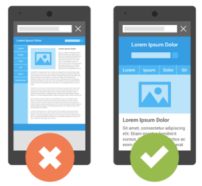

 Last fall, Sonnhalter was recognized by HubSpot as an agency that “gets” positioning and has found its focus. (


 CLEVELAND – April 2015 – Sonnhalter, a marketing communications firm to the professional tradesman in the construction, industrial and MRO markets, became wholly owned by Matt Sonnhalter effective January 2.

 Solution Based – Why does this product exist? What problem does it solve, or how is it best used. Make the solution, not the product the focus. This also gives you a chance to showcase your “total” solution; customer service, technical support, anything else that sets your solution apart from the competition.


 Beyond brand awareness, their primary concern is sales, and to get to sales, they need to generate leads. Ironically, even though they identify sales as the top goal, fewer than half use sales as a measure of content marketing success. One of the challenges is getting everyone on the same page as to who you are and what you want to accomplish. Mixed or multiple messages don’t work.
 These stats that only 38% marketers rate their content to be effective or very effective are disturbing. Especially for all the time and effort that you’re putting into it. Here are some more sobering facts from 2014 regarding more is less:
 CLEVELAND – March 2015 – Sonnhalter, a marketing communications firm to the professional tradesman in the construction, industrial and MRO markets, announced the recent appointment of Chris Ilcin to account superintendent. In this role, Ilcin manages client relationships and B2T marketing plans.


![The ABCs of Landing Pages That Work [Infographic]](https://i0.wp.com/copyblogger.com/cdn-origin/images/650/copyblogger-infographic-abcs-of-landing-pages.png?w=650&ssl=1 "The ABCs of Landing Pages That Work [Infographic]")
 By Judith Crocker, Director of Workforce & Talent Development, MAGNET


 If you haven’t adopted LinkedIn as a means for promoting your company, now is definitely the time to do it. As of this week, LinkedIn has modified the format of company pages and this may prove to be especially beneficial for manufacturing companies. The change LinkedIn unveiled is the removal of the “Products & Services” tab of your company page in order to make way for showcase pages.