by tradespeopleinsights | Dec 9, 2010 | Marketing Tools, Social Marketing
While blogs have been around for over a decade, it hasn’t been until the last few years that traditional media (journalists) have embraced the tool. Companies similarily were slow to adopt, but now blogging has become an important marketing tool for both large and small companies alike.
eMarketer estimates that 34% of US companies will be using blogs in 2010, and they estimate that it will continue to grow to 43% by 2012.

The main reasons companies are starting to blog are:
- Develop thought leadership
- Develop leads
- Brand building
- Full control over content
- Searchable database of information
- Key word searchable
These reasons coupled with the fact that when journalists are looking for sources and info, guess where they go? Search engines, and if you do your homework, they will be calling you instead of the competition.

If your company hasn’t started blogging, maybe this will help you make the move.
If you like this post, please pass it on to a friend.

by tradespeopleinsights | Dec 8, 2010 | Marketing Trends, Social Marketing, Traditional Marketing
It’s that time of year again for our annual spend survey (8 questions). We’ll be happy to share the results with you and compare them to what you said in 2010. You can take the survey here.

by tradespeopleinsights | Dec 7, 2010 | Marketing Tips, Social Marketing
I know it’s hard to believe, but not everyone has bought into the social media scene. Some are just disbelievers (we can’t worry about them), while others are intimidated by it. Well, if you’re one of those people who are apprehensive, or you know someone who is, please pass this post on to them.
I don’t normally do book reviews, but I came across an easy read that will take the stress out of getting started. The name of the book is, “the zen of social media marketing” by Shama Hyder Kabani of the Zen Marketing agency.
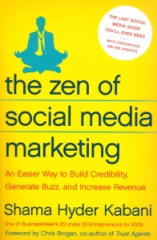 She gives you an overview and basic steps to get set up on Facebook, Twitter and LinkedIn. She helps you understand where social media fits into the bigger picture and how to use these together to maximize your efforts. What’s neat about this is there is an online version of the book that has continous updates which are really helpful. So in essence, the book never goes out of date.
If you’re in marketing, whether it be for a small local company or a large international one, this book will make you look like a hero (only in social media). You can get it on Amazon. I read it in one night and it would make a great gift for someone.
by tradespeopleinsights | Dec 2, 2010 | Traditional Marketing
Most of our clients have trade show schedules and are reluctant to give them up. The costs for most shows are in the tens of thousands per show which doesn’t include your sales people time.
According to the trade show bureau, it takes 3.6 touches to make an average B2B sales from a trade show lead rather than 6.7 touches from other leads.
So are trade show leads better than other leads you pass on to your sales team? I’d like to get your input.
by tradespeopleinsights | Dec 1, 2010 | Marketing Trends, Traditional Marketing
 It seems like these days that everything is moving as fast as a digital download. Information is at your fingertips with smartphones getting more and more popular and with access to everything you could possibly want to know in the palm of your hand.
We see this in the news media as well – stories no longer take weeks or days to break, but are posted within a few minutes so you can know what is happening half way across the world in seconds. It is with this trend of fast information, and the technology of mobile media that fuels it, that marketers are forced to keep up.
More and more people are getting their information from their smartphones and carry them with them at all times, so marketers need to reach their targets where they are absorbing information.
This white paper reviews the current state of affairs and touches on QR codes and Microsoft Tags and highlights best practices.
A free copy for download is available. Click here to sign up.
by tradespeopleinsights | Nov 30, 2010 | Marketing Tools, Social Marketing, Traditional Marketing
One of our strategic partners, Ultimate Leads, has come up with an intriguing service to help you identify who’s coming to your site by company. Russ Hill, the company president, explains how it works and has given our readers a free trial.
 More than 95% of visitors to B2B websites leave sites without requesting additional information according to recent research. Visitors may click links to “Find a Distributor” or download a document without you knowing who they are. And if they arrived at your site via a “pay-per-click” banner ad, wouldn’t you like to know who they are?
Now you can! LEADADVANTAGE is a program that helps you identify companies that visit your website, their interest (pages viewed), and key contacts at that company and more. Great stuff for the B2B marketer interested in generating new leads and targeting new prospects. Visitors finding their way to B2B websites usually get there because they were seeking out information on particular products or services. (Do business people have the time to visit websites about things like lift trucks, hydraulic fittings, or industrial electronics for fun?)
Who’s Looking at YOU?
Simple reverse IP address look-up technology has been around for a while. Website traffic counts, page views, cost-per-click and return visitor numbers are standard fare in Google Analytics, WebTrends and other sites. These counts are little more than the old method of counting raw “Bingo” card inquiries and trade show booth visitors by previous advertising generations. B2B marketers need more. LEADADVANTAGE pulls detailed company and contact information from sources like LinkedIn and Jigsaw. For B2B marketers, it’s not enough to just know how many are visiting your website, but who!
Identifying and capturing website visitors is an excellent way to develop “soft leads” of prospects and new sales opportunities. It’s also a good way to learn which of your existing customers are visiting your website in search of information. Remember, these are companies that sought you out. Don’t let these opportunities elude capture.
To learn more about how to gain the LEAD ADVANTAGE, call 800-323-0550 for a no obligation 10-Day Free Trial.



